
ILF De

Mind Matters
Neurofeedback Blog

Insights, Studies, Interviews, and News

Période

Order

Sujets

men sprinting

Infra-Low Frequency Neurofeedback and Peak Performance: A Neurophysiological Approach to Stability, Regulation and Human Potential

Peak performance across domains - including elite sport and high-level executive functioning - depends not only on skill acquisition and psychological training, but fundamentally on the integrity and adaptability of underlying neurophysiological systems. Infra-Low Frequency (ILF) neurofeedback represents an emerging intervention targeting self-regulatory capacity at the level of brain network dynamics. This article explores the application of ILF neurofeedback in performance populations, integrating perspectives from neuropsychology, performance psychology, and sports medicine. Clinical observations suggest that ILF training supports improvements in attentional control, sensorimotor integration, emotional regulation, and recovery processes, thereby enhancing both performance output and resilience under pressure.
En savoir plus
Neurofeedback session

Health and Wellbeing at Work - Integrating Neurofeedback for Resilience and Performance

In today’s fast-paced corporate environment, the psychological well-being of employees has become a critical factor for organizational success. As burnout rates rise and the boundaries between work and private life blur, innovative neurological interventions like Neurofeedback are gaining more interest as powerful tools for both prevention and optimization.

En savoir plus
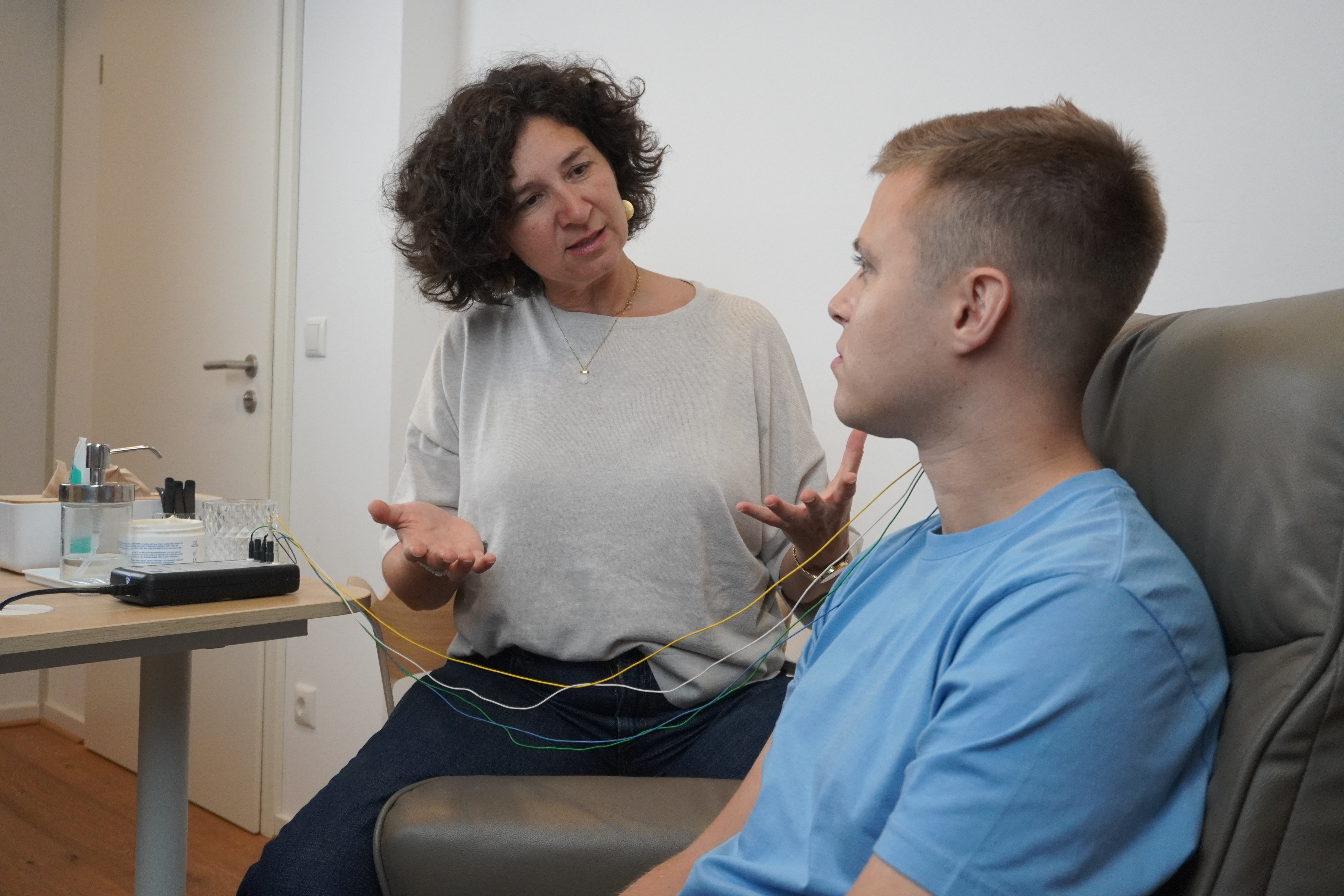
Neurofeedback setting

New NeuroImage Study Provides a Mechanistic Foundation for ILF Neurofeedback

Neurofeedback has been used in clinical practice for many years. At the same time, there is ongoing discussion about the neurophysiological mechanisms through which different neurofeedback approaches exert their effects. In the case of Infra-Low Frequency (ILF) neurofeedback in particular, imaging studies demonstrating objective changes in the brain beyond subjective reports have so far been limited.
A study published in December 2025 in the scientific journal NeuroImage addresses this gap. The aim of the work was not to evaluate the clinical efficacy of neurofeedback, but to investigate the neurophysiological effects of the signal components of an established ILF neurofeedback protocol from a mechanistic perspective.

En savoir plus
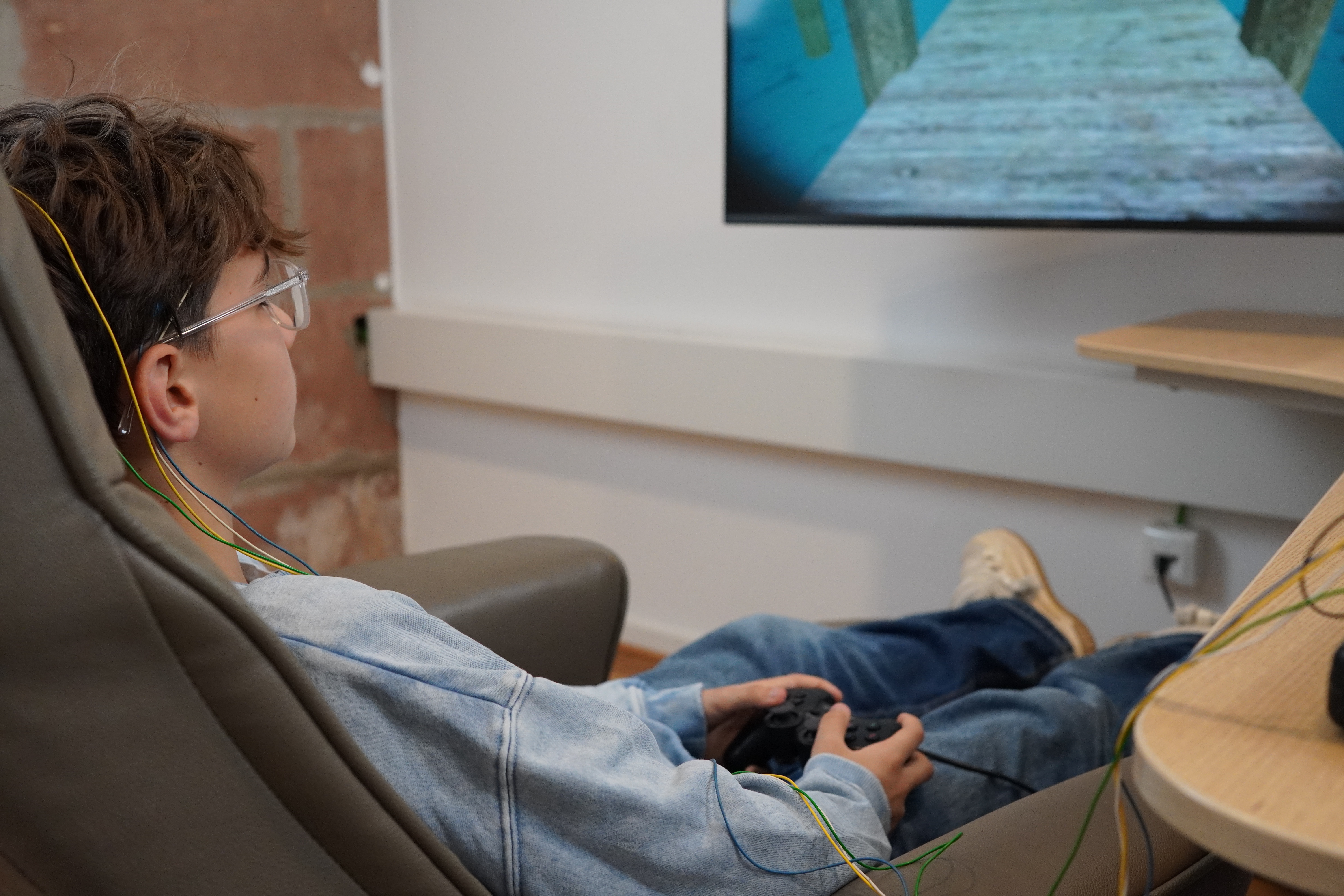
Boy getting neurofeedback

“STUDY UPDATE” – HERE YOU WILL FIND A SELECTION OF CURRENT NEUROFEEDBACK STUDIES

En savoir plus
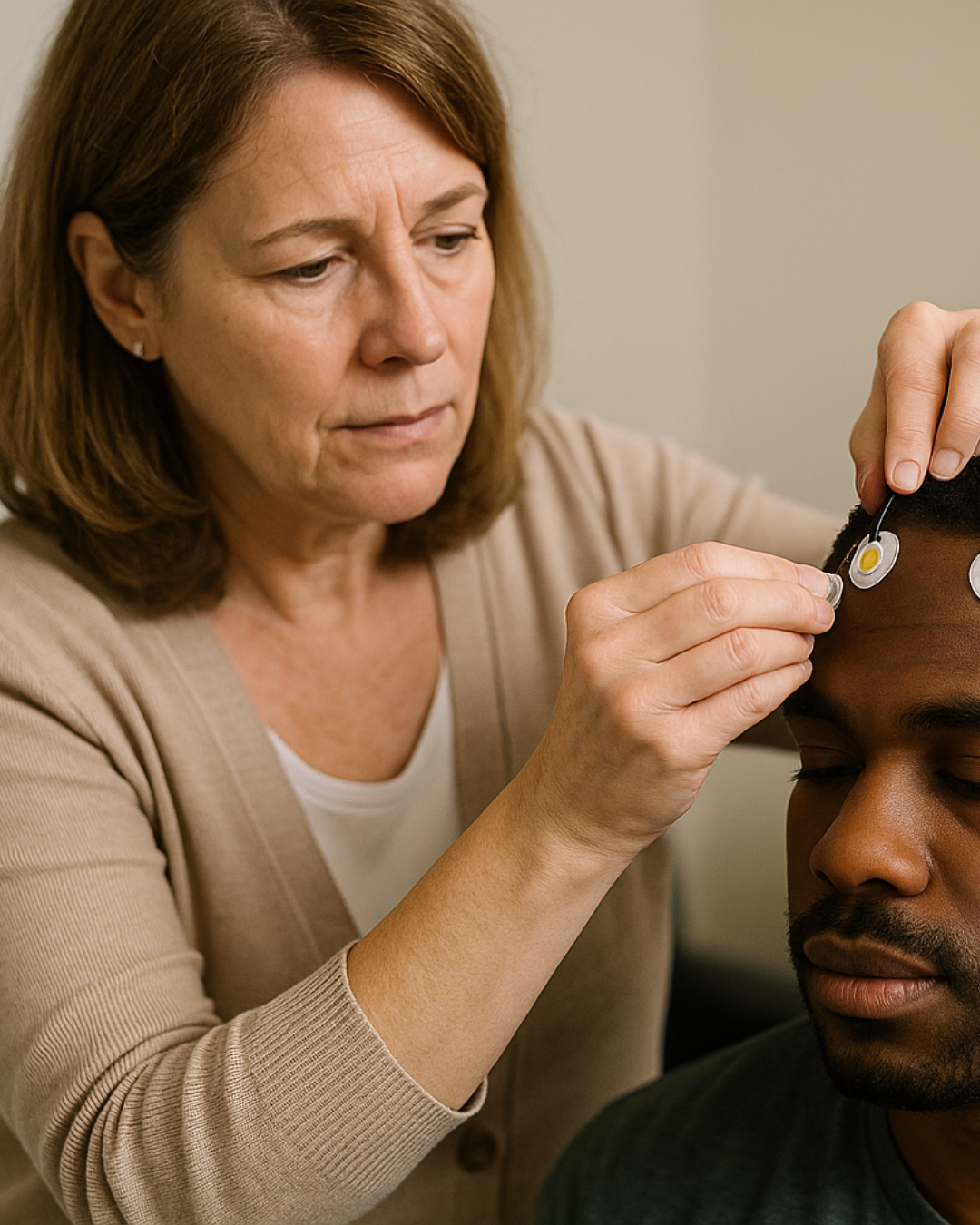
woman applying electrodes to a man

The effectiveness of ILF Neurofeedback across different diagnostic groups - results from a new study

A recently published study by Theis et al. (2025) examines the effectiveness of ILF Neurofeedback across different diagnostic groups and explores whether subjective symptom changes correlate with objective performance measures.

En savoir plus
person writing someting

Neurofeedback à basse fréquence pour le traitement des symptômes post-commotionnels : Résultats d'une nouvelle étude

Les commotions cérébrales, également appelées lésions cérébrales traumatiques légères (LCT), sont souvent considérées comme des lésions temporaires. Cependant, de nombreuses victimes, en particulier les vétérans, souffrent de maux de tête chroniques, de troubles du sommeil et de déficiences cognitives pendant des années après l'événement initial. Malgré les approches thérapeutiques existantes, le traitement de ces symptômes reste un défi.

En savoir plus
open book

Neurofeedback clinique ILF avec des enfants et des adolescents - Partie 2

La deuxième partie de l'article « Clinical ILF neurofeedback with children and adolescents » a été publiée dans le numéro actuel (1/2025) du forum für Kinder- und Jugendpsychiatrie, Psychosomatik und Psychotherapie (forum pour la psychiatrie de l'enfant et de l'adolescent, la psychosomatique et la psychothérapie) du bkjpp (Association professionnelle pour la psychiatrie de l'enfant et de l'adolescent, la psychosomatique et la psychothérapie en Allemagne e.V.).

En savoir plus
open book

Clinical ILF neurofeedback with children and adolescents - Part 1

The first part of the article ‘Clinical ILF neurofeedback with children and adolescents’ has been published in the current issue of the 'forum für Kinder- und Jugendpsychiatrie, Psychosomatik und Psychotherapie' of the bkjpp (Professional Association for Child and Adolescent Psychiatry, Psychosomatics and Psychotherapy in Germany e.V.) (issue 4/2024).

Our experienced lecturers Gernot Wührer and Stephan Kolbe, both qualified psychologists, provide exciting insights into the scientific principles of neurofeedback, with a particular focus on infra-low frequency (ILF) neurofeedback.

En savoir plus
Image Apple on books

Study shows: Neurofeedback has a positive effect on the treatment of an eating disorder

The study addresses the question of whether infra-low frequency (ILF) neurofeedback has positive effects on adults suffering from an eating disorder. To find out, the participants in the study were divided into two groups, with one group receiving ILF neurofeedback and the other group receiving only a placebo. The study “Infra-Low Frequency Neurofeedback in the Treatment of Patients With Chronic Eating Disorder and Comorbid Post-Traumatic Stress Disorder” by Winkler et al. shows that the positive effect of neurofeedback treatment is already measurable after 12 sessions.

En savoir plus
Older men - Parkinson

The use of ILF neurofeedback in Parkinson's disease - background and case studies

In the study - Managing intractable symptoms of Parkinson's Disease: A nonsurgical approach employing infralow frequency neuromodulation - the authors argue why ILF neurofeedback can have positive effects on the symptoms of Parkinson's disease. Three case studies are also discussed.

En savoir plus