Mind Matters
Neurofeedback Blog
Insights, Studies, Interviews, and News
Customer story: Anjali Singh-Mitter
06. août 2026Meet psychotherapist Anjali Singh-Mitter in London, UK!
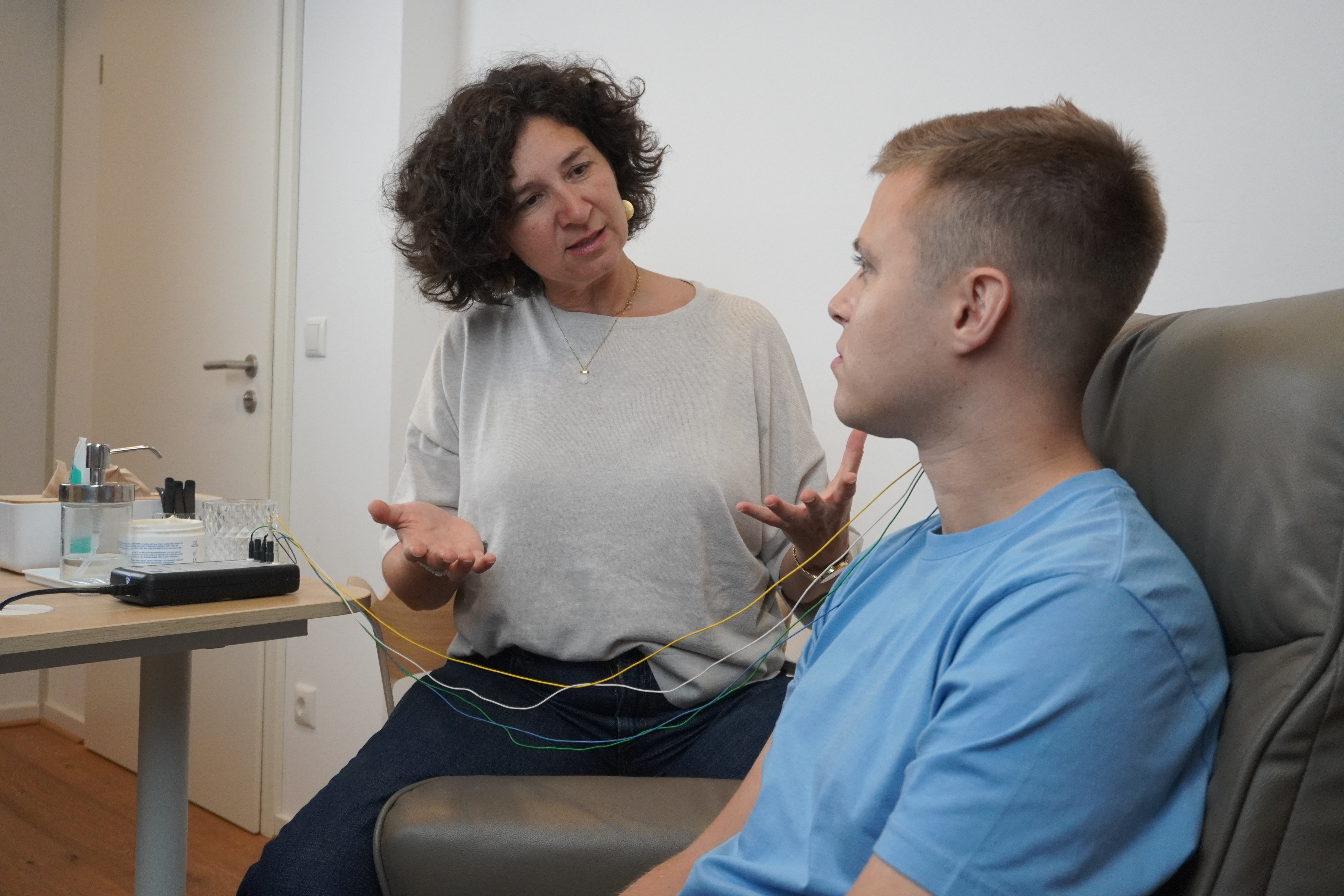
Anjali Singh-Mitter is a psychotherapist running her own private clinic in London, where she supports clients in creating lasting emotional and physiological change. Neurofeedback has become the cornerstone of her therapeutic approach, complementing psychotherapy with a powerful tool for improving self-regulation and overall well-being.
Customer Stories: Utah Neurofeedback Consortium
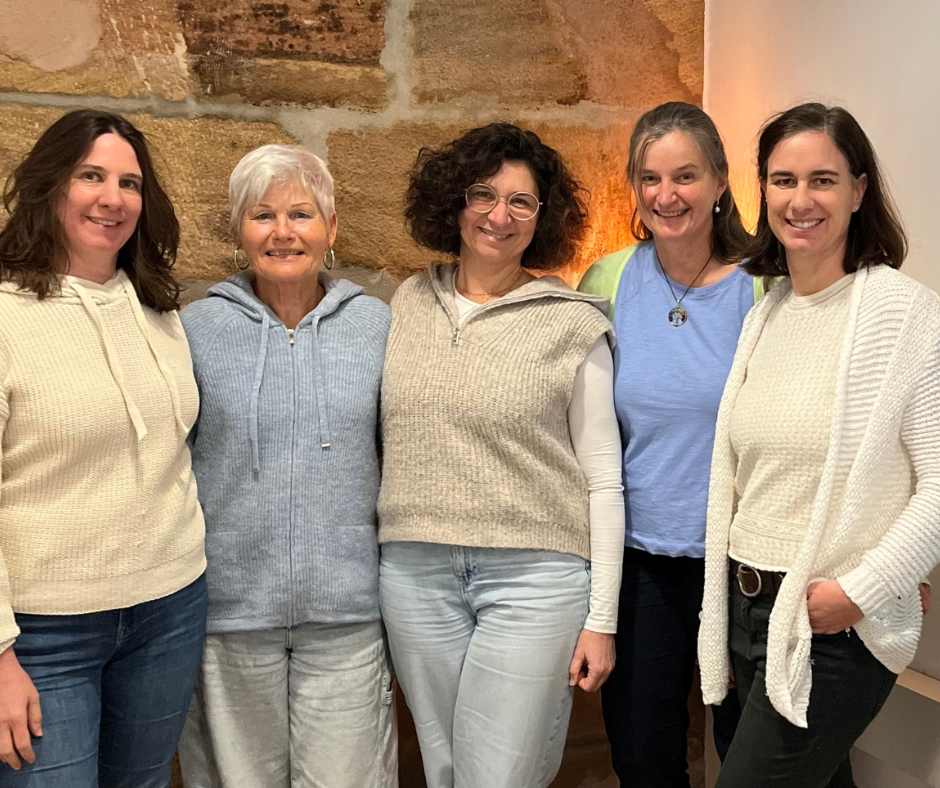
09. juin 2026Meet the Utah Neurofeedback Consortium in Murray, UT!
One of the greatest strengths of the neurofeedback community is its willingness to learn, share, and grow together. While neurofeedback has been used clinically for decades, practitioners continue to deepen their understanding of the brain through hands-on experience, research, and collaboration. Ongoing education and peer support play an essential role in helping clinicians provide the best possible care for their clients.
The Utah Neurofeedback Consortium was created with that intention, offering a structured space for clinicians to stay connected, share clinical experiences, and continue learning from one another. As Carrie Scott of Utah NeuroWellness and Healing Pathways Therapy Center shares, “Neurofeedback is always evolving, and there is tremendous value in hearing what others are seeing in their practices.”
Detectable changes in the brain after ILF neurofeedback: There is now imaging evidence for changes in brain connectivity.
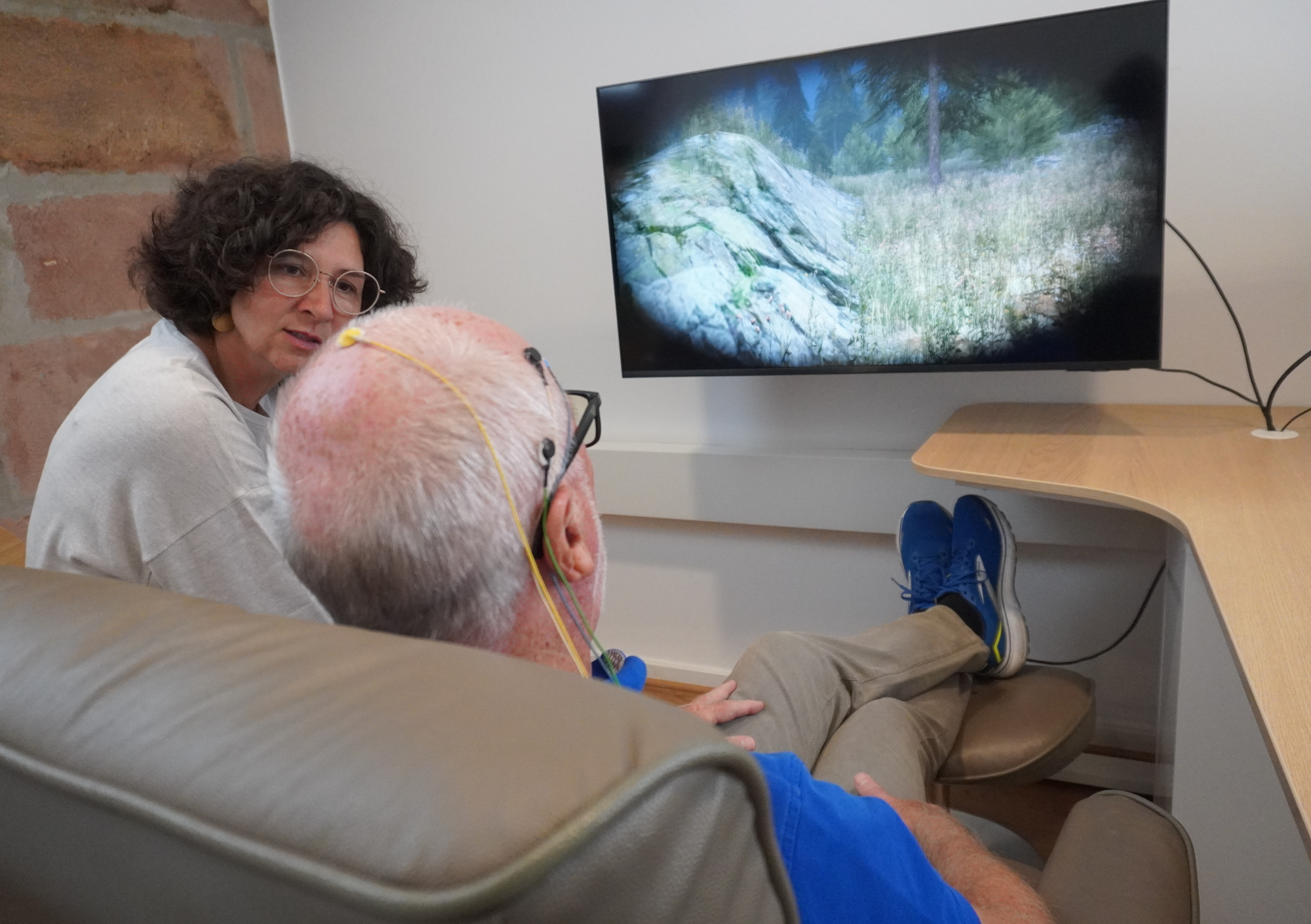
20. avril 2026In neurological rehabilitation, neurofeedback is increasingly being used. This refers to methods in which the electrical activity of the brain is measured via electrodes on the surface of the scalp and analyzed using an electroencephalogram (EEG). Numerous clinical studies already exist on the effectiveness of neurofeedback-based methods, including ILF neurofeedback. What has largely been missing so far, however, are imaging data showing whether and how different components of an established ILF neurofeedback protocol are reflected in the brain. A study published in December 2025 in the journal NeuroImage addresses exactly this question.
Customer Stories: Marcin Grabowski Neuro-Bio-Practice in the Rhein-Land District
17. avril 2026The Neuro-Bio-Practice was founded in November 2025 in the Rhein-Lahn District by Marcin Grabowski. His clear vision: to combine traditional occupational therapy expertise with modern neurotechnological methods. The focus is on therapy that is individually tailored to clients’ needs and oriented toward their real-life situations.
The practice treats a wide range of neurological, psychological, and psychosomatic conditions. These include, among others, attention and regulation issues such as ADHD, stress-related complaints, anxiety disorders, depressive symptoms, as well as chronic pain or sleep problems. People experiencing exhaustion or cognitive impairments—such as those related to Long COVID—will also find suitable therapeutic options here.
Infra-Low Frequency Neurofeedback and Peak Performance: A Neurophysiological Approach to Stability, Regulation and Human Potential
07. avril 2026Peak performance across domains - including elite sport and high-level executive functioning - depends not only on skill acquisition and psychological training, but fundamentally on the integrity and adaptability of underlying neurophysiological systems. Infra-Low Frequency (ILF) neurofeedback represents an emerging intervention targeting self-regulatory capacity at the level of brain network dynamics. This article explores the application of ILF neurofeedback in performance populations, integrating perspectives from neuropsychology, performance psychology, and sports medicine. Clinical observations suggest that ILF training supports improvements in attentional control, sensorimotor integration, emotional regulation, and recovery processes, thereby enhancing both performance output and resilience under pressure.
Customer Stories: Cami Schermerhorn and Rally Neurofeedback & Coaching
10. mars 2026Meet Cami Schermerhorn, M. Psy, in Corvallis, Oregon!
Cami brings a uniquely multifaceted background to her work. Before entering the mental health field, she competed as a professional tennis player on the Women’s Tennis Association Tour, spending eight years ranked in the top 100 worldwide and competing at the highest levels of the French Open, Wimbledon, the U.S. Open, and the Australian Open. Following her athletic career, she pursued academic training in psychology, graduating Summa Cum Laude from UCLA, earning a Fulbright Scholarship, and completing a Master’s degree in Psychology in Germany. She later spent more than a decade working as an outpatient therapist in a nonprofit mental health agency, primarily supporting children and families with complex challenges.
Health and Wellbeing at Work - Integrating Neurofeedback for Resilience and Performance
16. février 2026In today’s fast-paced corporate environment, the psychological well-being of employees has become a critical factor for organizational success. As burnout rates rise and the boundaries between work and private life blur, innovative neurological interventions like Neurofeedback are gaining more interest as powerful tools for both prevention and optimization.
Customer Stories: Evelyn Gollwitzer's occupational therapy and neurofeedback practice
11. février 2026Discover Evelyn Gollwitzer's occupational therapy and neurofeedback practice in Erlangen!
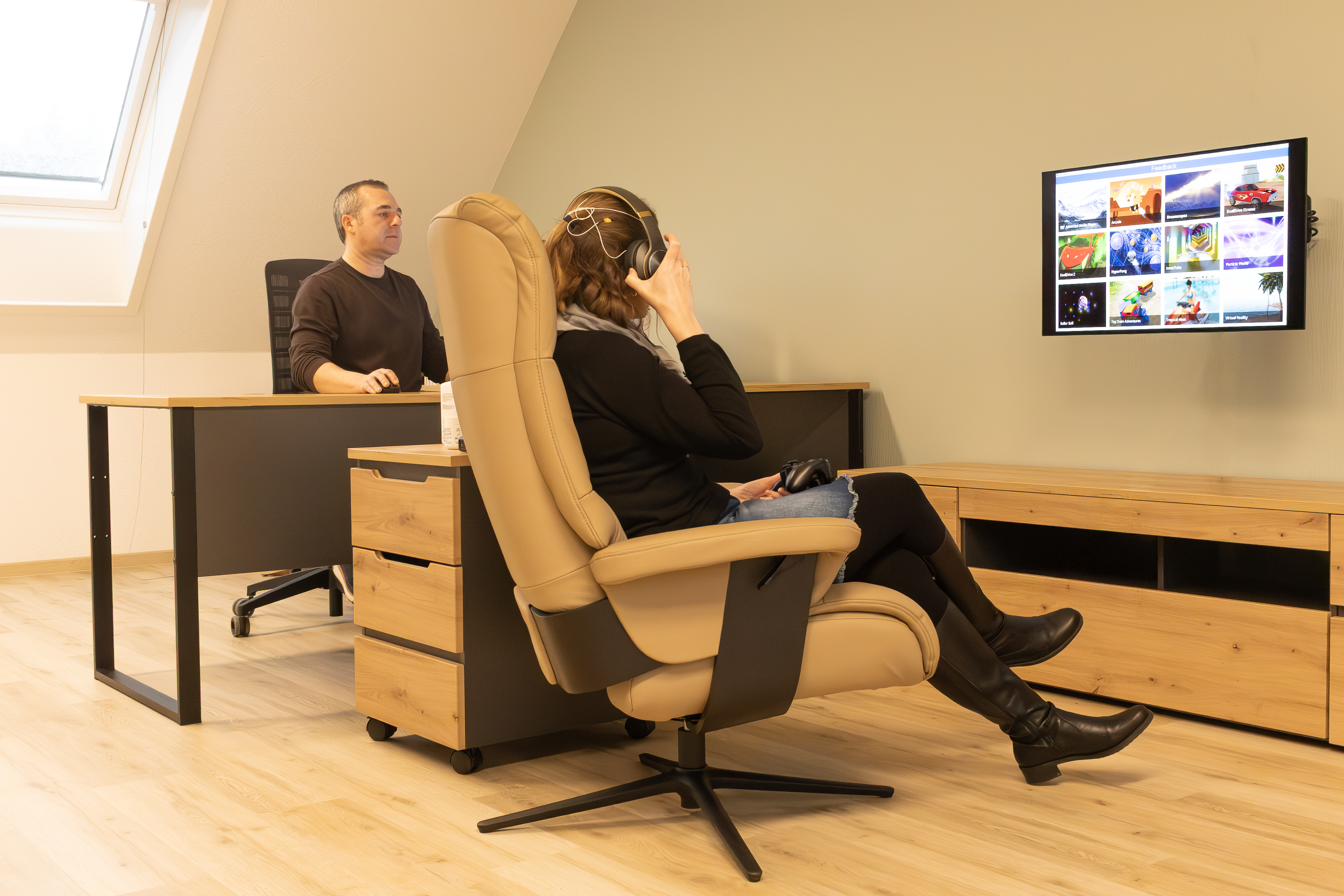
Evelyn Gollwitzer's occupational therapy and neurofeedback practice in Erlangen offers a wide range of therapies for children and adults. Since 2019, the occupational therapist has been working independently, drawing on her many years of experience, empathy, and a clear goal: to improve her clients' quality of life in the long term.
On the Death of Matt Fleischman, Founder of the Neurofeedback Advocacy Project
09. février 2026It is with great sadness that we learned of the death of Matt Fleischman, founder of the Neurofeedback Advocacy Project (NAP).
Matt was not only the initiator of the Neurofeedback Advocacy Project, which he shaped with great clarity, perseverance, and personal conviction. He was also an extraordinary person. His death leaves a void that is deeply felt by us, not only professionally, but above all on a personal level.