The Power of Strength in Numbers: How a Neurofeedback Community Is Helping the Field Grow
When people think about growing a healthcare practice, competition may seem like an inevitable concern. But in an emerging field like neurofeedback, having multiple clinicians in the same community can have the opposite effect. It can increase awareness, normalize the approach, and ultimately help more people discover neurofeedback.
Eugene, Oregon, is a great example of the power of strength in numbers. The area has developed a growing community of BEE Medic clinicians, creating a place where neurofeedback is becoming more recognized, understood, and accessible.
According to Christy Johnson, M.A., QMHP, Outpatient and Neurofeedback Supervisor at Riverview Center for Growth and a Senior Trainer with the Neurofeedback Advocacy Project (NAP), much of that growth has happened through word of mouth.
“A lot of the growth in Eugene is from clients talking to other people that might be involved with other agencies. When you have someone that has positive results and they're talking about it, the word travels quickly.”
Those conversations have helped create a community where neurofeedback is increasingly familiar to local residents, while the growing number of clinicians gives people more opportunities to find care that fits their needs.

From Unfamiliar to Accessible
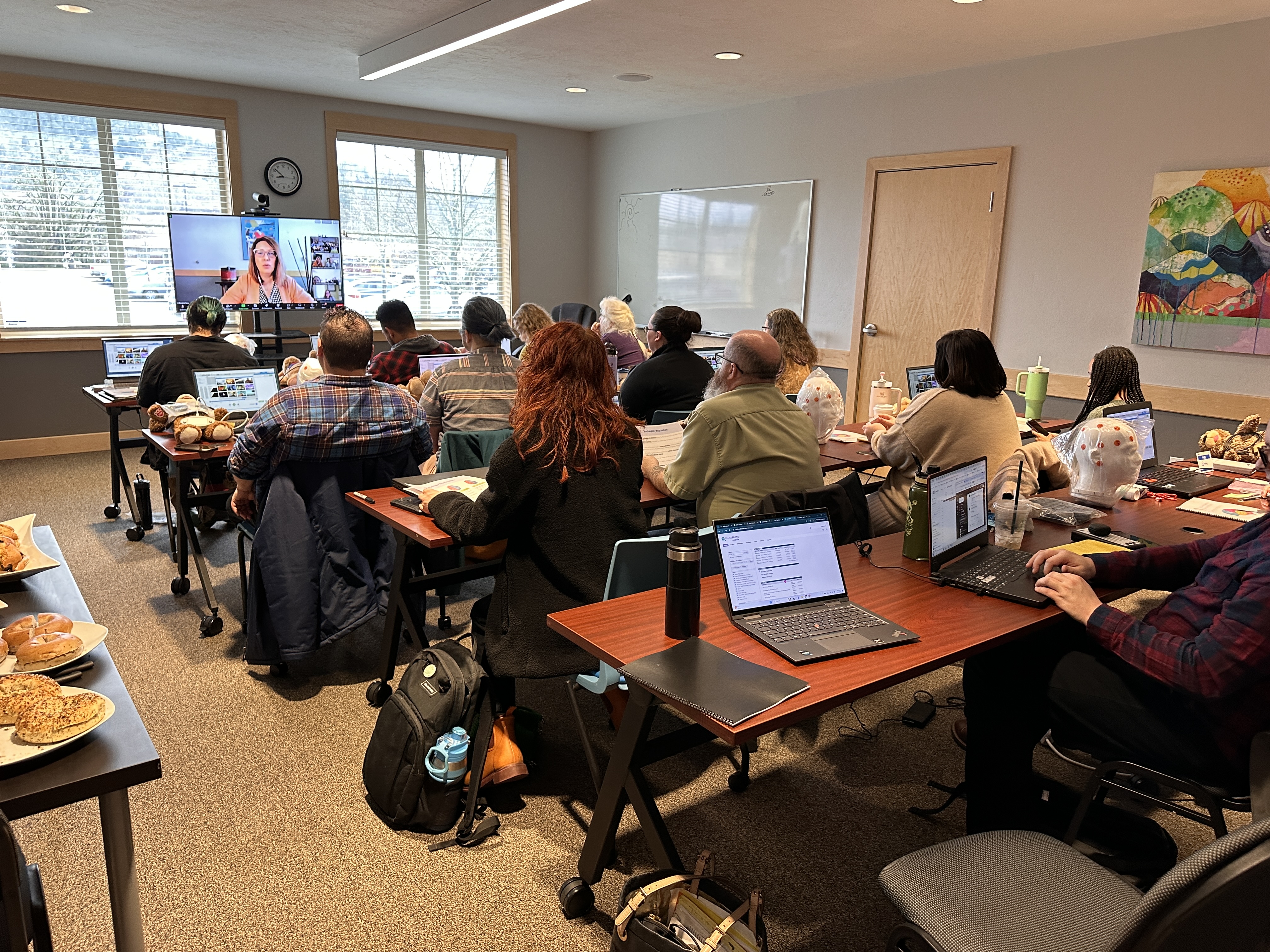
When neurofeedback first began taking hold in Eugene, it was not widely available through local agencies. Early clinicians and organizations, including the Neurofeedback Advocacy Project (NAP), helped expand access by introducing ILF Neurofeedback to community based programs and demonstrating how it could become a practical part of their services.
Early interest also came from people looking for options beyond medication. Andrea Hopkins, Therapist, Outpatient Manager, and Neurofeedback Supervisor at South Lane Mental Health, remembers parents who were hesitant to medicate their children, as well as teachers and other community members looking for different ways to support the people they served. Those conversations created another pathway for people to discover neurofeedback and helped build interest within the broader community.
One of the biggest changes was a shift in perception. As local organizations saw neurofeedback being used successfully in their community, it became easier to imagine offering it themselves. Johnson described this shift:
“What seemed something that was unattainable suddenly became attainable.”
As interest grew, clinicians shared their experiences and helped other organizations see how neurofeedback could fit within their own programs. Johnson recalls inviting interested organizations to visit her practice, see how a program worked firsthand, and learn from their experience.
Those early efforts helped lay the groundwork for a broader network of clinicians and organizations offering neurofeedback throughout the Eugene area.
More Clinicians Means More Awareness
A growing number of providers might seem like it would create more competition for clients. In Eugene, however, clinicians often see the diversity of providers as an advantage.
Different practices have different areas of expertise, allowing clinicians to refer clients to the provider or organization that may be best equipped to meet their needs. One organization may have expertise in substance use or gambling addiction, while another may have a particular focus on working with youth.
Having multiple providers means clients can find neurofeedback alongside the clinical services that best fit their individual needs.
Andrea has seen this demand continue to grow throughout her years in Eugene. With many providers maintaining full schedules or waitlists, she believes there is room for more clinicians to serve the community.
“There needs to be more people doing it.”
That need is also about access. Andrea points to South Lane Mental Health’s ability to serve people with Medicaid and Oregon Health Plan coverage as an important step in making neurofeedback available to a broader population. For people who could not afford private-pay sessions, this created an opportunity to access neurofeedback that might otherwise have been out of reach.
Expanding access in this way also helped demonstrate how neurofeedback could become part of community-based mental health care, reaching people who may not have had the option to seek it privately.
Brandon Marshall, MS, LPC, MFT, of NW Therapy Collective, came to neurofeedback through a different training path, completing his training with EEG Info. He has also seen the value of a growing neurofeedback community in Eugene.
“Multiple providers make neurofeedback more visible and credible, expand appointment availability, and allow clients to find a practitioner whose clinical orientation and interpersonal style fit their needs.”
That visibility can help neurofeedback become a more familiar part of the local healthcare landscape, giving more people the opportunity to learn about it.
When Awareness Grows, Everyone Benefits
Perhaps the most powerful aspect of Eugene's neurofeedback community is the way awareness continues to spread.
A client has a positive experience and tells a family member. A parent talks with another parent in a waiting room. A teacher or healthcare professional sees a change in a client. An organization learns that neurofeedback is something it can offer. Each interaction creates another opportunity for someone to discover the approach.
Andrea has seen this ripple effect develop over time, with referrals moving from one person to another and eventually reaching entire networks of families, teachers, and healthcare professionals.
“There's something about those connections that really helped it grow.”
That kind of connection can create a cycle of growing awareness. As more people encounter neurofeedback, more people become curious about it, and more organizations and clinicians have opportunities to make it available.
Building Communities That Move Neurofeedback Forward
While greater visibility can help more people discover neurofeedback, Marshall emphasizes that growth should be accompanied by responsible education.
“I would recommend emphasizing education rather than promotion: explain what neurofeedback is, what the evidence does and does not establish, how progress is monitored, and how it complements psychotherapy and medical care.”
He also points to clinician education, referral relationships, accessible consultations, and outcome tracking as important ways communities can build awareness responsibly.
Andrea sees collaboration as another important part of building a strong neurofeedback community. With clinicians bringing different experiences and perspectives to the field, sharing knowledge can benefit both clinicians and the people they serve.
“I don't care about being right. I care about helping people.”
For Andrea, collaboration is not about proving that one approach is the right one. It is about being open to different perspectives and finding what is most helpful for the client. She believes that when clinicians problem-solve together, they bring more ideas, approaches, and possibilities to the table.
The goal is to grow the field, expand access, and build a community that people can trust.
What Eugene Can Teach Us
Eugene's experience demonstrates that growing a field does not necessarily mean fighting for a larger share of an existing market. Sometimes, the most effective way to grow is to build the market together.
When more clinicians learn about neurofeedback, more organizations are able to offer it. When more organizations offer it, more people encounter it. When more people have positive experiences, they talk about it. And when those conversations happen across a community, awareness continues to grow.
What began as an effort to make neurofeedback available to more people in Eugene has grown into a community of clinicians, organizations, and clients helping one another discover what is possible.
That may be the real power of strength in numbers. When clinicians and organizations work together to grow awareness, everyone has the opportunity to reach more people, and more people have the opportunity to benefit.