Neurofeedback
Definition, Benefits & Process
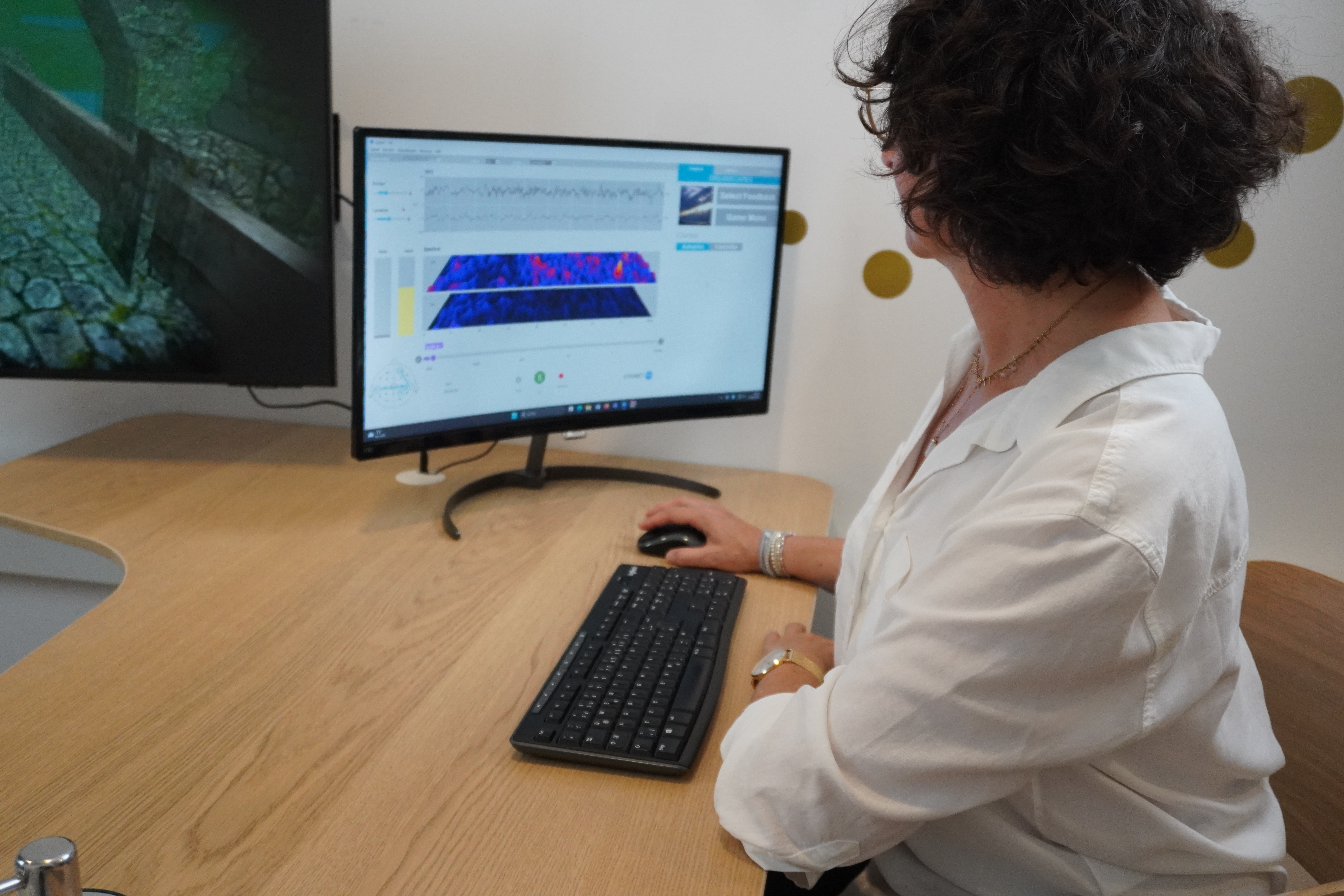
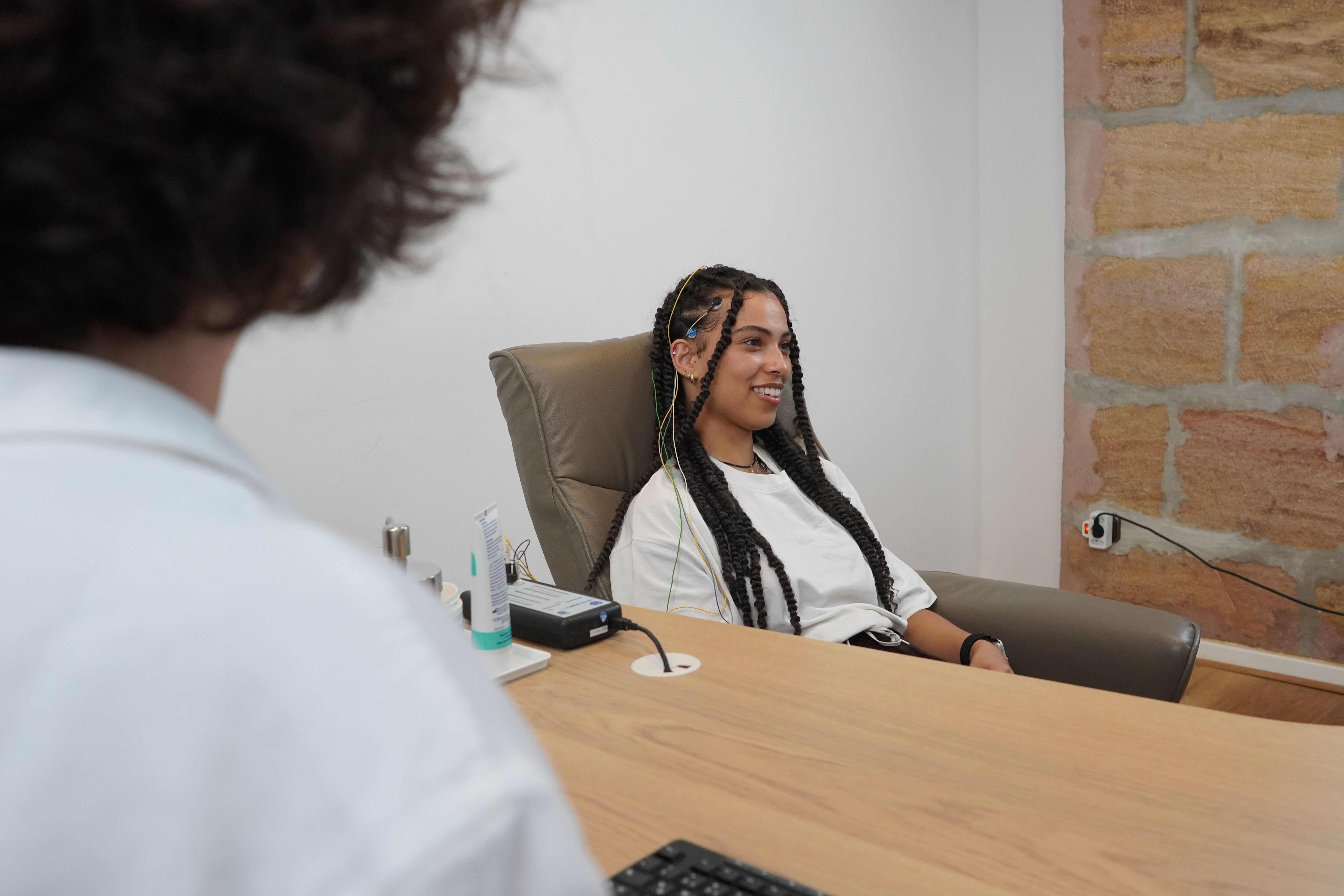
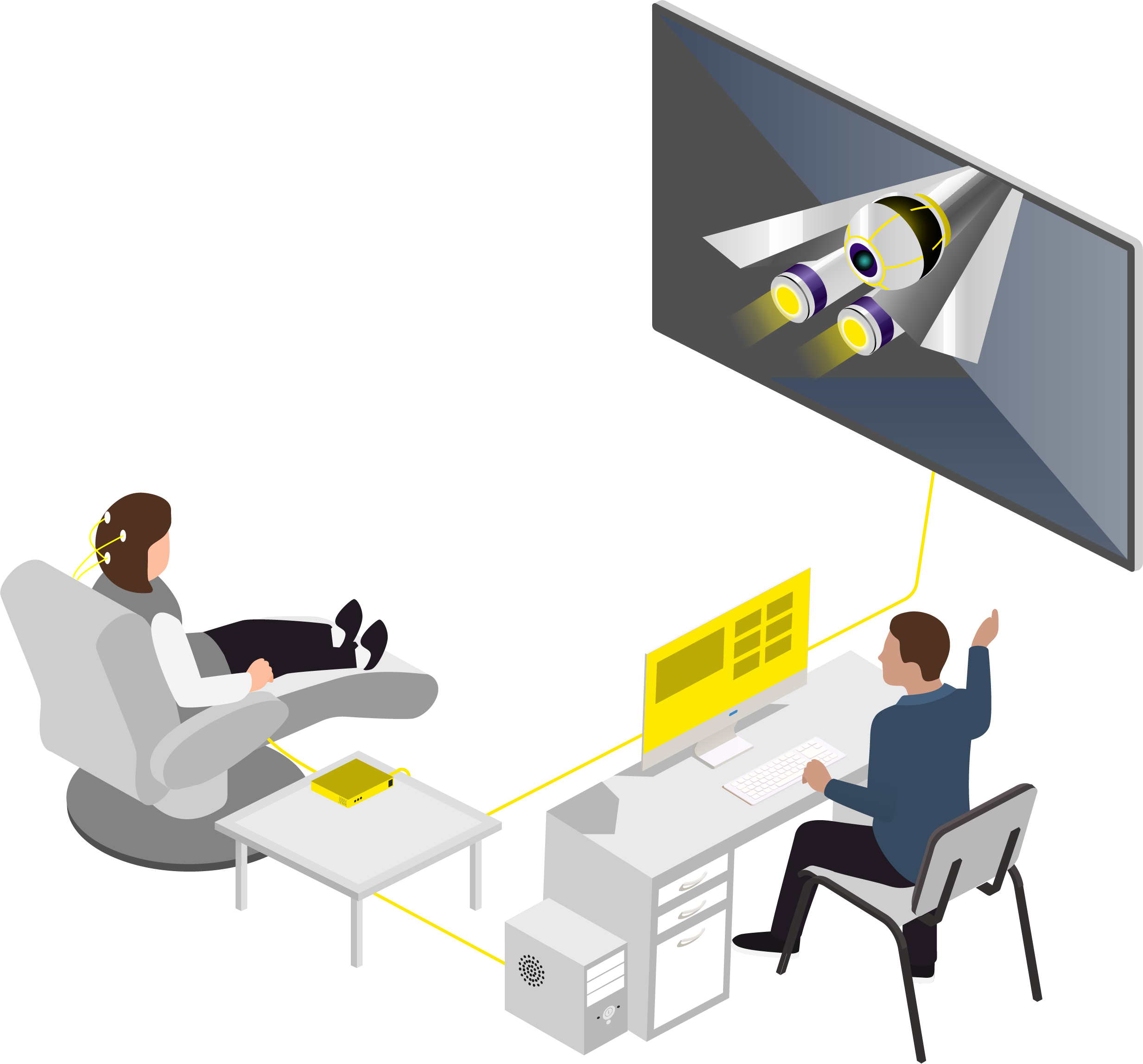
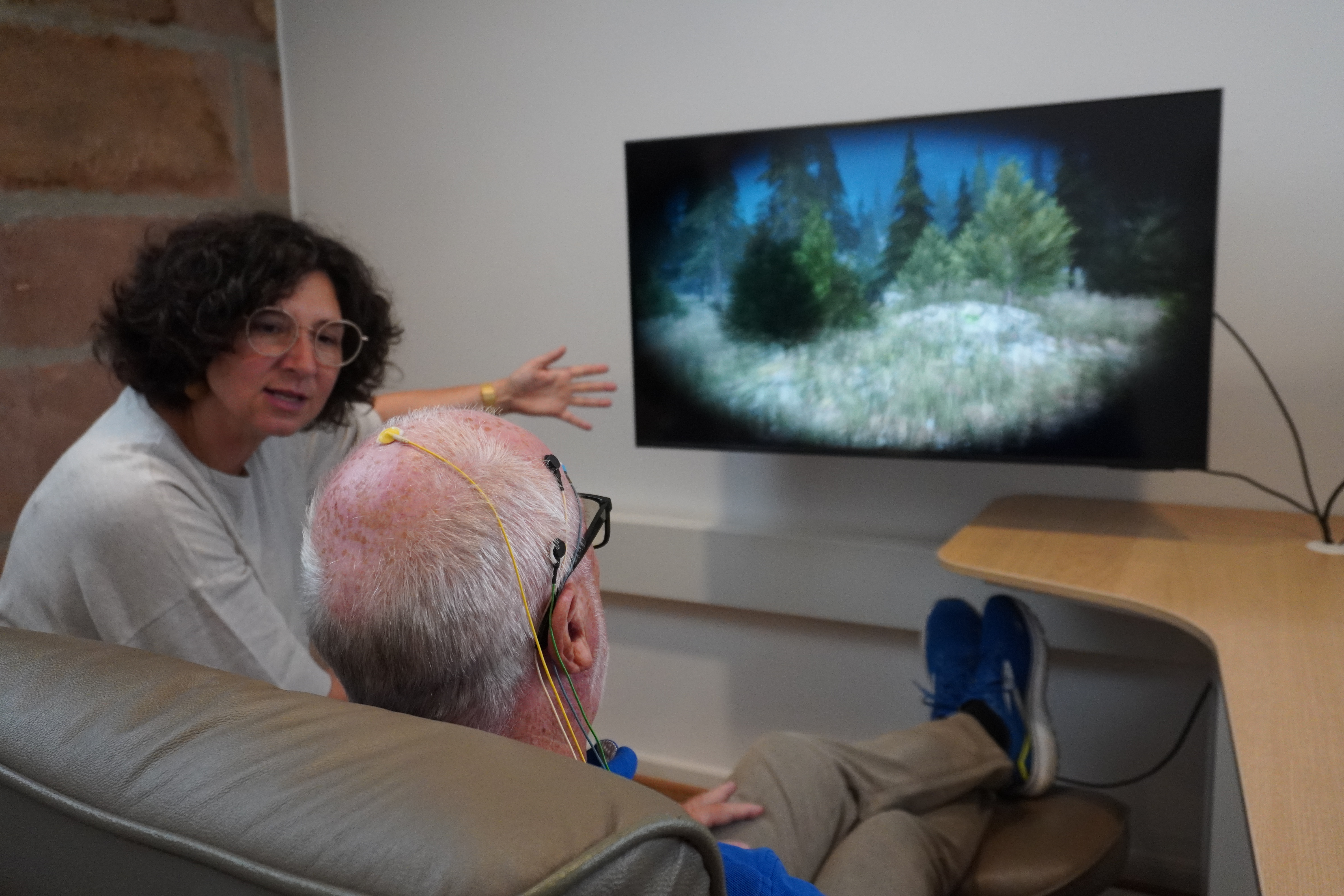
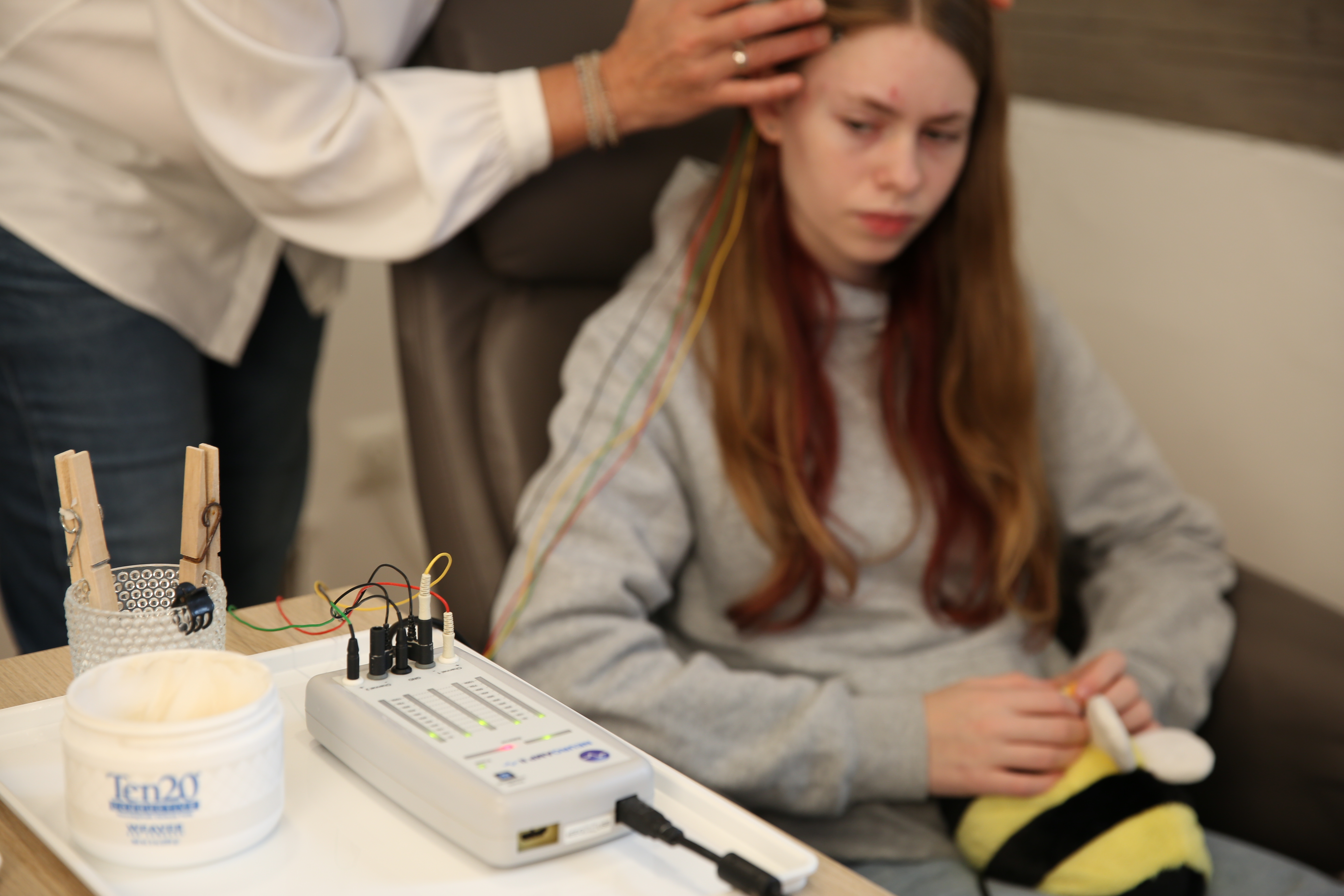
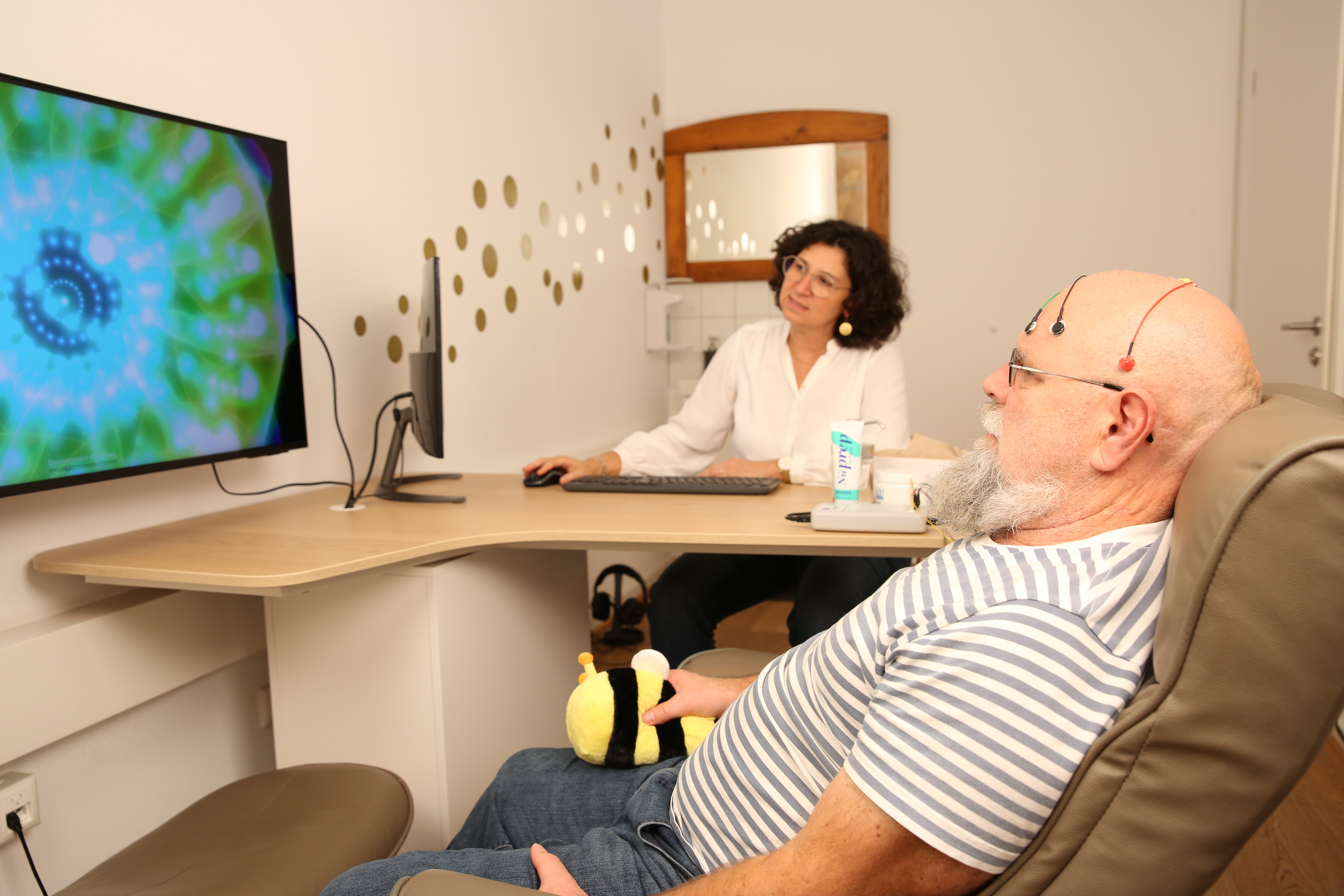
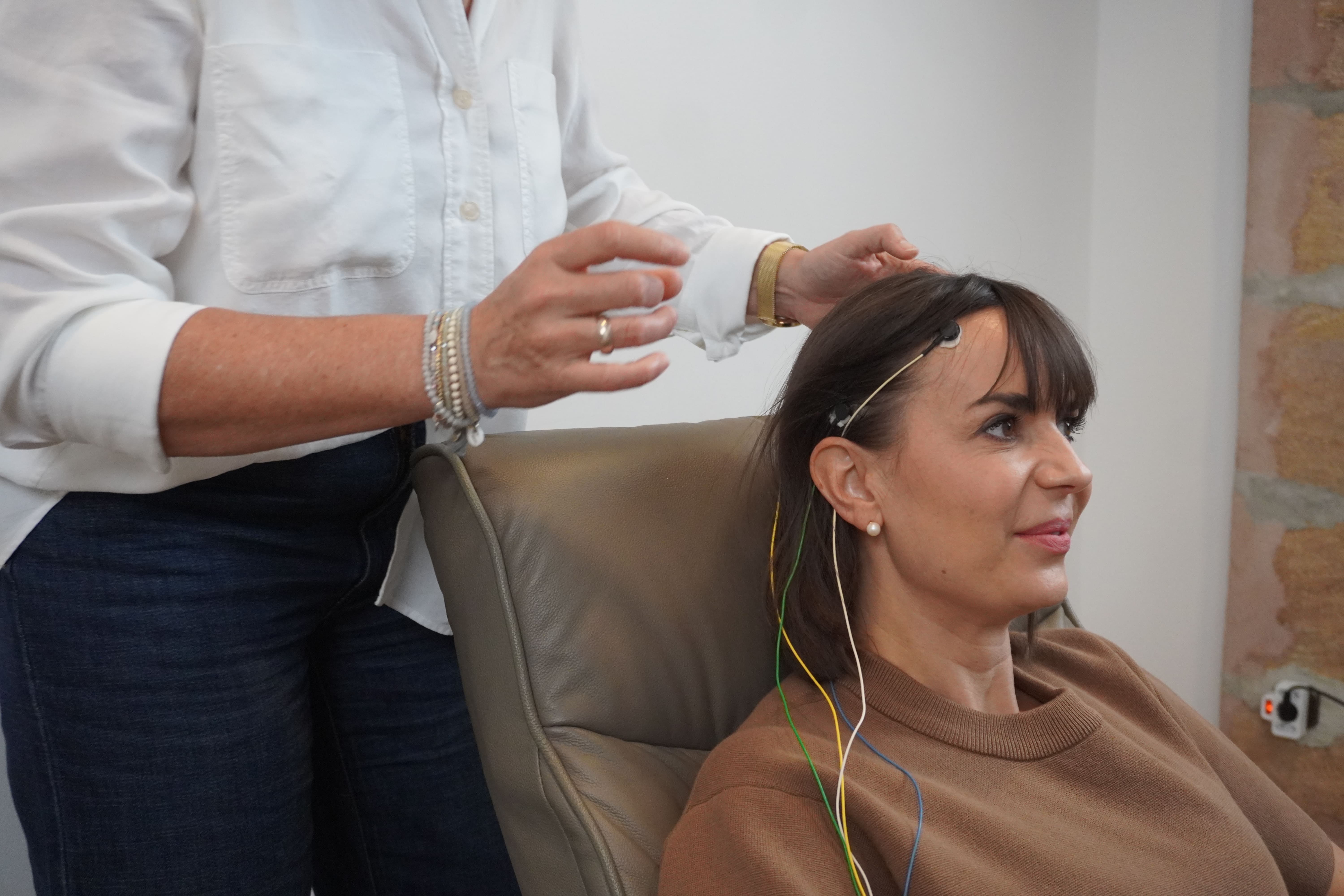
During neurofeedback, electrodes are attached to the scalp to record EEG signals. These signals are processed and result in changes to the image and sound of an animation, film or game. Feedback can also be provided via a tactile feedback device.
The feedback continuously adapts to the measured brain activity. Depending on the signal, this may change:
- The speed at which elements of an animation move
- The brightness of the image
- The volume of sounds
- The intensity of vibration from a tactile feedback device
The electrodes are used exclusively for measurement. No electrical current is passed into the brain.
ILF Neurofeedback vs Frequency Band Training
What is ILF Neurofeedback
BEE Medic specialises in Infra-Low-Frequency neurofeedback, or ILF neurofeedback for short. ILF neurofeedback has evolved from traditional frequency-band neurofeedback and incorporates both frequency-band components and very slow EEG activity (infra-low frequencies below 0.01 Hz) into the feedback. These very slow frequencies do not influence momentary arousal, but rather the brain's underlying excitability.
ILF neurofeedback focuses on the central nervous system's capacity for self-regulation. The training parameters are individually tailored to the person being treated. For example, electrode placements may vary, as well as the order and duration of training in specific brain regions and the individual training frequency. These parameters are determined by the person's symptoms and their responses during training and in the days that follow. You can learn how ILF neurofeedback is individually tailored to the person being treated in our five-day basic course.
What makes ILF neurofeedback special is that it works on a subconscious level and requires no active effort. The person undergoing treatment does not need to consciously try to change their own state or deliberately control the feedback.
A study published in 2026 in NeuroImage by de Matos et al., involving 135 healthy participants, demonstrated statistically significant changes in the functional connectivity of brain networks after just one session using the complete ILF neurofeedback protocol.
What is frequency-band neurofeedback?
Frequency-band neurofeedback, also known as classical neurofeedback, involves training specific frequency ranges of EEG activity. Activity in different frequency ranges or bands is associated with different states of activation and arousal in the brain.
For example, if the brain predominantly produces so-called SMR waves in the frequency range of 12 to 15 Hz, the person is physically relaxed while remaining focused and alert. Through operant conditioning, the brain is encouraged to produce more of these waves, thereby altering the person's state of arousal. Depending on the training objective, activity within selected frequency bands is fed back and specifically targeted for training.
BEE Medic's systems support both frequency-band and ILF neurofeedback.
What is ILF Neurofeedback
What is frequency-band neurofeedback?
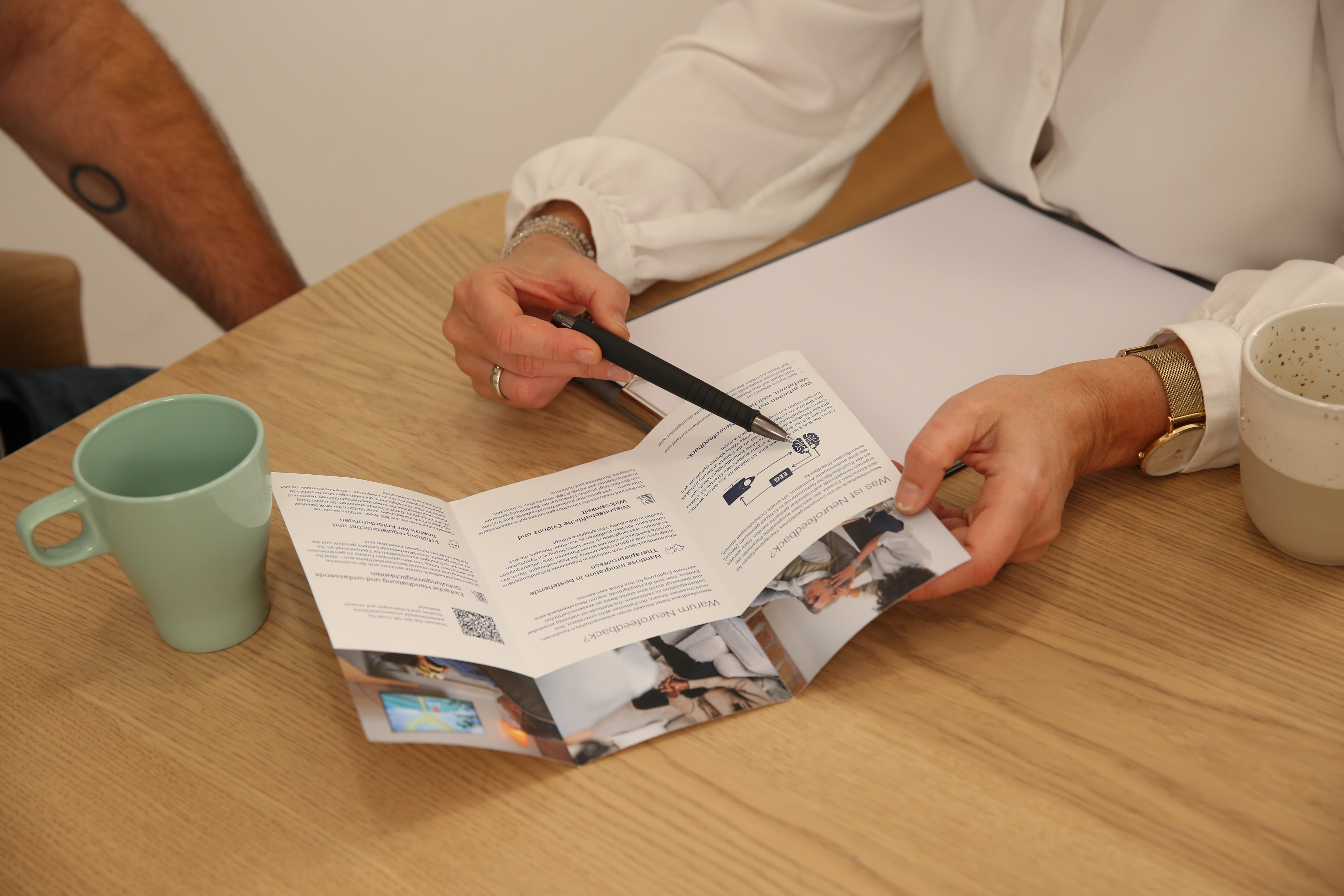
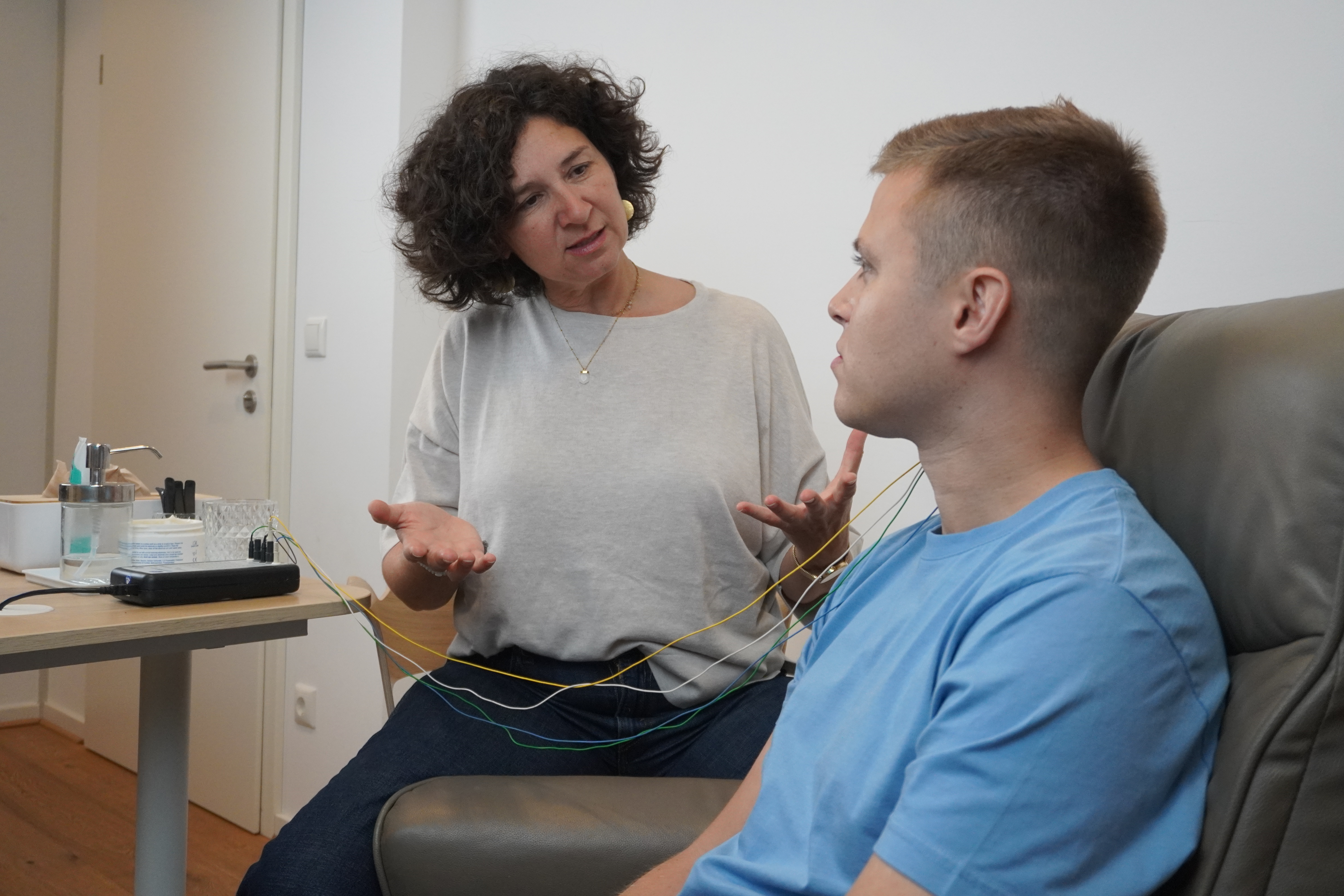
- Before the first session, an initial consultation takes place to review the patient's medical history. Based on this, the therapist determines the individual training protocol for the first session.
- At the start of the ILF neurofeedback session, electrodes are attached to the scalp using a conductive paste.
- During training, the person watches an animation or film, or plays a game on a screen.
- At the same time, brain activity is continuously measured using EEG, transmitted to the Cygnet software, processed and converted into audiovisual feedback in real time. The feedback is provided through changes in the image and sound of the film, animation or game. A tactile feedback device may also be used. This provides the person with immediate feedback on their own brain activity.
- After training, the electrodes are removed and the conductive paste is gently cleaned from the hair using an alcohol-based solution.
- At the next session, the therapist discusses any changes in symptoms since the previous session and may adjust the training accordingly.
A neurofeedback session usually lasts around 45 minutes, including the discussion before and after training. The number of sessions recommended depends on the individual's circumstances, treatment goals and progress.
| Feature | Neurofeedback | Other Biofeedback Methods |
|---|---|---|
| Signal Measured | Brain activity | Physiological functions such as heart activity, muscle activity, respiration or skin conductance |
| Sensors | Usually EEG electrodes placed on the scalp | ECG electrodes, EMG electrodes, respiration sensors, skin conductance sensors |
| Example parameters | EEG frequency bands, infra-low-frequency (ILF) activity, slow cortical potentials (SCP) | Heart rate variability (HRV), muscle activity (EMG), respiratory rate, skin conductance, skin temperature |
| Training objective | Self-regulation of specific aspects of brain activity | Self-regulation of the physiological functions being measured |
| Training principle | Feedback on brain activity, depending on the method, without necessarily requiring conscious control strategies | Feedback on physiological signals, often combined with conscious regulation strategies |
Frequently Asked Questions About Neurofeedback
1. Where can neurofeedback be used?
Neurofeedback is primarily used in therapeutic settings, but it is also applied outside the treatment of medical conditions, for example in peak performance training.
2. How long does a neurofeedback session last?
A neurofeedback session usually lasts around 45 minutes. This includes the discussion before and after training, attaching the electrodes, the training itself and removing the electrodes.
3. How many neurofeedback sessions are needed?
A course of neurofeedback therapy usually involves 20 to 30 sessions, ideally once or twice a week. The exact number depends on the individual's circumstances, treatment goals and progress. A break is often recommended afterwards to assess whether any symptoms remain. Further sessions may then be appropriate. For some conditions, ongoing treatment without extended breaks may be necessary.
4. What does neurofeedback measure?
Neurofeedback measures the brain's electrical activity using EEG. Software processes the EEG signals and converts them into real-time feedback through visuals, sound or vibration.
5. Does neurofeedback hurt?
No, neurofeedback is painless because it only measures brain activity. The method is non-invasive and no electrical current is passed into the brain.
6. What are the requirements for purchasing BEE Medic devices?
To purchase our neurofeedback devices, you must first complete a basic course with BEE Medic or an authorised training partner. This ensures that the systems are used competently and safely. Our neurofeedback courses are intended for professionals with a medical or therapeutic background. If you would like to learn more about neurofeedback before committing to training, a free webinar is a good place to start.