Infra-Low Frequency Neurofeedback and Peak Performance: A Neurophysiological Approach to Stability, Regulation and Human Potential

07. April 2026

Written by Kasia McCartney | ION

Abstract 
Peak performance across domains - including elite sport and high-level executive functioning - depends not only on skill acquisition and psychological training, but fundamentally on the integrity and adaptability of underlying neurophysiological systems. Infra-Low Frequency (ILF) neurofeedback represents an emerging intervention targeting self-regulatory capacity at the level of brain network dynamics. This article explores the application of ILF neurofeedback in performance populations, integrating perspectives from neuropsychology, performance psychology, and sports medicine. Clinical observations suggest that ILF training supports improvements in attentional control, sensorimotor integration, emotional regulation, and recovery processes, thereby enhancing both performance output and resilience under pressure.


Introduction
The pursuit of peak performance has historically prioritised physical conditioning, technical skill acquisition, and psychological strategies such as visualisation and cognitive restructuring. While these domains remain essential, increasing attention has been directed toward the role of neurophysiological regulation as a foundational determinant of performance consistency and adaptability (Thompson & Thompson, 2003).
Elite performers, whether in sport or executive leadership, operate within environments characterised by sustained cognitive demand, high stakes, and repeated exposure to stress. In many cases, performance is maintained through compensatory reliance on heightened arousal states, including anxiety and adrenaline-driven activation. Although such states may support short-term output, they are frequently associated with diminished recovery capacity, impaired decision-making under pressure, and an increased risk of cumulative fatigue and burnout (McEwen, 2007).
Infra-Low Frequency neurofeedback offers a method of directly engaging the brain’s self-regulatory systems, with particular relevance to large-scale network stability and autonomic balance (Othmer, Othmer, & Kaiser, 2013).


The Neurophysiological Basis of ILF Neurofeedback 
Infra-Low Frequency neurofeedback targets brain activity below 0.1 Hz, a range associated with slow cortical potentials and the regulation of large-scale neural networks, including thalamocortical systems and default mode network dynamics (Aladjalova, 1957; He & Raichle, 2009). These slow oscillatory processes are thought to modulate cortical excitability, coordinate neural timing, and maintain system-wide stability.
Disruptions in these mechanisms have been described in the context of thalamocortical dysrhythmia, a model proposed by Rodolfo Llinás and colleagues (1999), in which altered rhythmic activity contributes to impaired signal integration and increased neural noise. Within performance populations, such dysregulation may manifest as cognitive overactivation, motor inconsistency, emotional reactivity, and difficulty transitioning into restorative states such as sleep.

ILF neurofeedback aims to restore functional stability while preserving adaptive flexibility, enabling more efficient transitions between activation and recovery states. In this sense, the intervention targets not isolated symptoms, but the broader regulatory architecture underlying performance.

darts target

Application in Athletic Performance
Athletic performance is fundamentally dependent on the integration of sensory processing with motor execution. Neurofeedback training has been associated with measurable improvements in coordination, reaction time, and perceptual accuracy, reflecting enhanced sensorimotor integration (Gruzelier, 2014). In clinical practice, athletes undergoing ILF training frequently demonstrate increased precision in timing and movement, particularly in disciplines requiring fine motor control.

The capacity to maintain attentional stability under pressure represents another critical determinant of performance. Neurofeedback has been shown to reduce variability in attentional engagement, supporting sustained focus even in high-stakes conditions (Vernon et al., 2003). A common clinical observation is a reduction in the experience often described as “freezing” or overthinking during key performance moments. Following training, individuals frequently report an increased ability to execute automatically, suggesting improved integration between higher-order cognitive control systems and subcortical motor processes.´

Mental imagery and visualisation, widely used in performance psychology, also appear to be influenced by neurofeedback training. Athletes often describe their imagery becoming more vivid, stable, and controllable, enhancing the effectiveness of rehearsal strategies. This may reflect improved coherence within neural networks responsible for internal representation and simulation (Schack et al., 2014).
Recovery processes, particularly sleep, are central to sustained athletic performance. Sleep disruption has well-documented effects on reaction time, cognitive performance, and injury risk (Fullagar et al., 2015). ILF neurofeedback has been associated with improvements in sleep onset, continuity, and overall quality, likely mediated through its effects on cortical arousal and autonomic regulation. These changes support not only physical recovery but also cognitive and emotional resilience.


Application in Executive Performance
In executive populations, the demands of performance often manifest as cognitive overload, characterised by fragmented attention and reduced efficiency in information processing. This is frequently described subjectively as an inability to “switch off” or as having multiple competing streams of thought. Neurofeedback has been associated with improvements in working memory, attentional control, and cognitive flexibility, supporting more efficient and organised mental processing (Enriquez-Geppert et al., 2017).
Clinically, individuals often report a transition toward greater clarity in decision-making, accompanied by an increased ability to initiate and complete tasks. This shift reflects not only enhanced cognitive capacity but also improved regulation of underlying neural networks.
Emotional regulation represents a further domain of relevance, particularly in leadership contexts requiring sustained composure under pressure. ILF neurofeedback appears to support more stable interactions between limbic and prefrontal systems, reducing emotional reactivity while preserving responsiveness (Thayer & Lane, 2000). This is reflected in improved interpersonal functioning, reduced impulsivity, and a greater capacity for consistent leadership.

Chronic activation of stress responses is a defining feature of many high-demand professional environments. While often perceived as necessary for productivity, prolonged sympathetic dominance contributes to cumulative physiological strain and burnout (McEwen, 2007). ILF training facilitates a shift toward more balanced autonomic functioning, supporting recovery without compromising performance output.
Clinical Considerations in Peak Performance Populations
A central consideration in working with high-performing individuals is their relationship to arousal. Many individuals in this group are accustomed to operating in heightened states of activation and may attribute their success to such conditions. As a result, the introduction of increased calmness or stability may initially be misinterpreted as reduced motivation or diminished performance capacity.
This highlights the importance of psychoeducation and careful pacing within the therapeutic process. Individuals benefit from understanding the distinction between dysregulated activation, characterised by anxiety and inefficiency, and optimal activation, which supports focused, sustainable performance. Early experiences of increased rest, extended sleep, or transient fatigue are often indicative of underlying neurophysiological recalibration rather than decline.

Reflection
The application of ILF neurofeedback within performance contexts reflects a broader shift toward systems-level approaches to optimisation. Rather than targeting isolated cognitive or behavioural variables alone, this intervention addresses the foundational regulatory mechanisms that support performance across domains.
From this perspective, peak performance is not defined solely by output, but by the capacity to maintain stability without rigidity, flexibility without loss of control, and effectiveness under pressure without reliance on maladaptive stress responses. ILF neurofeedback aligns with contemporary models emphasising adaptability, resilience, and recovery as central to sustained excellence.
Infra-Low Frequency neurofeedback represents a promising approach to enhancing performance in both athletic and executive populations. By targeting the brain’s intrinsic self-regulatory systems, it offers a means of improving not only improved performance outcomes but also the sustainability and wellbeing of high-performing individuals. 


This article was written by our lecturer, Kasia McCartney. You can find more information about her and her work at https://www.ionbiofeedback.com/.


References
Aladjalova, N. A. (1957). Infra-slow rhythmic oscillations of the steady potential of the cerebral cortex. Nature, 179, 957–959.
Enriquez-Geppert, S., Huster, R. J., & Herrmann, C. S. (2017). EEG-neurofeedback as a tool to modulate cognition and behavior: A review tutorial. Frontiers in Human Neuroscience, 11, 51.
Fullagar, H. H. K., et al. (2015). Sleep and athletic performance: The effects of sleep loss on exercise performance. Sports Medicine, 45(2), 161–186.
Gruzelier, J. H. (2014). EEG-neurofeedback for optimising performance. Neuroscience & Biobehavioral Reviews, 44, 124–141.
He, B. J., & Raichle, M. E. (2009). The fMRI signal, slow cortical potentials and consciousness. Trends in Cognitive Sciences, 13(7), 302–309.
Llinás, R. R., Ribary, U., Jeanmonod, D., Kronberg, E., & Mitra, P. P. (1999). Thalamocortical dysrhythmia. Proceedings of the National Academy of Sciences, 96(26), 15222–15227.
McEwen, B. S. (2007). Physiology and neurobiology of stress and adaptation. Physiological Reviews, 87(3), 873–904.
Othmer, S., Othmer, S. F., & Kaiser, D. A. (2013). Endogenous neuromodulation at infra-low frequencies. Seminars in Pediatric Neurology, 20(4), 246–257.
Schack, T., Essig, K., Frank, C., & Koester, D. (2014). Mental representation and motor imagery training. Frontiers in Human Neuroscience, 8, 328.
Thayer, J. F., & Lane, R. D. (2000). A model of neurovisceral integration. Biological Psychology, 74(2), 201–232.
Thompson, M., & Thompson, L. (2003). The neurofeedback book. Association for Applied Psychophysiology and Biofeedback.
Vernon, D. J., et al. (2003). Neurofeedback training and cognitive performance. International Journal of Psychophysiology, 47(1), 75–85.
 

Health and Wellbeing at Work - Integrating Neurofeedback for Resilience and Performance

16. February 2026

In today’s fast-paced corporate environment, the psychological well-being of employees has become a critical factor for organizational success. As burnout rates rise and the boundaries between work and private life blur, innovative neurological interventions like Neurofeedback are gaining more interest as powerful tools for both prevention and optimization.

Burnout is increasingly recognized as a state of chronic dysregulation of the autonomic nervous system (1). On a neurophysiological level, burnout often correlates with diminished cortical arousal control and disrupted connectivity within resting-state networks, particularly the Default Mode Network (DMN). Individuals affected by burnout frequently exhibit an inability to shift from a state of high sympathetic arousal into a parasympathetic recovery mode (2). The on-going stress at work leads to exhaustion, but also to a reduced performance. Neurofeedback is a method that can help to stabilize the nervous system and therewith reduce or prevent symptoms of burnout. Two fundamental studies investigated the application of ILF Neurofeedback on healthy adults. fMRI was conducted after one session of ILF Neurofeedback and revealed an increased connectivity in the brain. (3,4)

Burnout, but also stress in general can lead to sleep problems like an increased sleep onset latency or decrease in deep sleep phases, which both are essential for neurocognitive regeneration (5). Many people have problems resting their minds and finding proper sleep during nighttime. This leads to a reduced quality of life and can result in various other health issues. Neurofeedback has been reported to reduce the number of awakenings and increase in sleep quality (6). There are also studies that report about reduced sleep onset latency (7,8). Also in the case of burnout, where sleep issues go hand in hand with other symptoms, Neurofeedback was shown to help alleviate the issues.9 A 2022 published review paper discusses the model of the dysregulation of the central nervous system and summarizes the positive effects of Neurofeedback on insomnia (10)

Neurofeedback has been applied to significantly improve sleep quality and stress modulation in healthcare professionals during the COVID-19 pandemic (11). Similarly, research by Liu & Cha indicates that Neurofeedback training is an effective tool for reducing job-related stress specifically among financial sector employees, suggesting its utility in corporate wellness programs (12). Utilizing Neurofeedback training it was possible to significantly influence biological markers of stress (13) For those in leadership roles, stress management is inextricably linked to performance. It was demonstrated that top-level managers who learned self-regulation through neurofeedback showed improved decision-making under stress (14). This aligns with a broader framework, which positions Neurofeedback as a cornerstone of modern stress management, capable of enhancing the brain's ability to maintain cognitive clarity while under physiological pressure (15) Neurofeedback was also used to improve the cognitive workload management in radiation therapists by stabilizing mental effort, thereby reducing fatigue and enhancing safety in high-precision tasks (16) A study demonstrated that neurofeedback reduces burnout in surgical residents by enhancing self-regulation and resilience against the stressors of medical training (9)

Also in terms of peak performance, Neurofeedback shows promising results. It is possible to learn self-regulation that directly leads to enhanced attentional performance (17). In another study, the executive functioning and cognitive control of pilots could be effectively enhanced (18). In medical professionals, stress levels and surgical performance as been increased using Neurofeedback training. (19) During Italy’s 2006 World Cup victory, players utilized a "Mind Room" featuring neurofeedback to enhance focus and composure (20) This technology is also successfully employed in Formula 1, Olympic training centers, and by NASA, which developed specialized smart glasses to help astronauts maintain peak attention (21).

Neurofeedback is an evidence-based intervention that supports corporate wellness by strategically enhancing the brain’s capacity for self-regulation. Integrating it into the workplace offers three core benefits: It stabilizes the nervous system, helping employees manage chronic stress and efficiently transition into recovery states, thereby actively mitigating burnout risk. Furthermore, it improves essential metrics like sleep quality and boosts attention, executive function, and mental clarity, which are critical for sustained productivity. Finally, by developing self-regulation skills, Neurofeedback strengthens resilience and optimizes decision-making, enabling employees in high-stress roles to maintain peak performance.


Neurofeedback session

1.    Kanthak, M. K. et al. Autonomic dysregulation in burnout and depression: evidence for the central role of exhaustion. Scand. J. Work. Environ. Health 43, 475–484 (2017). 
2.    Golkar, A. et al. The influence of work-related chronic stress on the regulation of emotion and on functional connectivity in the brain. PloS One 9, e104550 (2014). 
3.    Dobrushina, O. R. et al. Modulation of Intrinsic Brain Connectivity by Implicit Electroencephalographic Neurofeedback. Front. Hum. Neurosci. 14, (2020). 
4.    de Matos, N. M. P., Stämpfli, P., Seifritz, E. & Brügger, M. Disassembling infra-low-frequency neurofeedback: A neurophysiological investigation of its feedback components. NeuroImage 325, 121647 (2026). 
5.    Akerstedt, T. Psychosocial stress and impaired sleep. Scand. J. Work. Environ. Health 32, 493–501 (2006). 
6.    Schabus, M. et al. Enhancing sleep quality and memory in insomnia using instrumental sensorimotor rhythm conditioning. Biol. Psychol. 95, 126–134 (2014). 
7.    Wu, Y. L., Fang, S. C., Chen, S. C., Tai, C. J. & Tsai, P. S. Effects of Neurofeedback on Fibromyalgia: A Randomized Controlled Trial. Pain Manag. Nurs. 22, 755–763 (2021). 
8.    Hoedlmoser, K. et al. Human SenSorimotor rHytHm, Sleep and Learning Instrumental Conditioning of Human Sensorimotor Rhythm (12-15 Hz) and Its Impact on Sleep as Well as Declarative Learning Instrumental Conditioning of Sensorimotor Rhythm-Hoedlmoser et Al. SLEEP vol. 31 (2008). 
9.    Kratzke, I. M. et al. Reducing Residents’ Burnout Using Neurofeedback. J. Am. Coll. Surg. 231, S254 (2020). 
10.    Othmer, S., Kara, O., Bechtereva, N. P. & Moore, P. T. Infra-Low Frequency Neurofeedback and Insomnia as a Model of CNS Dysregulation. 
11.    Benatti, B. et al. INTENSIVE NEUROFEEDBACK PROTOCOL: AN ALPHA TRAINING TO IMPROVE SLEEP QUALITY AND STRESS MODULATION IN HEALTH CARE PROFESSIONALS DURING THE COVID-19 PANDEMIC. A PILOT STUDY. Clin. Neuropsychiatry 20, 61–66 (2023). 
12.    Liu, C. & Cha, H. A randomized controlled trial for solving job stress of financial employees based on Neurofeedback training. NeuroQuantology 16, 91–96 (2018). 
13.    Shahyad, S. et al. Effectiveness of Neurofeedback on Psychological Stress, Salivary Cortisol and α-amylase Level in Students: A Randomized and Parallel-Group Clinical Trial. Iran. J. Psychiatry Behav. Sci. 18, (2024). 
14.    Iodice, P., Cannito, L., Chaigneau, A. & Palumbo, R. Learned self-regulation in top-level managers through neurobiofeedback training improves decision making under stress. Sci. Rep. 12, (2022). 
15.    Thompson, M. & Thompson, L. Neurofeedback for stress management. in Principles and practice of stress management, 3rd ed 249–287 (The Guilford Press, New York, NY, US, 2007). 
16.    Campbell, A. M., Mattoni, M., Yefimov, M. N., Adapa, K. & Mazur, L. M. Improving Cognitive Workload in Radiation Therapists: A Pilot EEG Neurofeedback Study. Front. Psychol. 11, (2020). 
17.    Egner, T. & Gruzelier, J. H. COGNITIVE NEUROSCIENCE AND NEUROPSYCHOLOGY NEUROREPORT Learned Self-Regulation of EEG Frequency Components Affects Attention and Event-Related Brain Potentials in Humans. Lippincott Williams & Wilkins vol. 12. 
18.    Lafont, A., Enriquez-Geppert, S., Roy, R., Leloup, V. & Dehais, F. Theta Neurofeedback and Pilots’ Executive Functioning. 
19.    Vernon, D. et al. The Effect of Training distinct Neurofeedback protocols on aspects of cognitive performance. Int. J. Psychophysiol. 47, 75–85 (2003). 
20.    Wilson, V., Peper, E. & Moss, D. ‘The Mind Room’ in Italian Soccer Training: The Use of Biofeedback and Neurofeedback for Optimum Performance Health Computing View Project Pathways Model for Healthcare View Project. https://www.researchgate.net/publication/259558691. 
21.    Smart Glasses Focus Attention with NASA Neurofeedback Technology - NASA. https://www.nasa.gov/technology/tech-transfer-spinoffs/smart-glasses-focus-attention-with-nasa-neurofeedback-technology/ (2020).


New NeuroImage Study Provides a Mechanistic Foundation for ILF Neurofeedback

22. December 2025

fMRI study shows stable brain network changes only for the full ILF protocol

Neurofeedback has been used in clinical practice for many years. At the same time, there is ongoing discussion about the neurophysiological mechanisms through which different neurofeedback approaches exert their effects. In the case of Infra-Low Frequency (ILF) neurofeedback in particular, imaging studies demonstrating objective changes in the brain beyond subjective reports have so far been limited.

A study published in December 2025 in the scientific journal NeuroImage addresses this gap. The aim of the work was not to evaluate the clinical efficacy of neurofeedback, but to investigate the neurophysiological effects of the signal components of an established ILF neurofeedback protocol from a mechanistic perspective.


ILF neurofeedback as a combined approach

ILF neurofeedback is not a single-signal method. It is based on the combination of multiple EEG timescales, including:

  • classical EEG frequency band signals reflecting fast neural dynamics
  • infra-low-frequency signals capturing very slow regulatory processes 

This combination corresponds to the clinical ILF neurofeedback configuration as it is used in therapeutic practice.
To better understand the underlying mechanisms, the signal components combined in ILF neurofeedback were deliberately examined separately in the study and analyzed both individually and in combination. This separation served the mechanistic investigation of the established ILF approach.
 

Study design: mechanistic analysis of an established protocol

The study comprised three randomized, double-blind, sham-controlled crossover experiments with a total of 135 healthy participants. In each sub-study, participants completed a single 30-minute neurofeedback session, accompanied by functional MRI measurements before and after the session.
Three experimental conditions were examined:

  • classical EEG frequency band signals alone
  • infra-low-frequency signals alone
  • the combination of frequency band and infra-low-frequency signals corresponding to the clinical ILF neurofeedback configuration 

Resting-state fMRI data were analyzed using multivariate functional connectivity pattern analysis (fc-MVPA), an established method for assessing large-scale brain networks.

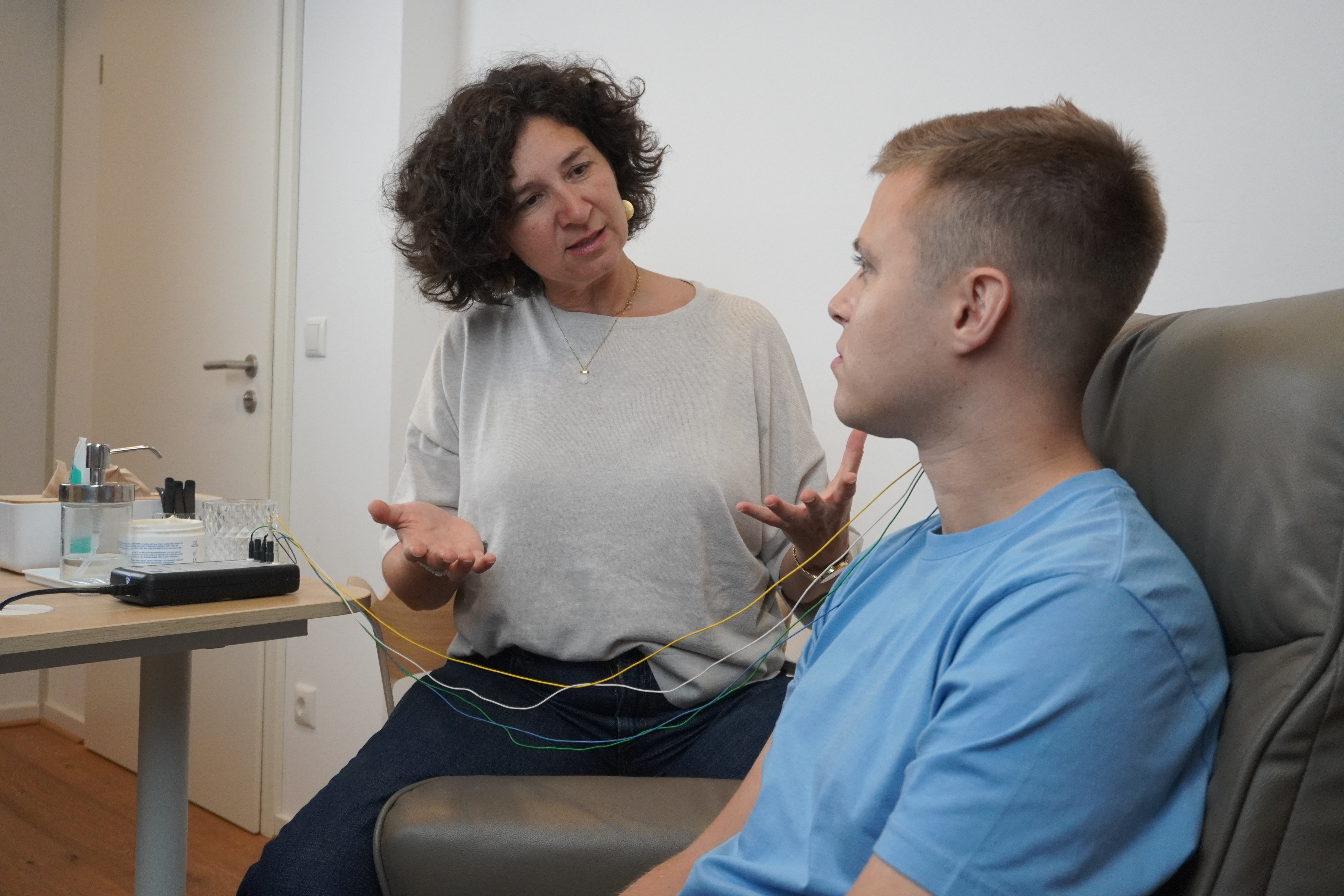
Neurofeedback setting

Central findings

The central finding of the study is clear. Robust and statistically reliable changes in functional brain connectivity were observed exclusively when frequency band and infra-low-frequency signals were applied in combination. When the individual signal components were applied in isolation, no comparably stable effects were observed after statistical correction. The results therefore indicate that consistent neurophysiological changes emerge only from the combination of different EEG timescales. Importantly, the study does not identify a novel combination. Rather, it demonstrates the neurophysiological relevance of the complete ILF neurofeedback protocol as it is used in clinical practice.


Relevance of the findings for ILF neurofeedback by BEE Medic

The results provide, for the first time, an imaging-based mechanistic foundation for the ILF neurofeedback approach that BEE Medic has exclusively developed and technically implemented in this consistent clinical configuration. The study shows that the observed effects are not driven by individual EEG signals alone, but by the targeted coupling of fast and very slow neuronal dynamics as realized in ILF neurofeedback. In this way, an approach that has previously been shaped primarily by clinical experience is now based on a clear neurophysiological footing.


Study context

The study is designed as a neurophysiological basic research investigation. It does not make any statements about clinical efficacy, specific symptoms, or long-term effects. Its contribution lies in the objective, imaging-based analysis of the underlying mechanisms.


Conclusion

The fMRI study published in NeuroImage demonstrates that the complete ILF neurofeedback protocol, meaning the combination of classical EEG frequency band signals and infra-low-frequency signals, leads to stable and measurable changes in functional brain networks. The study therefore provides, for the first time, an imaging-based mechanistic foundation for the ILF neurofeedback approach as it is used clinically and technically implemented by BEE Medic devices.


You can read the whole paper here.
 

“STUDY UPDATE” – HERE YOU WILL FIND A SELECTION OF CURRENT NEUROFEEDBACK STUDIES

29. October 2025

ILF neurofeedback mechanisms and neurophysiology

Dobrushina, O. R., Dobrynina, L.A., Arina, G.A., Kremneva, E., Novikova, E.S., Gubanova. M.V., Pechenkova, E.V., Suslina, A.D., Aristova, V.V., Trubitsyna, V.V. & Krotenkova, M.V. (2022). Enhancing Brain Connectivity With Infra-Low Frequency Neurofeedback During Aging: A Pilot Study. Front. Hum. Neurosci. 16:891547. doi: 10.3389/fnhum.2022.891547

Fleischman, M. J. (2022). Documenting the Impact of Infra Low Frequency Neurofeedback on Underserved Populations with Complex Clinical Presentations. Front. Hum. Neurosci.16:921491. doi: 10.3389/fnhum.2022.921491

Kropotov J.D. (2022). The enigma of infra-slow fluctuations in the human EEG. Front. Hum. Neurosci. 16:928410. doi: 10.3389/fnhum.2022.928410

Seuß S, Riederle J. (2021). Erfahrungen mit Neurofeedback in der therapeutischen Praxis.Praxis Ergotherapie; 2:75–81. 

Dobrushina, O., Vlasova, R.M., Rumshiskaya, A.D., Litvionova, L.D., Mershina, E.A., Sinitsyn, V.E. and Pechenkova, E.V. (2020). Modulation of Intrinsic Brain Connectivity by

Implicit Electroencephalographic Neurofeedback. Frontiers in Human Neuroscience, 14: 192.

Grin-Yatsenko, V., Kara, O., Evdokimov, S., Gregory, M., Othmer, S. & Kropotov, J. (2020). Infra-Low Frequency Neurofeedback Modulates Infra-Slow Oscillations of Brain Potentials: A Controlled Study. Journal of Biomedical Engineering and Research, 4, 1-11.

Dobrushina, O., Pechenkova, E.V., Vlasova, R., Rumshiskaya, A.D., Litvinova, L., Mershina, E. and Sinitsyn, V. (2018). Exploring the brain contour of implicit infra-low frequency EEG neurofeedback: a resting state fMRI study. Int. J. Psychophysiol. 131, S76 (2018).

Grin-Yatsenko, V. A., Ponomarev, V. A., Kara, O., Wandernoth, B., Gregory, M., Ilyukhina, V. A., & Kropotov, J. D. (2018). Effect of Infra-Low Frequency Neurofeedback on Infra-Slow EEG Fluctuations. In Biofeedback. IntechOpen

Arina, G., Osina, E., Dobrushina, O. & Aziatskaya, G. (2017). Sham-neurofeedback as an intervention: Placebo or nocebo? European Psychiatry, 41, 253-254.

Altan, S., Berberoglu, B., Canan, S. & Dane, S. (2016). Effects of neurofeedback therapy in healthy young subjects. Clin invest Med 39, 27–30.

Dobrushina, O., Vlasova, R., Pechenkova, E.V., Rumshiskaya, A.D., Litvinova, L., Mershina, E.A. and Sinitsyn, V. (2015). The effect of Infra-Low Frequency Neurofeedback on default mode network of the brain. Conference paper at Applied Neuroscience and Social Well being, Moscow. (In Russian language).

Othmer S., Othmer S.F., Kaiser D. & Putman J. (2013). Endogenous Neuromodulation at Infra-Low Frequencies. Seminars in Paediatric Neurology, 20(4), 246-257.

Legarda S., McMahon D., Othmer S. & Othmer SF. (2011). Clinical Neurofeedback: Case Studies, Proposed Mechanism and Implication for Paediatric Neurology Practice. Journal of Child Neurology, 26(8), 1045-1051.

Othmer S., Othmer SF. & Legarda S. (2011). Clinical Neurofeedback: Training Brain

Behavior. Pediatric Neurology and Psychiatry, 2, 67-73.


ILF Neurofeedback in the latest clinical application


Addiction

Corominas-Roso, M., Ibern, I., Capdevila, M., Ramon, R., Roncero, C. & Ramos-Quiroga, J.A. (2020). Benefits of EEG-Neurofeedback on the Modulation of Impulsivity in a Sample of Cocaine and Heroin Long-Term Abstinent Inmates: A Pilot Study. International Journal of Offender Therapy and Comparative Criminology, 64(12), 1275-1298.


ADHD

Ölçüoğlu, R., Kozanoğlu, I., Mıdık, M. & Ates, E. G. (2024). The Impact of Neurofeedback Training on Cognitive Abilities Assessed by the Wechsler Intelligence Scale for Children-Revised in Children with Attention Deficit: A Randomized Single-Blind Sham-Controlled Study. Clin. EEG Neurosci. 55(6), 603-612. doi:10.1177/15500594241279997

Wührer, G. & Kolbe, S. (2024). Klinisches ILF-Neurofeedback mit Kindern und Jugendlichen. Gehirnfunktions-Training bei psychischen Störungsbildern – eine Übersicht mit Anwendungsbeispielen. Forum für Kinder- und Jugendpsychiatrie 4, 62–87. (In German language)

Ströhle, G. (2023). Infra-Low Frequency Training. In: Sidiropoulos, K. (eds). EEG-Neurofeedback bei ADS und ADHS. Springer, Berlin, Heidelberg. doi:10.1007/978-3-662-65726-3_17

Schneider, H., Riederle, J. & Seuss, S. (2021): Therapeutic Effect of Infra-Low Frequency Neurofeedback Training on Children and Adolescents with ADHD. In: Brain-Computer

Interface, Vahid Asadpour ed., IntechOpen Limited, 2021:13, 75-92. doi: 10.5772/intechopen.97938

Prinz, W. (2015): Neurofeedbacktherapie als Spezialtherapieangebot. Psychopraxis. Neuropraxis 18, 180–183. (In German language)

Flatz, T. & Gleußner, M. (2014): Neurofeedbacktherapie bei ADHS und Autismus. Pädiatrie & Pädologie 49, 22–27. (In German language)

Ahlstrand, P. & Grattbeck, M. (2013): Neurofeedback - ett behandlingsalternativ vid ADHD. Specialised Thesis in Clinical Psychology/Neuropsychology. (In Swedish language)


Aging and dementia

Dobrushina, O. R., Dobrynina, L.A., Arina, G.A., Kremneva, E., Novikova, E.S., Gubanova. M.V., Pechenkova, E.V., Suslina, A.D., Aristova, V.V., Trubitsyna, V.V. and rotenkova,

M.V. (2022). Enhancing Brain Connectivity With Infra-Low Frequency Neurofeedback During Aging: A Pilot Study. Front. Hum. Neurosci. 16, 1–12.

Legarda, S.B., Michas-Martin, P. A. & McDermott, D. (2022). Managing Intractable Symptoms of Parkinson's Disease: A Nonsurgical Approach Employing Infralow Frequency Neuromodulation. Front. Hum. Neurosci. 16:894781. doi: 10.3389/fnhum.2022.894781


Anxiety disorder

Wührer, G., Kolbe, S., Bolduan, U., Icking, A., Schneider, H. (2025). Klinisches ILF-Neurofeedback mit Kindern und Jugendlichen. Training bei psychischen Störungsbildern - Studienlage, Anwendungsbeispiele und Kostenerstattung. Forum für Kinder- und Jugendpsychiatrie 1, 42–68. (In German language)


Autism spectrum disorder (ASD)

Saleem, S. & Habib, S. H. (2024). Effect of Infra Low Frequency (ILF) neurofeedback training on EEG in children with autism spectrum disorders. Pakistan J. Med. Sci. 40(7), 1397-1402. Wührer, G. & Kolbe, S. (2024). Klinisches ILF-Neurofeedback mit Kindern und Jugendlichen Gehirnfunktions-Training bei psychischen Störungsbildern – eine Übersicht mit Anwendungsbeispielen. Forum für Kinder- und Jugendpsychiatrie 4, 62–87. (In German language)

Esmaeilzadeh Kanafgourabi S. N., Shabani, M., Mirchi, Z., Aliyari, H. & Mahdavi, P. (2023): The impact of ILF neurofeedback on inhibitory control in high-functioning adolescents with autism spectrum disorder: Preliminary evidence of a randomized controlled trial, Applied Neuropsychology: Child 14(2), 1-19. doi: 10.1080/21622965.2023.2258247

Saleem, S. & Habib, S. H. (2023). Neurofeedback Recuperates Cognitive Functions in Children with Autism Spectrum Disorders (ASD). Journal of Autism and Developmental Disorders 54(8), 1-11. doi: 10.1007/s10803-023-06037-7

Rauter, A., Schneider, H. & Prinz, W. (2022): Effectivity of ILF Neurofeedback on Autism spectrum disorder – a Case Study. Front. Hum. Neurosci. 16, 1-6.

Prinz, W. (2015): Neurofeedbacktherapie als Spezialtherapieangebot. psychopraxis. neuropraxis 18, 180-183. (In German language)

Flatz, T. & Gleußner, M. (2014): Neurofeedbacktherapie bei ADHS und Autismus. Pädiatrie & Pädologie 49, 22–27. (In German language)

Othmer S. & Othmer S.F. (2011): Neurofeedback for the Autism Spectrum. In K. Siri and T. Lyons (Eds.), Cutting-Edge Therapies for Autism (262-267). Skyhorse Publishing.


Brain injury and traumatic brain injury (TBI)

Carlson, J., Webster Ross, G, Tyrrell, C., Fiame, B., Nunokawa, C., Siriwardhana, C.,Schaper, K. (2025). Infra-low frequency neurofeedback impact on post-concussive symptoms of headache, insomnia and attention disorder: Results of a randomized control trial. Explore 21, 103137. doi: 10.1016/j.explore.2025.103137

Annaheim C, Hug K, Stumm C, Messerli M, Simon Y and Hund-Georgiadis M (2022): Neurofeedback in patients with frontal brain lesions: A randomized, controlled double-blind trial. Front. Hum. Neurosci. 16:979723. doi: 10.3389/fnhum.2022.979723

Carlson, J. & Ross, G. (2021): Neurofeedback Impact on Chronic Headache, Sleep and Attention Disorders Experienced by Veterans with Mild Traumatic Brain Injury: A Pilot Study. Biofeedback, 49(1), 2-9.


Chronic diseases

Borchert, N., Eliasson, H., Hamne, G., Hodgson, K., Lyche, T., Mayer-Pelinski, R., Praesto, F., Radu, G., Sandström, U. & Stapleton, P.B. (2023). Learning from Läklabbet: An integrative transdisciplinary eco therapeutic treatment approach designed to promote resource capacity in people recovering from chronic ill health . Open Access Digital rchive, 2023, 1–9.


Depression

Grin-Yatsenko, V. A., & Kropotov, J. D. (2020): Effect of infra-low frequency neurofeedback on the functional state of the brain in healthy and depressed individuals. In H. W. Kirk (Ed.), Restoring the brain: Neurofeedback as an integrative approach to health (2nd ed.). Routledge, pp. 244-255.

Grin-Yatsenko, V. A. et al. (2018): Infra-low frequency neurofeedback in depression: Three case studies. NeuroRegulation 5, 30–42.

Tschiesner, R. (2023). Infra-Low-Frequency Neurofeedback Treatment in Dysthymia : A Case Study. Behav. Sci. (Basel). 13(9), 711. doi: 10.3390/bs13090711.


Eating disorder

Winkeler, A., Winkeler, M. & Imgart, H. (2022): Infra-Low Frequency Neurofeedback in the Treatment of Patients With Chronic Eating Disorder and Comorbid Post-Traumatic Stress Disorder. Front. Hum. Neurosci. 16:890682. doi: 10.3389/fnhum.2022.890682

Leong, S. L., Vanneste, S., Lim, J., Smith, M., Manning, P., & De Ridder, D. (2018): A randomised, double-blind, placebo-controlled parallel trial of closed-loop infraslow brain training in food addiction. Scientific reports, 8(1), 1-9.

Chirita-Emandi, A., & Puiu, M. (2014): Outcomes of neurofeedback training in childhood obesity management: A pilot study. Journal of Alternative and Complementary Medicine, 20(11), 831–837.


Fibromyalgia, multiple sclerosis, concussion

Legarda, S. B., Lahti, C. E., Mcdermott, D. & Michas-martin, A. (2022): Use of Novel Concussion Protocol With Infralow Frequency Neuromodulation Demonstrates Significant Treatment Response in Patients With Persistent Postconcussion Symptoms, a Retrospective Study. Front. Hum. Neurosci. 16:894758. doi: 10.3389/fnhum.2022.894758

Ingvaldsen, S. H. (2019): QEEG and Infra-Low Frequency Neurofeedback Training in Fibromyalgia: A Pilot Study Master’s thesis in Psychology. Norwegian University of Science and Technology, Dept. of Psychology, NTNU. Lamprecht, C. E. (2019): The effect of neurofeedback in post-concussion syndrome. Doctoral dissertation, Stellenbosch University.

Dobrushina, O. R., Varako, N. A., Kovyazina, M. S. & Zinchenko, Y. P. (2016): Combination of Neurofeedback and cognitive training in attention deficit due to multiple sclerosis. Int. J. Psychophysiol. 108, 118.


Insomnia

Orakpo N, Yuan C, Olukitibi O, Burdette J and Arrington K (2022): Does Virtual Reality Feedback at Infra-Low Frequency Improve Centralized Pain With Comorbid Insomnia While Mitigating Risks for Sedative Use Disorder?: A Case Report. Front. Hum. Neurosci. 16:915376. doi: 10.3389/fnhum.2022.915376

Moore, P.T. (2022): Infra-low frequency neurofeedback and insomnia as a model of CNS dysregulation. Front. Hum. Neurosci. 16:959491. doi: 10.3389/fnhum.2022.959491


Migraines and tension headaches

Arina, G.A., Dobrushina, O.R., Shvetsova, E.T., Osina, E.D., Meshkov, G.A., Aziatskaya, G.A., Trofimova, A.K., Efremova, I.N., Martunov, S.E. & Nikolaeva, V.V. (2022). Infra-Low Frequency Neurofeedback in Tension-Type Headache: A Cross-Over Sham-Controlled Study. Front. Hum. Neurosci. 16:891323. doi: 10.3389/fnhum.2022.891323

Legarda, S.B., Michas-Martin, P. A. & McDermott, D. (2022). Remediating Intractable Headache: An Effective Nonpharmacological Approach Employing Infralow Frequency

Neuromodulation. Front. Hum. Neurosci. 16:894856. doi: 10.3389/fnhum.2022.894856

Dobrushina, O., Arina, G., Osina, E. & Aziatskaya, G. (2017): Clinical and psychological confirmation of stabilizing effect of neurofeedback in migraine. European Psychiatry, 41(S1), p253. doi: 10.1016/j.eurpsy.2017.02.045


Peak Performance

Bakhtafrooz, S., Kavyani, M., Farsi, A. & Alboghebeish, S. (2025). The effect of infra low frequency – neurofeedback training on pistol shooting performance and attention in semi-skilled players. Front. Hum. Neurosci. 19:1487737. doi: 10.3389/fnhum.2025.1487737

Othmer, S. F. S. & Othmer, S. F. S. (2011). Performance Enhancement Applications of Neurofeedback. In: Case Studies in Applied Psychophysiology: Neurofeedback and Biofeedback Treatments for Advances in Human Performance, 17–30. doi:10.1002/9781119959984.ch2


Persistent postural-perceptual dizziness

Sasu R (2022). Infra-low frequency neurofeedback in persistent postural-perceptual dizziness. Case report. Front. Hum. Neurosci. 16:959579. doi: 10.3389/fnhum.2022.959579


PTSD

Kirk, H.W. & Dahl, M.G. (2022): Infra Low Frequency Neurofeedback Training for Trauma Recovery: A Case Report. Front. Hum. Neurosci. 16:905823. doi: 10.3389/fnhum.2022.905823

Spreyermann, R. (2022). Case Report : Infra-Low-Frequency Neurofeedback for PTSD : A Therapist`s Perspective. Front. Hum. Neurosci. 16:893830. doi: 10.3389/fnhum.2022.893830

Winkeler, A., Winkeler, M. & Imgart, H. (2022). Infra-Low Frequency Neurofeedback in the Treatment of Patients With Chronic Eating Disorder and Comorbid Post-Traumatic Stress Disorder. Front. Hum. Neurosci. 16:890682, 1–11. doi: 10.3389/fnhum.2022.890682

Gerge, A. (2020). A multifaceted case-vignette integrating neurofeedback and EMDR in the treatment of complex PTSD. European Journal of Trauma & Dissociation, 4(3), 100157.

Dahl, M. G. (2020). Neurofeedback with PTSD and traumatic brain injury. In H. W. Kirk (Ed.), Restoring the brain:Neurofeedback as an integrative approach to health (2nd ed.). New York, NY: Routledge, pp.256-284.

Nilsson, R. M. & Nilsson, V. (2014). Neurofeedback Treatment for Traumatized Refugees - A Pilot Study. Master thesis, Dept. of Psychology, Lund University.

Kelson, C. Y. (2013). The Impact of EEG Biofeedback on Veterans’ Symptoms of Posttraumatic Stress Disorder (PTSD)..The Chicago School of Professional Psychology ProQuest Dissertations & Theses, 2013. 3606174.

Othmer, S., Othmer, S. F. & Legarda, S. B. (2011). Clinical Neurofeedback: Training Brain Behavior. Treat. Strateg. Pediatr. Neurol. Psychiatry 2, 67–73.

Othmer, S. & Othmer, S. F. (2009). Post Traumatic Stress Disorder—The Neurofeedback Remedy. Biofeedback 37, 24–31.


Refractory neurological disorders (epilepsy, cerebral palsy)

Legarda, S. B., McMahon, D., Othmer, S. S. & Othmer, S. S. (2011): Clinical neurofeedback: Case studies, proposed mechanism, and implications for pediatric neurology practice. J. Child Neurol. 26, 1045–1051.

Schmidt, C. & Laugesen, H. (2023). Infra-low frequency neurofeedback training in Dravet syndrome: a case study. Epilepsy Behav. Reports 100606. doi:10.1016/j.ebr.2023.100606
 

Schizophrenia

Nestoros, J.N. and Vallianatou N.G. (2022). Infra-Low Frequency Neurofeedback rapidly ameliorates schizophrenia symptoms: A case report of the first session. Front. Hum. Neurosci. 16:923695. doi: 10.3389/fnhum.2022.923695


Tinnitus

Güntensperger, D. (2018). Treatment of chronic tinnitus with neurofeedback. (Doctoral Dissertation, University of Zurich). (Attn: The authors have primarily used frequency band NFB training in their studies and are (just) referring to ILF-NFB)

Güntensperger, D., Thüring, C., Meyer, M., Neff, P. Kleinjung, T. (2017). Neurofeedback for Tinnitus Treatment - Review and Current Concepts. Frontiers in Aging Neuroscience, 9,386.(Attn: The authors have primarily used frequency band NFB training in their studies and are (just) referring to ILF-NFB)


Tourette syndrome/tic disorders

Solberg, B. & Solberg, E. (2022). Infra-low frequency neurofeedback in application to Tourette syndrome and other tic disorders: A clinical case series. Front. Hum. Neurosci. 16:891924. doi: 10.3389/fnhum.2022.891924


Virtual Reality NFB in Pain Therapy

Orakpo, N., Yuan, C., Olukitibi, O., Burdette, J. & Arrington, K. (2022). Does Virtual Reality Feedback at Infra-Low Frequency Improve Centralized Pain With Comorbid Insomnia While Mitigating Risks for Sedative Use Disorder? A Case Report. Front. Hum. Neurosci. 16:915376. doi: 10.3389/fnhum.2022.915376.

Orakpo, N., Vieux, U. & Castro-Nunez, C. (2021). Case Report: Virtual Reality Neurofeedback Therapy as a Novel Modality for Sustained Analgesia in Centralized Pain Syndromes. Frontiers in Psychiatry, 12, 418. doi: 10.3389/fpsyt.2021.660105


ILF Neurofeedback Therapy – Practical Experience and Case Reports

Wührer, G., Kolbe, S., Bolduan, U., Icking, A., Schneider, H. (2025). Klinisches ILF-Neurofeedback mit Kindern und Jugendlichen. Training bei psychischen Störungsbildern - Studienlage, Anwendungsbeispiele und Kostenerstattung. Forum für Kinder- und Jugendpsychiatrie 1, 42–68. (In German language)

Wührer, G. & Kolbe, S. (2024). Klinisches ILF-Neurofeedback mit Kindern und Jugendlichen. Gehirnfunktions-Training bei psychischen Störungsbildern – eine Übersicht mit Anwendungsbeispielen. Forum für Kinder- und Jugendpsychiatrie 4, 62–87. (In German language)

Knežević, B. (2024). Neurofeedback Treatment – Application in Speech and Language Therapy, Logopedija, 14(1), 23-31. doi: 10.31299/log.14.1.3 (In Croatian language)

Theis T, Bolduan U, Seuß S, Spallek J, Wandernoth B and Mayer-Pelinski R (2025) ILF-neurofeedback in clinical practice: examining symptom change and performance metrics across diagnostic groups. Front. Hum. Neurosci. 19:1601187. doi: 10.3389/fnhum.2025.1601187


Reviews

Bazzana, F., Finzi, S., Di Fini, G. & Veglia, F. (2022). Infra-Low Frequency Neurofeedback: A Systematic Mixed Studies Review. Front. Hum. Neurosci. 16:920659. doi:10.3389/fnhum.2022.920659


Books and book chapters on the topic of ILF neurofeedback

Haus, K.-M. et al. (2015). Praxisbuch Biofeedback und Neurofeedback. Springer Berlin, Heidelberg. doi:10.1007/978-3-662-59720-0 (In German language)

Kirk, H. W. (2020). Restoring the Brain: Neurofeedback as an Integrative Approach to Health. Second Edition, Routledge, Taylor and Francis Group.

Othmer S. (2019). Protocol Guide for Neurofeedback Clinicians, 7th Edition. EEG Info. ISBN: 0989543277.

Othmer, S. & Othmer, S. F. (2011). Performance Enhancement Applications of Neurofeedback. In Case Studies in Applied Psychophysiology: Neurofeedback and Biofeedback Treatments for Advances in Human Performance 17–30. Wiley-Blackwell. Sidiropoulos, K. (ed.) (2023). EEG-Neurofeedback bei ADS und ADHS. Innovative Behandlung von Kindern, Jugendlichen und Erwachsenen. Springer-Verlag GmbH Deutschland. ISBN: 978-3-662-65725-6. doi: 10.1007/978-3-662-65726-3 (In German language)

Ströhle, G. (2023): Infra-Low Frequency Training. In: Sidiropoulos, K. (ed.) (2023): EEG-Neurofeedback bei ADS und ADHS. Kapitel 17, 237-271. Springer-Verlag GmbH Deutschland. doi: 10.1007/978-3-662-65726-3_17(In German language)

Wiedemann, M. & Segler, K. (2017): Neurofeedback - Wie eine spielerisch leichte Therapie dem Gehirn hilft, Probleme zu überwinden. Kösel, ISBN: 3466346827. (In German language)

Wiedemann, M. & Segler, K. (2024). Neurofeedback - A gentle therapy to help the brain help itself. BoD - Books on Demand. ISBN: 9783758375095.

The effectiveness of ILF Neurofeedback across different diagnostic groups - results from a new study

01. August 2025

A recently published study by Theis et al. (2025) examines the effectiveness of ILF Neurofeedback across different diagnostic groups and explores whether subjective symptom changes correlate with objective performance measures.

Introduction
Globally there is a rise in psychiatric conditions, which leads to a growing    treatment demand. Psychotherapy based on learning processes and pharmacotherapy targeting chemical imbalances are the two dominant therapy options that were found to be efficient in the treatment of psychiatric disorders. However, the availability of psychotherapy is not always given and the waiting times can reach up to several months and there are high dropout rates. Pharmacotherapy is widely used, but in many cases also side-effects can appear that reduce the quality of life. In addition, it does not lead to long-lasting effects, which means that the beneficial effects may disappear as soon as medication is discontinued. In some cases, medication also does not lead to the desired results. Therewith the demand for new, complementary approaches is rising. Neurofeedback is one of them. It is grounded in the idea of overcoming dysregulations in brain activity which contribute to the development of mental disorders. Various (case) studies have shown the efficacy of Neurofeedback.

Study design
In an observational study, data from 256 subjects were collected in a group of therapeutic clinics. The subjects were divided according their ICD-10 F-codes into four categories:
F3—Mood [Affective] Disorders (MO)
F4—Neurotic, Stress-Related, and Somatoform Disorders (NS)
F8—Disorders of psychological development (PD)
F9—Behavioral and emotional disorders with onset usually occurring in childhood and adolescence (BE)
Subjective symptom tracking measures and objective continuous performance test measures were evaluated and checked for correlation.

Symptom tracking
Symptom tracking is a method commonly used in Neurofeedback therapy. It monitors the relevant symptoms over the course of the therapy. In this study symptom tracking was conducted after every session of ILF Neurofeedback. It was shown that the average symptom score decreases significantly over the course of time. The major decline could be observed within the first 10 sessions. 
 

Graphs
graphs

Statistical discriminant correspondence analysis of the symptom tracking data resulted in the below plot. It can be seen that for the different disorder groups, there are different symptom profiles which discriminate one group from the other groups. 
 

Continuous performance test
The QIK Test (Continuous performance test) is an objective measure for gaining information such as reaction time or  commission and omission errors. QIK test was conducted before and after ILF Neurofeedback therapy. The analysis of the data revealed a significant reduction of reaction time after Neurofeedback therapy, independent of the diagnostic group. Same accounts for omission and commission errors. A significant reduction of both error rates could be observed after therapy, independent of the diagnostic group.


Correlation between the two measures
The correlation between objective and subjective measures was evaluated. For the Mood disorders group a correlation was found between symptom tracking changes and commission errors. Additionally a correlation could be found in the PD group between symptom tracking measures and correct responses and omission errors.


Summary 
This study in a naturalistic setting has shown the effectiveness of ILF Neurofeedback on self-reporting and performance over four diagnostic groups. Both a decline of symptoms as well as an increased performance measured by QIK test was observed. Although a correlation between symptom reduction and performance improvement was observed in some diagnostic groups, this suggests that subjective ratings and objective performance measures might be either independent or conditionally dependent on the specific diagnostic group or symptoms. 


Read the whole study here.

 
Theis, T., Bolduan, U., Seuß, S., Spallek, J., Wandernoth, B., & Mayer‑Pelinski, R. (2025). ILF‑neurofeedback in clinical practice: Examining symptom change and performance metrics across diagnostic groups. Frontiers in Human Neuroscience, 19, Article 1601187. https://doi.org/10.3389/fnhum.2025.1601187

Clinical ILF neurofeedback with children and adolescents - Part 2

20. February 2025

The second part of the article ‘Clinical ILF neurofeedback with children and adolescents’ has now been published in the current issue (1/2025) of the forum für Kinder- und Jugendpsychiatrie, Psychosomatik und Psychotherapie (forum for child and adolescent psychiatry, psychosomatics and psychotherapy) of the bkjpp  (Professional Association for Child and Adolescent Psychiatry, Psychosomatics and Psychotherapy in Germany e.V.).

Building on part 1 of the article, which deals with the scientific foundations of (ILF) neurofeedback, our lecturers Ute Bolduan (occupational therapist), Andrea Icking (qualified psychologist), Horst Schneider (qualified biologist and doctor of neurophysiology) and Gernot Wührer (qualified psychologist) shed light on the current study situation and various case studies on the use of ILF neurofeedback in occupational therapy practice in this second part of the article. The article presents a detailed case study of an 11-year-old boy with post-traumatic stress disorder and explains in detail both the individual training plan and the course of therapy. It also describes the treatment of two 17-year-old girls with anxiety disorder. Finally, the article provides an overview of the options for prescribing and reimbursing neurofeedback as part of occupational and behavioural therapy in ther German health system.


You can read the full article on the website of the forum for paediatric and adolescent psychiatry, psychosomatics and psychotherapy: 

https://www.kinder-psychiatrie.de/wp-content/uploads/2025/01/web_forum_1-25_.pdf

Please note: the article is in German language.
 

Infra-Low Frequency Neurofeedback for the Treatment of Post-Concussive Symptoms: Findings from a New Study

04. April 2025

Concussions, also known as mild traumatic brain injury (mTBI), are often considered a temporary injury. However, many victims, especially veterans, suffer from chronic headaches, sleep disorders and cognitive impairment for years after the original event. Despite existing therapeutic approaches, the treatment of these symptoms remains a challenge.

A recently published randomised controlled trial by Carlson et al. investigated the efficacy of Infra-Low Frequency Neurofeedback (ILF NFB) as a potential non-invasive treatment method. Veterans with long-lasting post-concussive symptoms were treated with ILF NFB over several weeks. The results show significant improvements in several key areas.

What is Infra-Low Frequency Neurofeedback?
Neurofeedback is a form of biofeedback in which patients can improve their ability to self-regulate by visualising their brain activity in real time. Electrical signals from the brain are recorded via electrodes and played back in the form of sounds or visual elements. In this way, the activity of the brain and the symptoms of illnesses can be better regulated.
Infra-Low Frequency Neurofeedback (ILF NFB) focusses on extremely slow brain waves below 0.1 Hz.

The study: design and methodology
In order to investigate whether ILF NFB can actually help to alleviate post-commotion symptoms, researchers conducted a randomised controlled trial with 87 veterans suffering from persistent symptoms.

Participants and procedure
The participants in the study were randomly divided into two groups.
The intervention group received 20 sessions of ILF NFB, each lasting 30 minutes, over a period of 8 to 10 weeks.
The control group instead received eight short health talks covering general topics such as stress management and sleep hygiene.
During the study, all participants continued their regular medical treatments.

Measurement of symptoms
Various standardised test procedures were used to assess the effects of the treatment:

  • Headache: Headache Impact Test (HIT-6)
  • Sleep quality: Insomnia Severity Index (ISI)
  • Cognitive performance: attention tests (QIK test)
  • Mental stress: questionnaires on depression, PTSD and quality of life

Measurements were taken before treatment, after 4-6 weeks, after completion of therapy (after 8-10 weeks) and two months after the end of treatment.

Results: Clinically relevant improvements
At the end of the treatment, participants who received ILF NFB experienced significant improvements in several areas.

Headaches and pain perception
The ILF NFB group reported a noticeable reduction in headache intensity and frequency. The average score on the Headache Impact Test (HIT-6) decreased by 12.6 points, while the control group reported an improvement of only 1.9 points.

Sleep quality
Participants in the ILF NFB group fell asleep faster, had fewer waking phases at night and reported a higher quality of sleep.
The Insomnia Severity Index (ISI) improved by 11.7 points - a clear difference to the control group, which only showed an improvement of 1.4 points.

Cognitive performance
Participants in the ILF NFB group also performed significantly better than those in the control group in tests of attention and impulse control.

Mental stress and quality of life
The ILF NFB group recorded a noticeable improvement in depressive symptoms and post-traumatic stress disorder (PTSD).
The general quality of life increased significantly, which was reflected in better scores on the QOLIBRI test.

Conclusion
The results of the study suggest that ILF NFB may be a promising non-drug treatment option for post-concussive symptoms. Of particular note are the improvements in headache, sleep quality and cognitive performance, which remained stable over the study period. The secondary results of the present study also indicate that ILF neurofeedback may be an effective treatment option for symptoms associated with depression and PTSD. In addition, it has a significant positive impact on the subjective quality of life of veterans with mTBI.

The detailed explanation, the implementation and the results of the study can be found here.

Clinical ILF neurofeedback with children and adolescents - Part 1

16. December 2024

The first part of the article ‘Clinical ILF neurofeedback with children and adolescents’ has been published in the current issue of the 'forum für Kinder- und Jugendpsychiatrie, Psychosomatik und Psychotherapie' of the bkjpp (Professional Association for Child and Adolescent Psychiatry, Psychosomatics and Psychotherapy in Germany e.V.) (issue 4/2024).

Our experienced lecturers Gernot Wührer and Stephan Kolbe, both qualified psychologists, provide exciting insights into the scientific principles of neurofeedback, with a particular focus on infra-low frequency (ILF) neurofeedback. They shed light on how this method works and its potential in a therapeutic context. They then report on two practical case studies that illustrate the use of ILF neurofeedback in children with autism spectrum disorder (ASD) and attention deficit hyperactivity disorder (ADHD).

You can read the full article on the website of the forum for child and adolescent psychiatry, psychosomatics and psychotherapy here.
Please note: the article is in German language.

The second part of the article looks at the empirical studies on neurofeedback and presents case studies on its use in post-traumatic stress disorder (PTSD) and anxiety disorders. Another focus of the article is on the use of neurofeedback in occupational therapy and the possibilities of reimbursement by health insurance companies. You will find more information about the second part here on our Mind Matters blog when it is published.


Study shows: Neurofeedback has a positive effect on the treatment of an eating disorder

07. August 2024

The study addresses the question of whether infra-low frequency (ILF) neurofeedback has positive effects on adults suffering from an eating disorder. To find out, the participants in the study were divided into two groups, with one group receiving ILF neurofeedback and the other group receiving only a placebo. The study “Infra-Low Frequency Neurofeedback in the Treatment of Patients With Chronic Eating Disorder and Comorbid Post-Traumatic Stress Disorder” by Winkler et al. shows that the positive effect of neurofeedback treatment is already measurable after 12 sessions.

Background / diagnosis:

Eating disorders (ED) are associated with severe impairment and reduced life expectancy. Mortality rates are more than five times higher for anorexia nervosa and around 1.5 times higher for bulimia nervosa and binge eating disorder than in the respective age group of the general population (Fichter and Quadflieg, 2016). In addition, 9% to 24% of those affected by ES suffer from comorbid post-traumatic stress disorder (Rijkers et al., 2019). PTSD can cause symptoms such as flashbacks, nightmares, increased irritability and emotional numbness, which significantly impairs quality of life (National Institute of Mental Health, 2020).

The authors' clinical experience is that treating individuals with eating disorders and (complex) PTSD is particularly challenging. Eating disorder symptoms generally improve more slowly than in those without severe comorbidities, even in an intensive supportive inpatient treatment setting. Many patients report that they deliberately use hunger, binge eating or vomiting to alleviate or temporarily suppress distressing, trauma-associated emotions such as shame, anger and disgust, which makes it particularly difficult for them to refrain from the symptoms of the eating disorder.


The study:

The randomized control trial investigated whether ILF neurofeedback can improve symptoms in people with eating disorders and comorbid post-traumatic stress disorder (PTSD) in an inpatient treatment program. The intervention group received ILF neurofeedback in addition to regular therapy, while the control group received a placebo intervention in the form of media-supported relaxation. Before and after treatment, the participants assessed their eating disorder symptoms using the Eating Disorder Examination Questionnaire (EDE-Q) and their post-traumatic stress symptoms using the Impact of Event Scale-Revised (IES-R).

The study included people aged 18 and over who were treated as inpatients for eating disorders at the Parkland Clinic for Psychosomatic Medicine and Psychotherapy between May 2019 and April 2021. Both groups received 12 individual sessions of around 40 minutes. Each session began with a brief discussion about the course of symptoms since the last session, followed by 30 minutes of ILF neurofeedback or a placebo intervention. All sessions were conducted by trained staff in a quiet room and took place twice a week over a period of 6 weeks. Participants sat in a comfortable armchair in front of a monitor with loudspeakers. After 30 minutes, they were asked how their condition had changed during the session.


Image Apple on books

Results and implications:

The study shows that ILF neurofeedback in an inpatient setting can improve symptoms of eating disorders and trauma-related stress. Patients with eating disorders and PTSD who received 12 sessions of ILF neurofeedback showed significant improvements in eating behavior compared to those who received a placebo. Underweight patients in the ILF neurofeedback group tended to gain more weight than those in the placebo group.

It was also found that the people treated accepted the neurofeedback well. There were fewer severe complications and the treatment outcome tended to be rated better. People who received ILF neurofeedback were more likely to rate themselves as “slightly improved” at the end of their treatment, which indicates a noticeable positive change (cf. Haase et al., 2021).


Sources

Fichter, M. M., and Quadflieg, N. (2016). Mortality in eating disorders - results of a large prospective clinical longitudinal study. Int. J. Eat. Disord. 49, 391–401. doi: 10.1002/eat.22501 

Haase, I., Winkeler, M., and Imgart, H. (2021). Ascertaining minimal clinically meaningful changes in symptoms of depression rated by the 15-item centre for epidemiological studies depression scale. J. Eval. Clin. Pract. doi: 10.1111/jep. 13629. 

National Institute of Mental Health. (2020). Post-traumatic stress disorder (PTSD). https://www.nimh.nih.gov/health/topics/post-traumatic-stress-disorder-ptsd

Rijkers, C., Schoorl, M., van Hoeken, D., and Hoek, H. W. (2019). Eating disorders and posttraumatic stress disorder. Curr. Opin. Psychiatry     32,510–517. doi: 10.1097/YCO.0000000000000545 

The use of ILF neurofeedback in Parkinson's disease - background and case studies

11. April 2024

In the study - Managing intractable symptoms of Parkinson's Disease: A nonsurgical approach employing infralow frequency neuromodulation - the authors argue why ILF neurofeedback can have positive effects on the symptoms of Parkinson's disease. Three case studies are also discussed.
Legarda, S.B.; Michas-Martin, P.A.; McDermott, D. (2022): Managing intractable symptoms of Parkinson's disease: A Nonsurgical approach employing infralow frequency neuromodulation. Frontiers in Human Neuroscience, 16:894781.
You can read the full study here .


Introduction

The prevalence of Parkinson's disease has increased in recent years. (Garcia-Ruiz/Espay 2017). Hyposmia (impaired sense of smell) and constipation are characteristic of early-stage Parkinson's disease. The classic triad for Parkinson's disease is tremor, rigor and akinesia. Tremor describes increasingly uncontrolled trembling during periods of rest, rigor represents muscular stiffness and akinesia refers to a steadily increasing lack of movement, which manifests itself in slow and difficult motor processes. Due to the progressive course of the disease, the burden of illness on those affected increases consistently. Patients show an increasingly unstable posture, impaired coordination of movement and a conspicuous gait pattern. Other symptoms include articulation disorders and patients' expressionless faces (O'Keefa et al. 2011).

The increasing prevalence of Parkinson's disease can be attributed to factors such as increasing life expectancy and the improved chances of survival for those affected thanks to medical and technological innovations. Physical activity promotes the release of neuroprotective messenger substances in the brain. Compared to our ancestors, however, the amount of physical activity has decreased enormously. Treatment options include medication or deep brain stimulation (DBS) surgery.


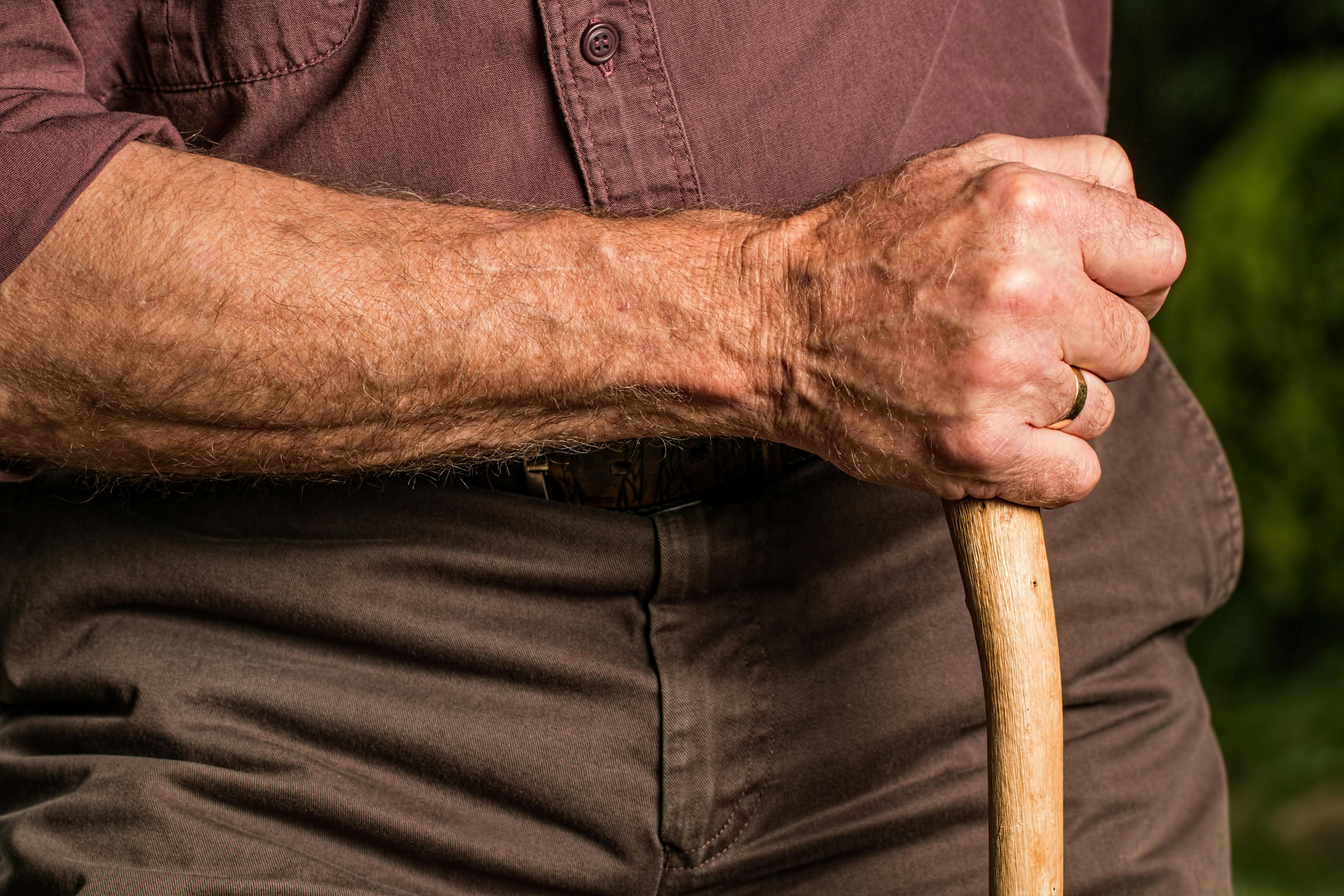
Older men - Parkinson

ILF brain training for Parkinson's disease

Legarda et al. also mention ILF brain training as a non-pharmacological and non-surgical option for the treatment of motor symptoms. This form of neurofeedback can also be used to address cognitive comorbidities, such as attention disorders, anxiety, memory loss, etc. Furthermore, the authors assume that, in addition to an increased resilience of the brain, postural instabilities can also be improved through ILF neurofeedback training.


The innovative character of ILF training is that it predominantly targets the subcortical networks to stimulate neuromodulatory effects towards homeostasis and therefore does not require conscious effort, which is necessary with traditional neurofeedback methods. In this way, ILF brain training promotes the "automation of motor systems" in a natural way. Patients experience positive effects immediately after the first training session, which last for around 48-72 hours. Nevertheless, regular training sessions are required to consolidate the training effects achieved and the reduced symptom burden.


Case studies


To illustrate how ILF neurofeedback can help people diagnosed with Parkinson's disease, the authors also present three case studies of patients:
The first profile presents a 77-year-old woman who requires a walking aid to mobilize due to tremendous difficulty walking and uncontrolled tremors. After she has completed a total of 40 ILF neurofeedback sessions, both her tremor and her walking difficulties have reduced.

The second person mentioned is a 63-year-old university lecturer with speech and swallowing disorders. She was able to control her symptoms well through consistent speech therapy. Over the next 10 years, however, she developed both a tremor and pronounced dysgraphia, which is why drug therapy was initiated. After she began ILF brain training, an improvement in writing skills was noted. After 50 neurofeedback sessions, she was able to maintain the improvements in her writing skills on her own.

The third patient profile presents the case of a 76-year-old lawyer who suffered a cerebral hemorrhage due to cerebral amyloid angiopathy. The patient was well controlled by drug treatment. Over the next five years, his condition progressively worsened and he became immobile and completely dependent on a wheelchair. After starting neurofeedback, he was able to get around with the help of walking aids. By regularly attending neurofeedback sessions, the aim is to consolidate the effects learned.


References: 
Booth, H., Hirst, W., and Wade-Martins, R. (2017). The role of astrocyte dysfunction in Parkinson’s disease pathogenesis. Trends Neurosci. 40, 358–370. doi: 10.1016/j.tins.2017.04.001
Garcia-Ruiz, P., and Espay, A. (2017). Parkinson disease: an evolutionary perspective. Front. Neurol. 8, 157. doi: 10.3389/fneur.2017.00157.
DeMaagd, G., and Phlip, A. (2015). Parkinson’s disease and its management. Pharm. Therap. 40, 504-510, 532.
O’Keefea, J., Vogelb, R., Laviec, C., and Cordain, L. (2011). Exercise like a huntergatherer: a prescription for organic physical fitness. Prog. Cardiovasc. Dis. 53, 471–479. doi: 10.1016/j.pcad.2011.03.009.


Subscribe to Research & Studies