The "Tatort" Episode "Murot and the Elephant in the Room": What it Claims About Neurofeedback and Why It Is Wrong

28. January 2026

In the Tatort episode Murot und der Elefant im Raum (Murot and the Elephant in the Room), neurofeedback appears not as a form of therapy, but as a narrative device. The film uses "neurofeedback" as a label. The term lends an air of medical legitimacy to a completely fictional technology, even though the effects depicted have nothing to do with the actual method.

The Plot
Inspector Felix Murot is under severe psychological strain and is undergoing therapeutic treatment alongside his investigative work. This involves a technical-looking apparatus described as an "advanced development" of neurofeedback, which allegedly allows a person to enter their own internal psychological space and penetrate the subconscious.

Simultaneously, Murot is investigating a missing person's case. A woman has kidnapped her young son and retreated to a remote forest cabin. After an accident, she falls into a coma. The child's location is unknown, and traditional investigative methods fail to yield results. The film links these two levels. Murot uses the apparatus to confront his own psyche and later to enter the consciousness of the comatose mother by having both parties wear electrode caps. The idea of connecting two people to enter one person's subconscious is presented as a new, previously untested expansion of the technology. This inner world is staged as a surreal, physical space. Murot discovers clues that ultimately lead to the child's rescue. In parallel, conventional investigations also succeed, and the child is found alive.

Why the Depiction of Neurofeedback Is Not Realistic
The term "neurofeedback" linguistically categorizes the shown technology within a medical-therapeutic context without explaining how it actually works. During the application, Murot twitches convulsively; after his stay in the comatose woman's internal psychological space, he appears disoriented, shows hallucinatory symptoms, and later nearly causes a traffic accident.

The staging is reminiscent of neurological emergencies, overstimulation, and loss of control. While neurofeedback is not explicitly labeled as dangerous, it is visually linked to physical collapse and risk. For experts, this depiction is clearly recognizable as fiction; however, for a lay audience, it can lead to a false understanding of a real therapeutic procedure.

In reality, neurofeedback records brain activity and translates it into feedback that supports self-regulation processes. Seizures, disorientation, or hallucinatory states are medical emergencies, not therapeutic effects. Furthermore, it is impossible to read another person's thoughts or "enter" their subconscious. The depiction in the film is therefore not a simplified version of reality, but a fundamentally different construction that attributes properties to a real procedure that it simply does not possess.

Conclusion
The term "neurofeedback" is used to lend credibility to a fictional technology. This is precisely why it is important to contextualize this depiction and clearly name it for what it is: fiction using real vocabulary, not the representation of a therapeutic procedure.
 

On the Death of Matt Fleischman, Founder of the Neurofeedback Advocacy Project

09. February 2026

It is with great sadness that we learned of the death of Matt Fleischman, founder of the Neurofeedback Advocacy Project (NAP).
Matt was not only the initiator of the Neurofeedback Advocacy Project, which he shaped with great clarity, perseverance, and personal conviction. He was also an extraordinary person. His death leaves a void that is deeply felt by us, not only professionally, but above all on a personal level.

Matt Fleischman worked as a licensed psychologist with a doctoral degree in Eugene, Oregon. Throughout his professional life, he worked at the intersection of behavioral therapy, neurofeedback, and healthcare systems. As a principal investigator, he was involved in a project funded by the National Institute of Mental Health in which family-based treatment programs were implemented in social service settings.

Matt first encountered neurofeedback in the late 1980s. In the decades that followed, he explored a wide range of neurofeedback approaches and their integration into therapeutic practice. He taught and lectured in the United States and internationally, and remained consistently committed to the practical and responsible use of neurofeedback-based methods.

In his memory, we would like to share the story of the project that was particularly close to his heart.

The Founding of the Neurofeedback Advocacy Project
Matt founded the Neurofeedback Advocacy Project in 2018 after retiring from active clinical practice. His goal was clear: neurofeedback should be made available where the need is greatest – in social service institutions. He was not focused on short-term effects, but on building sustainable structures and a solid foundation for decision-making in the practical delivery of care. To make the benefits of neurofeedback understandable and verifiable, he emphasized the systematic collection of data from real-world practice from the very beginning.

To support this effort, Matt developed the Results Tracking System. It enables clinicians to document relevant progress and outcome information in a structured way. This data foundation was central to him, as it made practical experience visible and allowed the effects of neurofeedback in social service settings to be assessed in a well-grounded manner.

Collaboration with BEE Medic
Since December 2020, BEE Medic and the Neurofeedback Advocacy Project have worked closely together, particularly in the areas of data analysis and project development. Matt advanced the project with perseverance, clarity, and great personal commitment. The regular exchanges were marked by respect, openness, and a shared commitment to developing meaningful and responsible solutions. Over time, this collaboration grew into not only a professional partnership, but also a personal bond. 

Results and Impact of the Project
Publicly available analyses from the Neurofeedback Advocacy Project’s Results Tracking System show meaningful changes across several areas that are particularly relevant to social service settings. The data are based on systematically collected self-assessments and progress documentation from participating institutions. Among other findings, the reports indicate reductions in the severity of identified problem areas as well as improvements in emotional regulation and behavior. Changes are also observed in areas such as school-related behavior, substance relapse, emergency care utilization, and hospitalizations. These results highlight the potential of neurofeedback-based interventions in addressing complex challenges such as trauma, chronic stress, and multiple psychosocial risk factors. Systematic data collection makes it possible to contextualize and further develop the use of neurofeedback in social care environments.

Continuation of the Project
The Neurofeedback Advocacy Project will continue. In the fall, Colette Melancon was appointed Executive Director. We are very pleased that she has taken on this role and will continue the work of the project.

Farewell
With Matt Fleischman, we lose the founder of the Neurofeedback Advocacy Project and a person who influenced many through his integrity, energy, and humanity. His commitment and approach live on in the project he built.

Further information:
https://www.neurofeedbackadvocacyproject.com/
 

Neurofeedback in physical therapy—a recommended read

01. October 2025

Charlotte Wolf is a physical therapist and alternative practitioner. She has been working with neurofeedback since 2017. In her own practice, she uses ILF neurofeedback according to Othmer both as a standalone method and in combination with her existing therapeutic procedures.

In an interview with pt-Zeitschrift magazine, she provides exciting insights into her work with neurofeedback. She explains which patients she uses this method for, how the treatment is received, and how she specifically integrates neurofeedback into her daily practice.

The full interview can be found in the September issue of pt-Zeitschrift.
Please be aware that the article is in German.


Discover the Future of Neurofeedback at ACAN 2025 in Tenerife

07. October 2024

Exciting news for professionals in applied neurofeedback: the Annual Conference for Applied Neurofeedback (ACAN) 2025 is officially set! Taking place from May 30-31, 2025, in stunning Tenerife, Spain, this event will gather experts and innovators from around the globe. Organized in partnership with NeuroVitalia and BEE Medic, ACAN 2025 offers a unique opportunity to expand your network, gain insights through workshops, and learn from industry leaders. Whether you’re a seasoned practitioner or new to the field, this conference is not to be missed.

Get your ticket at acan.beemedic.com

ACAN 2025

If you are involved in research or have exciting findings to share, don't miss the chance to present your work! Submit your abstract by 1 November and help shape the future of neurofeedback.


Neurofeedback from home - a sensible option?

26. March 2025

Neurofeedback is an effective and evidence-based therapy method for the treatment of various mental illnesses. Neurofeedback devices for home use are increasingly available on the market. And we are also receiving more and more enquiries from private individuals.


Home-use neurofeedback equipment
BEE Medic is a leading manufacturer of neurofeedback equipment specifically designed for use in clinical and therapeutic environments. Our devices are certified to strict medical standards and undergo extensive quality assurance processes to ensure the highest levels of accuracy and safety.

However, devices sold for home use by individuals often do not achieve the diagnostic and therapeutic precision of professional systems. In addition, they are often not certified to medical standards. For effective and safe neurofeedback, we advise against non-certified home equipment.


Self application of neurofeedback
In addition, the use of neurofeedback should be in the hands of a healthcare professional - a doctor or therapist who has received appropriate training. Neurofeedback is a treatment that requires complex clinical decision-making and excellent clinical skills to be effective, so it is essential that neurofeedback is only administered by mental health professionals. A comprehensive training programme is required to ensure that practitioners are prepared to provide neurofeedback services.

Neurofeedback is a treatment that is largely free of side effects. In rare cases, however, side effects such as headaches, nausea or palpitations can occur. This is known as maladaptation. The effects are usually very short-lived and are controlled by the therapy - unless the incorrect exercise is continued for a longer period of time. Inappropriate training can make symptoms worse rather than better. Therefore, treatment should only be carried out by appropriately trained neurofeedback professionals who can adjust training protocols in the event of side effects.

Our approach: Professional neurofeedback equipment with therapeutic support 
To ensure safe and effective neurofeedback treatment, we strongly advise against the use of uncertified home-use equipment and recommend therapy with a trained provider.

Are you a patient interested in neurofeedback therapy?
Visit the Neurofeedback Network website for more information and a therapist locator to find neurofeedback providers in your area.
 

ACAN 2025 - Become part of the Neurofeedback community

04. March 2025

The 3rd Annual Conference for Applied Neurofeedback (ACAN 2025) will be held on 30 and 31 May 2025 in Tenerife, Spain. This event serves as a premier gathering for practitioners and researchers to exchange knowledge, showcase innovative research, and build meaningful connections within the neurofeedback community.

The conference offers a diverse programme of insightful presentations from internationally renowned experts. Designed for both experienced professionals and those new to neurofeedback, the conference aims to provide a comprehensive overview of modern research and clinical practice.

ACAN will feature esteemed speakers such as Dr. Siegfried Othmer, Sebern Fisher,Roxana Sasu and Meike Wiedemann, among others. These experts will share their latest findings and insights, contributing to a rich learning experience for attendees. Their contributions promise to enrich the learning experience for all attendees, covering a broad spectrum of clinical applications, case studies, and practical methodologies.


Networking in an international setting
Besides learning and expanding your knowledge, ACAN has one major goal: to bring the Neurofeedback community together. The conference provides a unique opportunity to connect with professionals, researchers, and practitioners from around the world. Attendees will be able to share experiences, discuss best practices, and collaborate on future projects, all while forming meaningful relationships in a welcoming and engaging environment. In addition to networking during sessions, attendees can also take advantage of informal opportunities, such as social gatherings and the group excursion to Mount Teide on the second day.
Whether you are looking to deepen your expertise or find potential collaborators, ACAN 2025 is the ideal setting to grow your professional network and be part of an international movement in neurofeedback. 
 

ACAN 2024
ACAN 2024
ACAN 2024
ACAN 2024

Explore Tenerife
Beyond the conference, attendees can take the opportunity to explore Tenerife, the largest of the Canary Islands. The island is renowned for its warm climate, volcanic sand beaches, and vibrant nightlife. From the majestic Teide volcano—the highest peak in Spain—to lush forests and picturesque coastal towns, Tenerife offers a diverse and breathtaking landscape to discover.


Registration Details
ACAN 2025 promises to be an enriching experience, offering valuable insights into applied neurofeedback and opportunities to connect with professionals from around the world.
Tickets can be purchased on the ACAN website. To purchase a ticket, please complete the registration form. The bank details will be sent to you via email after the form has been completed. 
 

Men and mental health: a taboo that needs to be broken

20. November 2024

Although mental health is getting more and more attention, one aspect is often neglected: men's mental health. The traditional idea that men have to be ‘tough’ and must not show weakness often leads to men ignoring mental health problems and rarely seeking help (Krumm et al., 2017). The effects can manifest in men in the form of depression, substance misuse and an alarmingly high suicide rate. (Canetto & Sakinofsky, 1998).

Why men often do not seek help
Social expectations and cultural norms have an enormous influence on men's behaviour, especially when it comes to admitting weaknesses. Men experience strong societal pressure to conform to characteristics that are considered masculine. These perceptions prevent many men from sharing their feelings or seeking professional help. In fact, research shows that men are less likely to seek psychological support compared to women, which can lead to untreated, often severe problems (Addis & Mahalik, 2003; Krumm et al., 2017).


Distraction instead of coping
In order to deal with psychological stress, many men resort to various strategies that are usually only partially effective (Mahalik et al., 2003; Levant & Wimer, 2014). Some men try to focus on solutions instead of dealing with their feelings and tackling the problem at its source. Others use distractions such as sports or work to escape the emotional pain. Unfortunately, this can also have negative sides: Repression and substance abuse are also common mechanisms that often exacerbate the condition (Levant & Wimer, 2014).

November becomes Movember
In addition to Men's Health Awareness Month in June, November is all about male mental health. Movember is a global initiative that draws attention to men's health issues such as mental health and prostate cancer. The moustache is the symbol for this movement, which is intended to become a topic of conversation and stimulate reflection. The message behind it is clear: men are not alone with their problems and health should not be a taboo subject.


How neurofeedback can help
Neurofeedback is a non-invasive therapeutic approach in which brainwave activity is measured to provide real-time feedback to the patient. Neurofeedback is mainly used in therapy to improve the ability to self-regulate. This approach means that neurofeedback can be used as a therapy component for many different mental illnesses. For example, it can also be used for depression or addiction. Experience shows that neurofeedback can also be an attractive therapy method for people who have problems opening up and talking about their feelings. Neurofeedback brings a certain lightness to the therapy, in which patients do not have to actively perform, but can relax and follow an animation or a video game.


Neurofeedback should always be seen in the context of an overall treatment strategy. It represents a therapy component alongside, for example, behavioural therapy or medication. It is important that symptoms and neurofeedback treatment are discussed with a doctor or therapist.
 

Sources:

Addis, M. E., & Mahalik, J. R. (2003). Men, masculinity, and the contexts of help-seeking. American psychologist

Canetto, S. S., & Sakinofsky, I. (1998). The gender paradox in suicide. Suicide and Life‐Threatening Behavior

Krumm, S., Checchia, C., Koesters, M., Kilian, R., & Becker, T. (2017). Men's views on depression: a systematic review and meta-synthesis of qualitative research. Psychopathology

Levant, R. F., & Wimer, D. J. (2014). Masculinity constructs as protective buffers and risk factors for men’s health. American journal of men's health
 

World Mental Health Day Spotlight: Transforming Lives Through Neurofeedback

10. October 2024

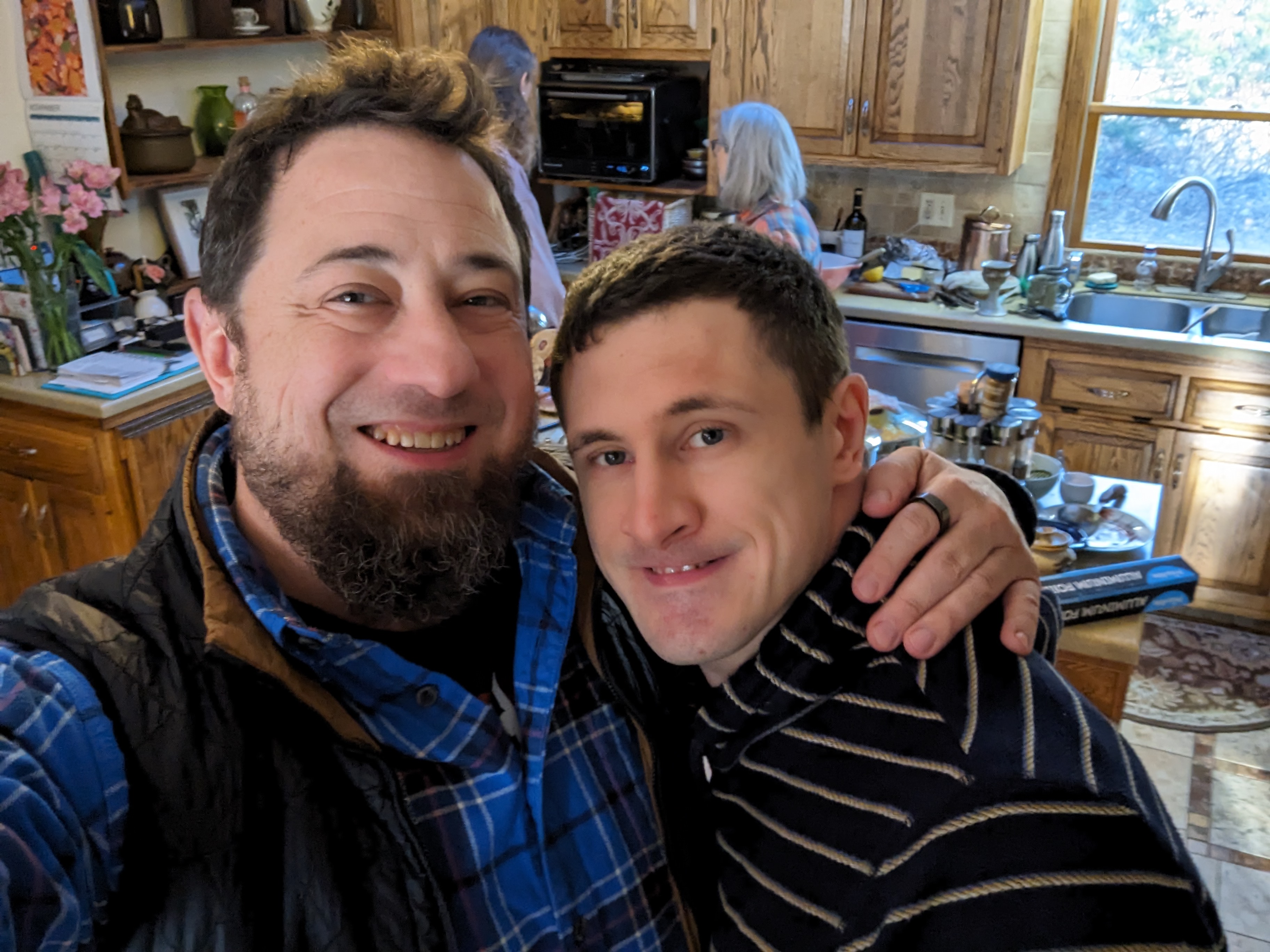
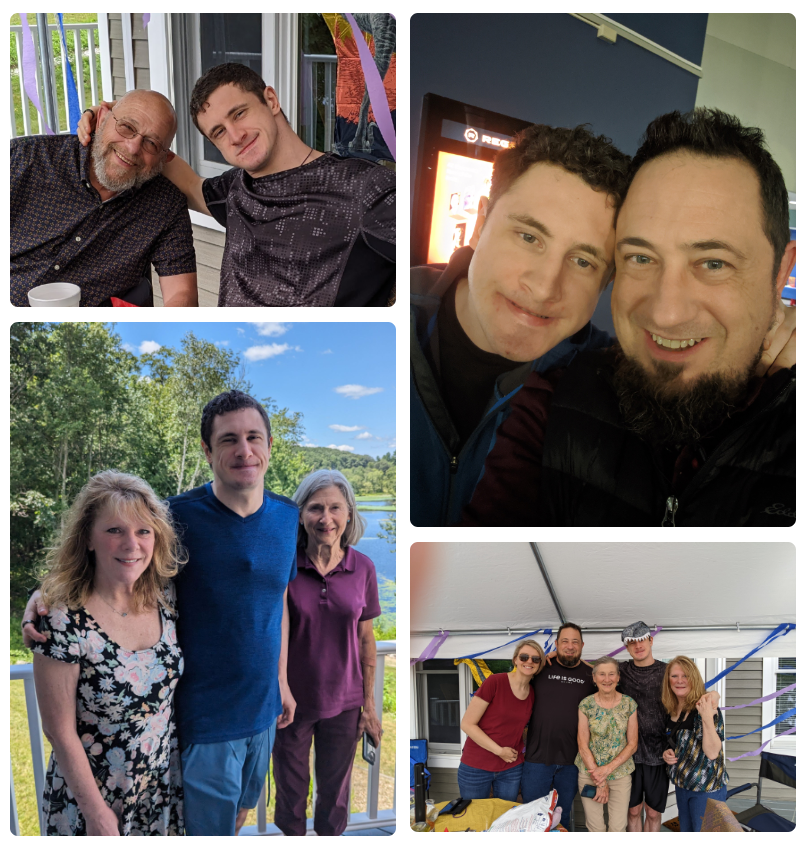
On this World Mental Health Day, we are honored to share a special success story that highlights the transformative impact of neurofeedback therapy. This day serves as a powerful reminder of the importance of mental health and how innovative therapies like neurofeedback are making a real difference in the lives of individuals worldwide. Join us in raising awareness and supporting mental wellness as we celebrate the remarkable journey of Adam McCord.

Adam 3
Adam Collage
Adam 2

Adam, a 31-year-old who has faced significant mental health challenges throughout his life, struggled with episodes that left him unable to engage with the world around him, often confined to bed for weeks at a time. Despite seeking help from numerous medical professionals and trying various treatments, little relief came his way—until neurofeedback entered his life. 

Thanks to the dedication of Adam’s father, Lone McCord, and the guidance and support of neurofeedback specialist Kim Antonell, Adam began neurofeedback therapy using BEE Medic equipment in 2019. They have followed the Othmer method, using ILF (Infra-Low Frequency) and Synchrony protocols. Adam’s primary treatment sites have been T3-T4 and T4-P4, with recent success at O1-O2 and C3-C4. The team has also experimented with additional sites, like T4-Fp2, T3-Fp1, to further optimize his therapy. Most recently using Pz - Fpz in three sessions has really calmed him down. 

A key aspect of Adam’s neurofeedback journey is his engagement with the animations during sessions. One of his favorites is the "Dark City" animation in Dreamscapes. "I don’t know why, but he always wants to do it," Lone shares. Using the controller during this animation has greatly improved Adam’s focus, a crucial factor in his treatment success. Along with Dreamscapes, Adam enjoys sessions with the Media Player, InnerTube, and Particle World. To keep his interest high, they’re also exploring new options, such as Arcade and driving games.

When the pandemic hit, Adam’s family continued his neurofeedback therapy at home, thanks to Kim's generosity in providing them the equipment. This at-home treatment proved transformative, offering Adam consistent therapy without the distress of leaving home. Over time, Adam became medication-free, and his quality of life improved dramatically. "This is just an unbelievable tool set that BEE Medic continues to innovate and improve," says Lone. Adam's progress has been remarkable. At first, getting him into the clinic for treatment could take hours, but after just a few sessions, the changes in his engagement with the world became strikingly clear. As his treatment continued, Adam's overall well-being improved significantly, enabling him to regain much of the independence he had lost. Notably, after just 10 sessions, his lifelong drooling ceased completely, marking a major milestone in his journey.  

This year, after a brief pause in neurofeedback, Adam faced a resurgence of some of his previous challenges, including emotional tension that he struggled to process. However, once they resumed treatment at lower frequencies, Adam’s progress was remarkable once again. "Part of the result was an incredible gentleness with his hands. He was able to express his emotions," Lone shares. "Also, his sleep had become very dysregulated. Within those 10 recent sessions, we were able to get him sleeping normally again." His communication is clearer, his eye contact has returned, and his overall engagement with his surroundings has significantly improved.

Neurofeedback has not only transformed Adam’s life but has also profoundly impacted his father, Lone McCord. "Because of Neurofeedback and diet changes, I have been able to gather myself and create a successful career," Lone shares. He explains that neurofeedback helped him overcome intense trauma and debilitating ADHD. "I went from being extremely functional about 20% of the time to very functional 90% of the time," Lone continues. With neurofeedback, Lone has found the tools to thrive both personally and professionally, making a lasting impact on their entire family.

As we mark World Mental Health Day, Adam’s story is a powerful reminder that mental health challenges can be addressed with the right support and innovative solutions. Neurofeedback has the potential to help individuals like Adam who have struggled with severe mental health issues, offering new hope and avenues for improvement when traditional methods fall short. At BEE Medic, we are committed to advancing neurofeedback technology to empower more people to take control of their mental well-being. Adam’s journey is just one example of the life-changing possibilities that neurofeedback can offer. On this important day, we encourage everyone to continue advocating for mental health awareness and to explore the cutting-edge solutions that are making a difference in lives around the world.

­

Integrative Mind and Body Provides Life-Changing Results for Another Satisfied Client

09. July 2024

BEE Medic Customer in the News!

Integrative Mind and Body Services (IMBS), is a new nonprofit located in Scranton, Pennsylvania. It was founded by Alyse Kerr, who also serves as president and CEO of Integrative Counseling Services (ICS).

Alyse founded the nonprofit due to the lack of insurance coverage for these services. IMBS, awaiting 501c3 approval, plans to offer services either free of charge or at a reduced rate, supported by grants and donations.

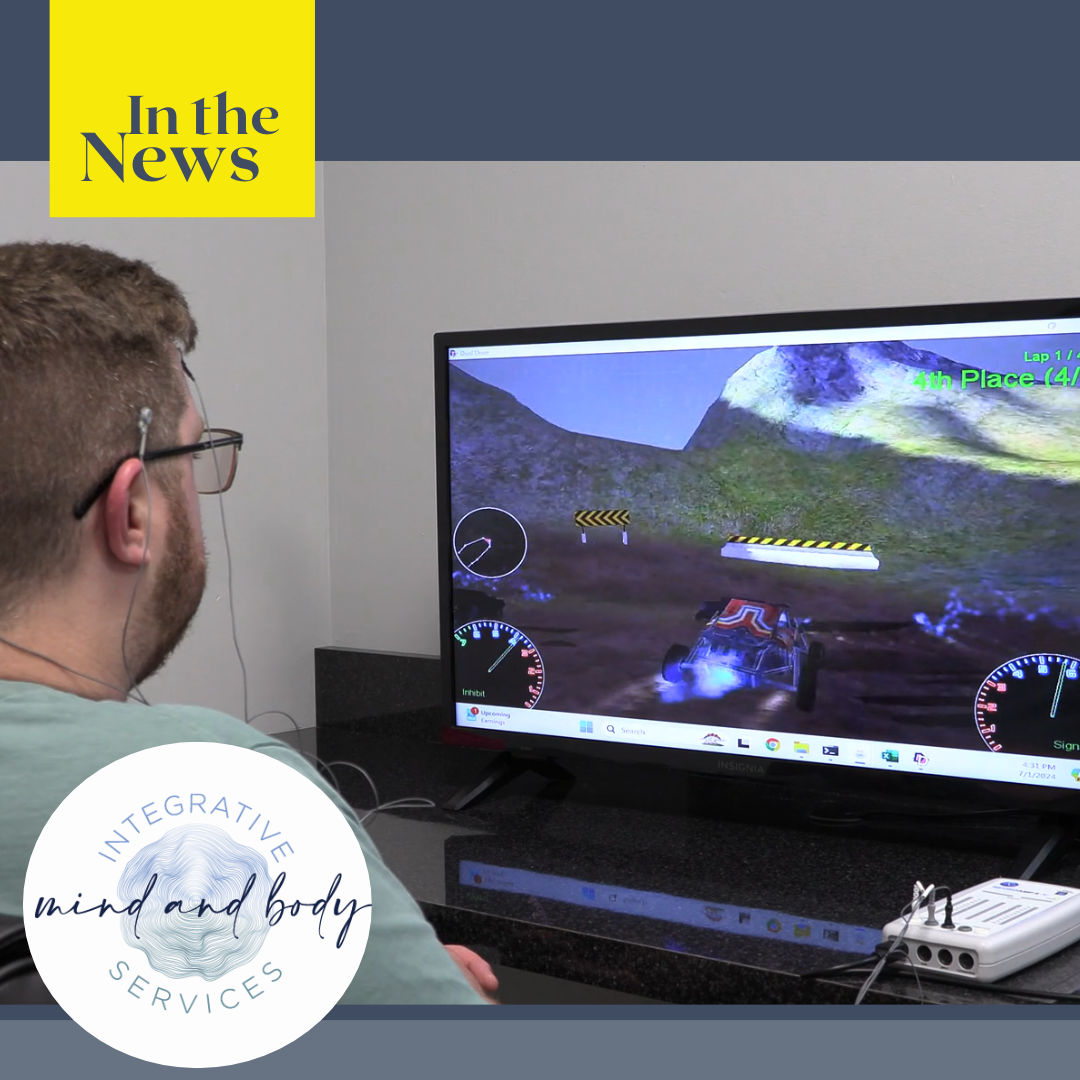
Last week, Integrative Mind & Body Services (IMBS) was featured on a local PBS station! They showcased the incredible power of neurofeedback, and the results are nothing short of amazing. One thrilled client even shared, "This has been life-changing." 

In the news

Pictured: Happy client playing Dual Drive Xtreme

Read Full Article & Watch Video Here

In memory of Barry Sterman

01. February 2024

Dr Barry Sterman was one of the pioneers of neurofeedback and is known for his groundbreaking work on the functioning of the human brain. 
After completing his doctorate in psychology and neuroscience at the University of California Los Angeles in 1963, Barry Sterman began his research. Among other things, he investigated the effect of a substance made from rocket fuel on cats on behalf of NASA. Almost all the cats suffered epileptic seizures, except those whose brains had previously been trained to produce more SMR rhythms. One of Sterman's co-workers, who also suffered from epilepsy, agreed to the experiment of training her brain with rewarding feedback on the desired EEG activity and was thus able to reduce her seizures. This self-experiment was published in 1972 and is considered the birth of clinical neurofeedback.

Barry Sterman

With this discovery, Barry Sterman paved the way for neurofeedback in its current form. His discoveries and tireless work have not only expanded our understanding of the brain, but have also enabled numerous applications in medicine.
Barry passed away last December at the age of 87. We remember him and his legacy with the greatest respect and appreciation.


picture source: LinkedIn

Subscribe to Current News