Neurofeedback case studies - Introduction to data collection and scientific work

12. June 2020

Learn in our 90-minute webinar how data collection can take place parallel to therapy and what added value and benefit this data has. The webinar is primarily intended to sensitize interested parties to case studies. Data and data collection in the research process are of great importance, because the data-supported decision about the success/failure of the therapy distinguishes a scientific from an intuitive approach.


neurofeedback_case studies

Therapists are motivated by us to focus more on data collection in a therapeutic context and thus facilitate data-based decisions on the success of therapy.

We want to minimize concerns of many therapists regarding the requirements and the process of scientific work and show possibilities how data collection can take place parallel to therapy and what added value and benefit these data have. For this purpose, we provide you with a template that facilitates this procedure. 

Johannes Spallek and Jennifer Mackert are your contact persons for questions regarding studies and study projects and offer their support. In addition, this webinar will point out already existing simple and efficient possibilities of data collection in the course of neurofeedback therapy (QIK and symptom tracking).
Expert panel: Feedback animations

19. May 2020

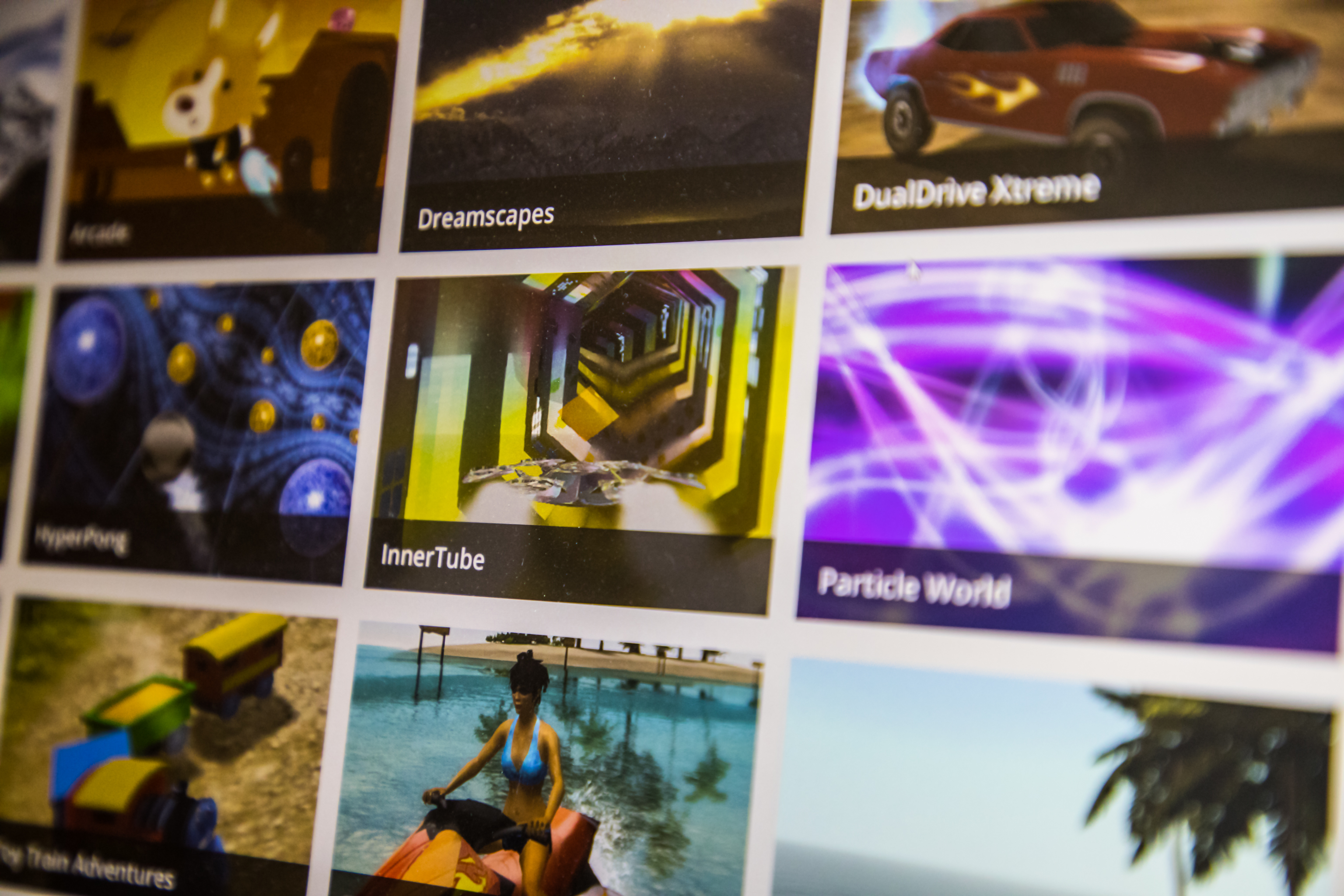
Which animation do I need for my practice? Which feedback variant is used most often and is most effective? If you have asked yourself these and other questions in the past, our new offer from the online expert panel is just right for you!

Neurofeedback Animations Overview
Neurofeedback training

As we are constantly receiving queries about our animations, we would like to invite you to a panel of experts with our lecturer Philippe Gauffriau! In this two-hour round we will present many of our animations in detail and answer your questions. Learn which animations are particularly suitable for which patient groups and which setting options are available. Become more confident in using Cygnet and the animations.

The course is aimed at all users of ILF neurofeedback therapy who have completed a basic course and have already treated some patients with the system. Expand your knowledge by the following points:

Overview of all available animations
Selection criteria of animations based on the target group
Demonstration of various animations
Setting options and customizability

The seminar is unfortunately in the past, a registration is no longer possible!

How to hook up electrodes for Neurofeedback self-training

08. April 2020

We all experience weeks of special challenges. Due to initial restrictions and cutbacks in public life, we all experience uncertainties and stressful situations. At the same time, new ideas emerge everywhere and some of us have something that is often neglected in the normal bustle of everyday life: more time! We would like to invite you to use this time for neurofeedback training.

Our lecturer Thomas Theis will show you how it works. Without further ado, he grabbed his camera and explains how to find the most important electrode positions on your own head for neurofeedback self-training and how to attach the electrodes to yourself. And with a little practice this is easier than you think.

Click here for the Video (in German)

Give it a go! Because regular practice is also important for experienced users. You will improve your Neurofeedback skills and gain more and more routine for assessing symptoms and deriving the electrode positions and treatment protocols. The nice thing about Neurofeedback according to Othmer is that we do learn by doing and through this constantly expand our skills.

Therefore, practice on yourself as often as possible and use Neurofeedback regularly for yourself as part of your self-care. Pay attention to yourself and your own mental health in stressful everyday life and stressful situations! This will benefit your clients and last but not least you personally.

By the way, self-awareness and self-training are also part of our certification. You can find all information about this on this website in the certification menu.

Many thanks to Thomas for the video and have fun practicing!

We are working on the subtitles, so that we can soon make the video available in other languages, too.

Stay healthy!

Protocol Guide available in 7th edition

20. April 2020

The Protocol Guide by Susan F. Othmer has been the indispensable standard work for all those who (want to) work with Neurofeedback according to Othmer.

The now current 7th edition contains clinical knowledge about the new extended ILF HD range, revised symptom profiles and the new ILF synchrony training.

ILF Neurofeedback, alpha-theta and synchrony training are explained in a clear and understandable way on the basis of theoretical principles of diagnosis and symptom profiles.

Readers will learn clearly which training frequencies and electrode positions are suitable for different indications and how these can be systematically expanded with ongoing therapy.


Indispensable reference book

The protocol guide is equally suitable as a reference book for experienced users and as an introduction to neurofeedback. It is suitable for anyone considering integrating Neurofeedback into their treatment spectrum. You will gain a profound insight into the theoretical principles and the practical symptom- and client-centered work that characterize this highly effective and individual Neurofeedback method.

We also recommend the protocol guide as a valuable reference book for your daily work during the preparation of a course, but at the latest after completion of a basic course. Clearly arranged and compact, it contains practical knowledge:

  • for the assessment of medical findings
  • for the recognition of patterns of misregulation
  • around symptom categories related to neurofeedback training variables
  • to all relevant indicators for starting positions and training frequencies
  • for performing 1- and 2-channel ILF neurofeedback and 1- and 2-channel alpha-theta neurofeedback
  • for 2-channel synchrony training as well as Alpha, Gamma and ILF synchrony training

It can also be used as an aid for communication with clients.

You can order the protocol guide from us immediately at a price of 179.00 Euro / 199.00 CHF plus VAT and shipping. Please use our contact form with subject "Protocol Guide".

Therapist's comments

"The Othmer method is an integral part of my therapeutic work. This technique is an invaluable aid in dealing with the various clinical diseases. The protocol guide has a fixed place on my desk and I consult it regularly".
Lina Guertin, MD, MBA,
Specialist in Psychiatry and Neurology, American Board of Psychiatry and Neurology, USA

"(...) The protocol guide has become an essential part of our treatment plans - an indispensable reference book in the field of Neurofeedback".
Dr. psych. Rick Harris, clinical psychologist, USA

"(...) Without neurofeedback I can no longer imagine my work. This procedure represents the most reliable and fastest acting measure for the permanent relief of massive PTSD symptoms. The growing ability for self-regulation, which I have observed in hundreds of cases, is simply revolutionary"
Dr. phil Anna Benson, clinical psychologist specializing in post-traumatic stress disorders, USA

"In my practice for neuropsychiatric integrative medicine I have tested various techniques of brain training. The technique that has clearly proven to be the most intuitive, practical and effective is the Othmer method. I have used it to help patients with a wide variety of diagnoses, including seizure disorders, brain injuries and autistic spectrum disorders. The protocol guide is one of my most valuable resources"
Doreen McMahon, MD, General Practitioner, USA


About Susan F. Othmer - in brief

Effective and modern Neurofeedback is inseparably linked to the name Susan Othmer. In the last 30 years she has personally worked with several thousand clients and trained more than six thousand doctors, psychologists and therapists in Neurofeedback according to Othmer. With her untiring commitment and her striving for ever more effective treatment protocols, she and her husband Siegfried Othmer have shaped the development of modern Neurofeedback like no other. From the beginning in the 1980s and the original work with standard protocols to ILF-HD Neurofeedback, alpha-theta and synchrony training, which enables individual, symptom-based and therefore highly effective neurofeedback.

More about the history and development of the Othmer method can be found in our timeline and here

Subscribe to Current News