Neurofeedback Basic Course Online
Course description
Learn everything you need to know to get started with Neurofeedback. From applying the electrodes, to operating the hard- and software up to the selection of the right treatment protocols, the creation of symptom profiles and the evaluation of treatment results - all conveniently online and directly with a colleague in your practice.
We provide the technical equipment if required - as a loan system or via favourable leasing offers. By live video conferencing will take you step by step into Neurofeedback introduced, learn theory and practice at particularly favourable conditions.
The course is especially suitable for beginners. But also if you have already attended a course with us and use the time now to refresh or repeat what you have learned - perhaps also together with colleagues who would also like to learn Neurofeedback.
Essential teaching content
- Technical basics of EEG and signal processing
- 10-20 System and electrode placements
- Self-regulation model and neuroplasticity
- Neurophysiological basics for understanding Neurofeedback effects
- Using Neurofeedback hardware and software and recognizing artefacts
- Recognizing patterns of misregulation related to physical, emotional and behavioural problems
- Neurofeedback protocols for clinical and peak performance applications
- Evaluation of symptoms and training progress
- Neurofeedback and medication
- Contraindications
- Progress monitoring and CPT - Continuous Performance Test
- Neurofeedback-Training: Experience yourself how fast and unique Neurofeedback effects can be
After the course you can
- Work safely with 2-channel ILF-Neurofeedback and support your clients sustainably with Neurofeedback
- Select and use treatment protocols specifically according to client and occasion
- Help clients to achieve better self-regulation and reduce symptoms of mental illness which usually creates benefits for further therapeutic interventions
- Benefit from a certain "lightness" that Neurofeedback brings into your daily therapeutic work
Course highlights
- 30% discount on the course price if you register together with a practicum partner
- Planning reliability and convenient learning from your own practice or from home
- Varied live online format including a high proportion of practicum
Online
Period of time
17.11.2025 – 21.11.2025
17.11.2025 08:30 – 19:00
18.11.2025 08:30 – 19:00
19.11.2025 08:30 – 18:00
20.11.2025 08:30 – 18:00
21.11.2025 08:30 – 16:00
Local time: Europe/Berlin
Your selected time zone
Price
1.290,00 EUR / 1.490,00 CHF / 1.240,00 GBP Limited discount offer -30%Included in the price
- Individual support in setting up the video conference and Neurofeedback equipment. Please note, this will be done prior to the course to ensure a perfect course start.
- Comprehensive course document with all presentations and worksheets
- Final exam with certificate
More Information
- The course is exclusively for health professionals and therapeutic users.
- You will do the practicum in pairs. So please register together with a colleague and you will both receive a 30% discount on the course price! Please follow the registration link below and you will receive further information on this promotion directly from the organiser.
- You will need neurofeedback equipment for the course - please contact us, we will find out together what suits you best.
Please register by 27. October 2025
Did you miss the registration deadline? Please contact us! We are happy to help you and will find a flexible solution!
Stay flexible! Cancellation or rebooking to another course is possible as long as the course documents and equipment have not been sent.
For registration and booking you will be redirected directly to the website of the organiser.
Language
- English
Lecturer
Organizer
For EU:
BEE Medic GmbH
Max-Porzig-Str. 1, 78224 Singen, Germany
For CH, UK and other non-EU countries:
BEE Medic GmbH, Switzerland
BEE Systems Ltd. UK
- [email protected]
- Phone: +49 7731 96969-70
- Phone: +41 71 575 79 62
- Phone: +44 1702 8200 06
Customer Stories: Dr. Dedalus Hyde & Pacific Neurofeedback
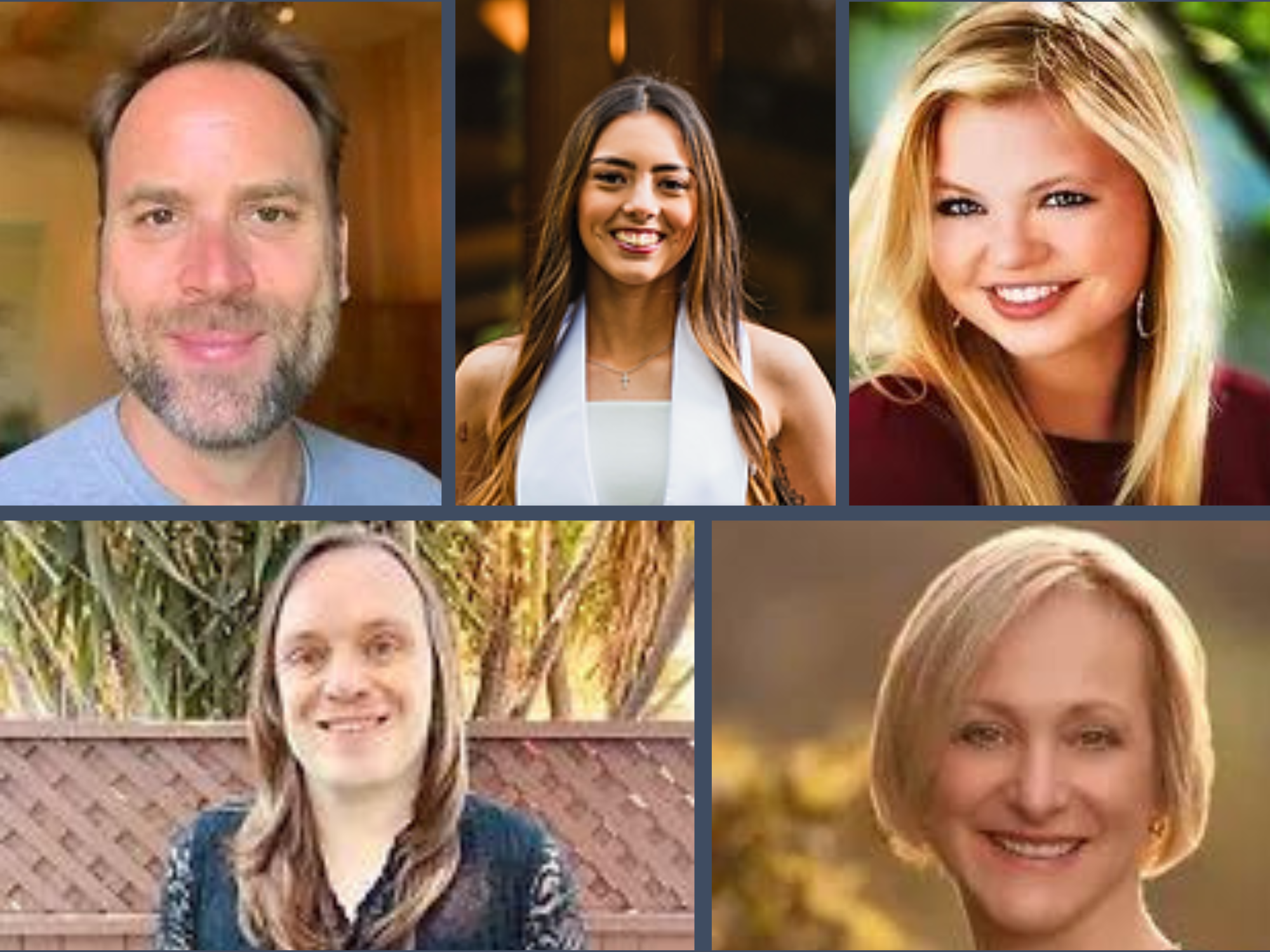
Meet Dr. Dedalus N. Hyde, Psy.D. and the Pacific Neurofeedback Team in Kentfield, CA!We are excited to feature Dr. Dedalus Hyde, MA, Psy.D., and Pacific Neurofeedback in this month’s customer highlight. Dr. Hyde, the founder and director of Pacific Neurofeedback, brings over 40 years of experience in mental health. He began his career counseling abused and emotionally disturbed adolescents before becoming a Clinical Psychologist specializing in trauma, depression, anxiety, and family therapy. Inspired by recent research on neurofeedback’s efficacy in treating trauma, he began offering neurofeedback to his clients after training with Mitch and Angelika Sadar of Sadar Psychological in 2022. Pacific Neurofeedback specializes in High-Frequency training, Infra-Low Frequency (ILF), Alpha-Theta neurofeedback, and qEEG assessments in collaboration with Shari Johansson. Since opening in June 2023, they’ve expanded to two treatment rooms, serving 48 clients, with significant reports of improved sleep, stress resilience, mental clarity, and emotional well-being.
“For the first time in a while, I don’t feel the deep unease and pain/self-hate like I had been.” “I honestly feel at ease. And as I write that it feels a little scary.” “Feeling overall good this week, easier to manage emotions, definitely not as anxious & if anxiety does come up, I can feel it’s already a little easier to manage.” “On Wednesday, I was in the best mood I've been in in years. There was a road raging dingus on my way home from work and I just laughed & it didn’t phase me whatsoever (where normally I would have engaged and gotten very mad).” “I wake up feeling at peace for the first time in my life.”
Dr. Hyde reflects on his experience with BEE Medic products: "After researching extensively, BEE Medic stood out for its design and technology. The strong endorsement from Mitch and Angelika Sadar was a key factor for me. Their support team has been incredibly responsive, and the equipment has performed beautifully. Overall, we’re very pleased with BEE Medic’s products and support.” |
At Pacific Neurofeedback, our goal is to provide the most current and empirically validated forms of this revolutionary training in a professional, supportive and healing environment. We invite you to explore our website to learn more about us, and more about how neurofeedback can improve your brain functioning, leading to an increased sense of calm and relaxation, a reduction in symptoms, and an improvement in cognitive and physical performance.
Get In Touch
Phone: 415-460-7300
Email: [email protected]
Website: pacificneurofeedback.com
Charlotte Wolf
Profile
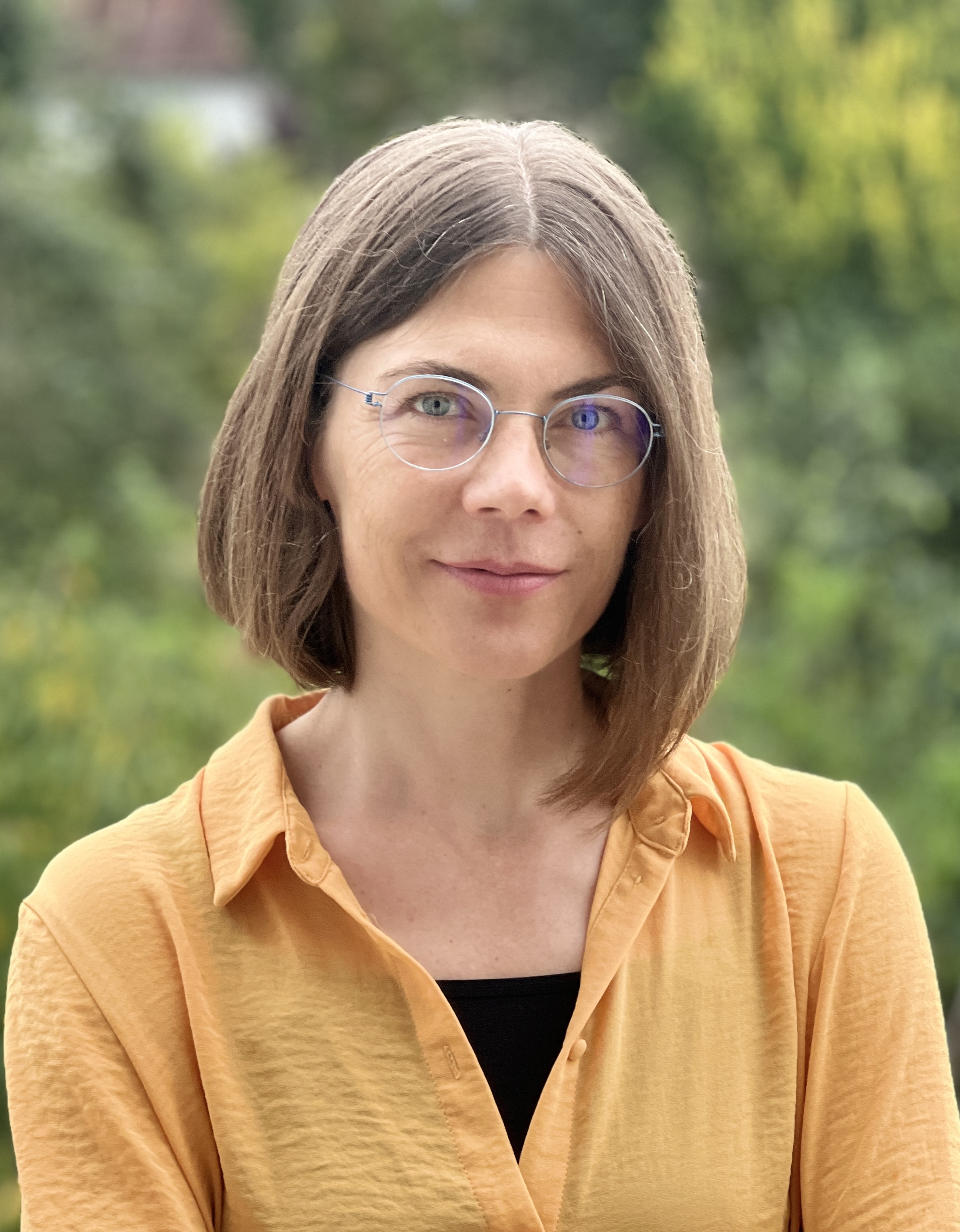
Charlotte Wolf is an alternative practitioner and physiotherapist.
After completing her parallel training as a physiotherapist and state-certified gymnastics teacher, along with basic physiotherapy continuing education, she pursued further specialization in Orthopedic Manual Therapy (OMT).
Through various additional courses and after obtaining her alternative practitioner license, her professional path led her to neurofeedback.
In her private practice, she applies ILF neurofeedback according to Othmer, either on its own or in combination with her previously acquired therapy methods. She gained additional experience offering neurofeedback within a broader spectrum while working in a child and adolescent psychiatric practice.
Experience with neurofeedback
- Works with Neurofeedback since 2017
Course portfolio
- Info-Webinars
Languages
- German
QEEG Course
Course description
Acest curs oferă o introducere în domeniul psihofiziologiei aplicate în practica clinică și explorează utilizarea abordărilor neurotehnologice în evaluarea funcționării creierului în contexte clinice. Participanții vor dobândi cunoștințe practice despre Analiza Funcțională a Creierului, EEG cantitativ (QEEG sau Brain Map) și modalitățile de generare a unui raport QEEG complex pentru utilizare în context clinic.
Fiecare participant va realiza o înregistrare EEG în partea practică a cursului, utilizând echipamentul pus la dispoziție de organizatori.
Baza de date HBImed (Human Brain Index) este cea mai solidă bază de date din lume, fiind dezvoltată de celebrul profesor Juri Kropotov. HBImed este singura bază de date care deține aprobarea CE clasa II în EU și FDA clasa II în SUA.
Toți participanții vor primi acces la software-ul pentru procesarea semnalelor neurobiologice: WinEEG.
Essential teaching content
Modul 1
- Bazele psihofiziologiei aplicate în context clinic.
Modul 2
- Fundamente teoretice.
Modul 3
- Procesarea semnalelor neurobiologice.
Modul 4
- Baze de date normative utilizate pentru compararea funcționării cerebrale cu standardele populaționale.
Modul 5
- Indicatori funcționali ai activității cerebrale (Biomarkers).
Modul 6
- Protocoale individuale de neurofeedback.
Online
Period of time
07.11.2026 – 08.11.2026
14.11.2026 – 19.11.2026
21.11.2026 – 22.11.2026
Local time: Europe/Bucharest
Your selected time zone
Details
Module online
7-8 noiembrie 2026
Orele: 10:00 – 16:00
14-15 noiembrie 2026
Orele: 10:00 – 16:00
Modul Practic - București
21 noiembrie 2026
Orele: 09:00 – 18:00
22 noiembrie 2026
Orele: 09:00 – 18:00
Price
985 EURMore Information
Cine se poate înscrie la cursul de QEEG?
- Absolvenții cursului de practician în Neurofeedback ILF (cursul de bază).
- Profesioniștii din domeniul medical și al sănătății mintale: psihologi, psihoterapeuți, medici, asistenți medicali, logopezi, fizioterapeuți, kinetoterapeuți, farmaciști și asistenți sociali cu pregătire în psihoterapie.
Language
- Romanian
Lecturer
Organizer
Neurofeedback Romania Institute
040101 Bucharest
Romania
register*
Print course description
*By clicking on "register" you will be forwarded directly to the organizer of the course for booking. The organizer is also responsible for course organisation and invoicing.