Neurofeedback Vertiefungstag - Grundlagen
Course description
In den (Online) Grundkursen durch einen von uns akkreditierten Fortbildungsanbieter lernen Sie alles, um direkt mit Neurofeedback starten zu können. In der Anwendung können jedoch gerade in der Anfangszeit weitere Fragen aufkommen. Um Sie in dieser wichtigen Phase zu unterstützen, bieten wir diesen eintägigen Kurs an, der Ihnen „Starthilfe“ für Ihre tägliche Praxis gibt.
Der Kurs bietet den Rahmen, aufkommende Fragen zu stellen und durch den Austausch mit Lehrkräften und anderen Teilnehmenden konkrete Hilfestellungen zu erhalten. Der Kurs ist ideal für Sie, wenn Sie nach dem Grundkurs erste Erfahrungen mit Klienten gesammelt haben.
Essential teaching content
Der Workshop umfasst folgende Themenblöcke, die je nach Interesse der Teilnehmenden flexibel gewichtet werden:
- Frequenzsuche und Frequenzanpassung: Techniken zur effektiven Suche und Anpassung der Trainingsfrequenzen sowie die Erkennung und Interpretation von Veränderungen und Effekten im Training.
- Elektrodenpositionierung: Techniken zum Hinzufügen und Anpassen von Elektrodenpositionen, Erkennen des Veränderungsbedarfs im Training sowie die Zuordnung von Symptomen zu den Start- und Grundpositionen.
- Symptommanagement und Therapieerfolg: Einordnung von Symptomen der Über- und Untererregung, Unterscheidung zwischen Erregung und Erregbarkeit sowie Umgang mit ungünstigen Reaktionen auf das Neurofeedbacktraining und realistische Erwartungshaltung zum Therapieerfolg.
After the course you can
- Erweiterte klinische und technische Herausforderungen während der praktischen Arbeit souverän bewältigen.
- Selbstbewusst und effektiv mit Patientinnen und Patienten arbeiten, indem Sie auch komplexe Symptome analysieren, passende Therapiestrategien entwickeln
- Ihre eigene Erwartung und die Ihrer Patientinnen und Patienten realistisch einordnen
Course highlights
- Flexibles inhaltliches Programm, bezogen auf die Teilnehmenden und ihre Bedürfnisse
- Raum für individuelle Fragen
- Praxisnahe Inhalte, die Sie unmittelbar in der täglichen Anwendung nützen können
Online
Period of time
19.02.2027
19.02.2027 09:00 – 17:00
Local time: Europe/Berlin
Your selected time zone
Price
260,00 EUR / 260,00 CHF / 250,00 GBPIncluded in the price
- Kursmanual mit allen Präsentationen und Arbeitsblättern als PDF-Datei zum Download
- Zertifikat
More Information
Voraussetzung für die Teilnahme:
- (Online-) Grundkurs in Neurofeedback von durch uns akkreditierten Fortbildungsinstituten
- erste praktische Erfahrung mit ILF-Neurofeedback (nicht zwingend, aber von Vorteil)
Gut zu wissen
- Sie benötigen kein Neurofeedback-Equipment während des Kurses.
- Diesen Onlinekurs können Sie einzeln absolvieren. Sie brauchen keine Praktikumspartnerin oder -partner.
Bitte um Anmeldung bis 05.02.2027
Language
- German
Lecturer
Organizer
For EU:
BEE Medic GmbH
Max-Porzig-Str. 1, 78224 Singen, Germany
For CH, UK and other non-EU countries:
BEE Medic GmbH, Switzerland
BEE Systems Ltd. UK
- [email protected]
- Phone: +49 7731 96969-70
- Phone: +41 71 575 79 62
- Phone: +44 1702 8200 06
register*
Print course description
*By clicking on "register" you will be forwarded directly to the organizer of the course for booking. The organizer is also responsible for course organisation and invoicing.
Neurofeedback Grundkurs Online
Course description
Tauchen Sie ein in die Welt des Neurofeedbacks und erlernen Sie alles Wesentliche für einen erfolgreichen Start – bequem online und direkt von Ihrer Praxis aus. Erfahrene Dozenten - selbst ausgewiesene Praktiker mit umfassendem therapeutischen Know-How - führen Sie per Videokonferenz Schritt für Schritt theoretisch und praktisch in die Materie ein: Vom korrekten Platzieren der Elektroden über die Bedienung der Software bis hin zur Auswahl der geeigneten Behandlungsprotokolle für Ihre Klienten.
Live Online-Vorträge und lebendige Diskussionen werden durch praktische Übungen ergänzt, die Sie direkt in Ihrer Praxis oder zu Hause durchführen können. Das technische Equipment für das Neurofeedback Praktikum stellt Ihnen BEE Medic bei Bedarf zur Verfügung. Während des gesamten Kurses stehen Ihnen erfahrene Lehrpersonen sowie technischer Support als feste Ansprechpartner zur Seite.
Schauen Sie sich gerne unser Video an mit Erklärungen zum Ablauf des kompletten Kurses: So funktioniert unser Online Neurofeedback Grundkurs
Da Sie das Neurofeedback Praktikum zu zweit absolvieren, melden Sie sich bitte gemeinsam mit einer Fachkollegin oder einem Kollegen an.
Der Kurs richtet sich primär an Einsteiger, ist aber auch hervorragend geeignet, um bereits erworbenes Wissen aufzufrischen oder zu vertiefen. Nach dem Kursbesuch stehen wir Ihnen mit verschiedenen Angeboten als Unterstützung bei der täglichen Arbeit zur Seite.
Essential teaching content
- Technische Grundlagen des EEG und der Signalverarbeitung
- 10-20 System und Elektrodenplatzierungen
- Selbstregulierungsmodell und Neuroplastizität
- Neurophysiologische Grundlagen zum Verständnis von Neurofeedback-Effekten
- Umgang mit Neurofeedback-Hardware und Software sowie Artefakte erkennen
- Muster von Fehlregulierungen im Zusammenhang mit physischen, emotionalen und Verhaltensproblemen erkennen
- Neurofeedback-Protokolle für klinische und Peak Performance Anwendungen
- Symptombewertung und Beurteilung von Trainingsverläufen
- Neurofeedback und Medikamente
- Kontraindikationen
- Verlaufskontrolle und CPT – Continuous Performance Test
- Neurofeedback-Praktikum, zur Selbsterfahrung wie schnell und spezifisch Neurofeedback-Effekte sein können
After the course you can
- Sicher mit 2-Kanal ILF-Neurofeedback arbeiten und Ihre Patientinnen und Patienten nachhaltig mit Neurofeedback unterstützen
- Behandlungsprotokolle gezielt nach Anlass und behandelnder Person auswählen und einsetzen
- Klientinnen und Klienten zu einer besseren Selbstregulierung verhelfen und Symptome von psychischen Erkrankungen lindern, wovon meist auch weitere therapeutische Interventionen profitieren
- Selbst von der angenehmen Arbeit mit Neurofeedback profitieren, durch eine gewisse „Leichtigkeit“, die Neurofeedback in den therapeutischen Arbeitsalltag bringt
Course highlights
- Aus der eigenen Praxis oder von zu Hause aus lernen
- Abwechslungsreiches Live-Onlineformat mit hohem Praktikumsanteil
- Intensive Betreuung durch erfahrene Dozierende während des gesamten Kurses
- Technischer Support während des gesamten Kurses
Online
Period of time
22.02.2027 – 26.02.2027
22.02.2027 08:30 – 19:00
23.02.2027 08:30 – 19:00
24.02.2027 08:30 – 18:00
25.02.2027 08:30 – 18:00
26.02.2027 08:30 – 16:00
Local time: Europe/Berlin
Your selected time zone
Price
1.490,00 EUR / 1.620,00 CHFIncluded in the price
- Bereits vor dem Kurs unterstützen wir Sie individuell beim Einrichten der Videokonferenz und des Neurofeedback-Equipments – für einen perfekten Kursstart
- Übungsmaterial für das Neurofeedback Praktikum
- Umfassender Kursordner mit allen Präsentationen und Arbeitsblättern (Print und Digital)
- Permanente live online Betreuung während des Kurses (inkl. technischer Support)
- Abschlussprüfung mit Zertifikat
Nicht enthalten: Neurofeedback System & Verbrauchsmaterialien*
More Information
Voraussetzungen für die Teilnahme:
- Der Kurs richtet sich exklusiv an heilberufliche und therapeutische Fachanwenderinnen und -anwender.
- Die Teilnahme am Online Grundkurs erfolgt zu zweit, Sie brauchen einen Praktikumspartner/in. Melden Sie sich bitte zusammen mit einer Praxis-Kollegen/In an.
- Für den Kurs benötigen Sie Neurofeedback Equipment der BEE Medic. Dieses können Sie gegen eine Mietgebühr von 150.- EUR / CHF zzgl. MwSt. sowie gegen die Hinterlegung einer einer Kaution von 500 EUR / CHF bei uns beziehen. *
Bitte wenden Sie sich gerne vor der Kursanmeldung an uns, um Fragen zur Kurszulassung, zur Teilnahme zu zweit und zur Miete eines BEE Medic Neurofeedback Systems zu klären.
Gut zu wissen:
Sie möchten eine Wiederholung / Auffrischung des Grundkurses? Kontaktieren Sie uns bitte.
Bitte um Anmeldung bis 01.02.2027
Die Anmeldefrist ist schon vorbei? Kontaktieren Sie uns!
Language
- German
Lecturer
Organizer
For EU:
BEE Medic GmbH
Max-Porzig-Str. 1, 78224 Singen, Germany
For CH, UK and other non-EU countries:
BEE Medic GmbH, Switzerland
BEE Systems Ltd. UK
- [email protected]
- Phone: +49 7731 96969-70
- Phone: +41 71 575 79 62
- Phone: +44 1702 8200 06
register*
Print course description
*By clicking on "register" you will be forwarded directly to the organizer of the course for booking. The organizer is also responsible for course organisation and invoicing.
Advanced Grand Rounds in Frequency Band Neurofeedback: August - December 2026
Course description
This peer consultation series brings together experienced neurofeedback practitioners to examine complex clinical cases in a collaborative grand rounds format. Through structured case presentations and interdisciplinary dialogue, participants refine their clinical reasoning skills while tackling challenging scenarios involving treatment resistance, comorbid conditions, and ethical complexities. This advanced course emphasizes the integration of diverse clinical perspectives and the synthesis of neurofeedback with complementary modalities. Designed for established providers seeking to deepen their expertise and combat clinical isolation, the series fosters ongoing professional development through collective problem-solving and constructive peer consultation across ten live sessions.
Essential teaching content
Students will understand…
The value of collaborative consultation in preventing clinical isolation and maintaining practice excellence
How exposure to diverse clinical approaches and reasoning styles enhances their own practice
The ethical complexities and clinical nuances that arise in neurofeedback practice
When and how to integrate neurofeedback with other treatment modalities for optimal outcomes
The ongoing nature of professional development for established practitioners
After the course you can
Students will be able to….
Present complex cases in a structured grand rounds format that facilitates collaborative problem-solving
Integrate diverse clinical perspectives to refine intervention approaches
Apply advanced clinical reasoning to cases involving comorbid conditions, treatment resistance, or ambiguous assessment findings
Provide constructive peer consultation that deepens collective clinical expertise
Online
Period of time
13.08.2026 12:30 – 17.12.2026 12:30
Local time: America/New_York
Your selected time zone
Price
$800.00Included in the price
10 2-hour live Zoom meetings
The instructor will present at the first meeting to establish grand rounds format and expectations
Thereafter, participants will rotate presenting cases for collaborative discussion and consultation
Each session focuses on 1-2 complex cases with structured analysis and peer feedback
More Information
Prerequisites: Participants should be established neurofeedback providers with an active practice
Completion of both foundational and intermediate case study groups (or equivalent demonstrated competency)
Confidence with midline assessments, advanced metrics, protocol customization, and case management
Active caseload and the ability to engage in case presentations suitable for grand rounds discussion
Language
- English
Lecturer
Organizer
Sadar Psychological & Sports Center
1288 Valley Forge Rd, Phoenixville, PA 19460
register*
Print course description
*By clicking on "register" you will be forwarded directly to the organizer of the course for booking. The organizer is also responsible for course organisation and invoicing.
Intermediate Case Study Group for Frequency Band Neurofeedback: August - December 2026
Course description
This 20-week intermediate neurofeedback case study group builds upon basic midline assessment skills, helping practitioners develop proficiency with additional metrics, phenotype analysis, and network understanding to create more targeted intervention protocols. Designed for practitioners working towards BCIA certification who have completed foundational coursework and have hands-on experience, this course combines live instruction with practical case discussions to enhance clinical decision-making and protocol customization for neurofeedback interventions.
After the course you can
Students will be able to…
Use advanced midline metrics (for example, anterior/posterior gradient: information relevant to cingulate functioning) to better understand their patients’ presentation.
Use the vanDuesen, Amen, & Clinical ADHD questionnaire results to better understand their patients’ presentations.
Course highlights
Additional topics may include:
EEG waves and associated states, function and dysfunction.
Using phenotypes to direct protocol choices.
Using basic networks and Broadman areas to understand the midline.
Understanding the correlation between EEG findings and client presentation
Use of other assessments
Designing customized protocols for intermediate interventions
Online
Period of time
13.08.2026 10:00 – 17.12.2026 10:00
Local time: America/New_York
Your selected time zone
Price
$800.00Included in the price
10 2-hour live Zoom meetings. In each meeting, there will be a brief didactic lesson about relevant metrics as well as discussions of participant’s cases.
20 BCIA CEUs
More Information
Prerequisites: Have completed a BCIA accredited didactic course
Participation in a foundational case study group or otherwise demonstrate the ability to complete a midline assessment
Performed at least 25 patient/client and 10 personal neurofeedback sessions
Language
- English
Lecturer
Organizer
Sadar Psychological & Sports Center
1288 Valley Forge Rd, Phoenixville, PA 19460
register*
Print course description
*By clicking on "register" you will be forwarded directly to the organizer of the course for booking. The organizer is also responsible for course organisation and invoicing.
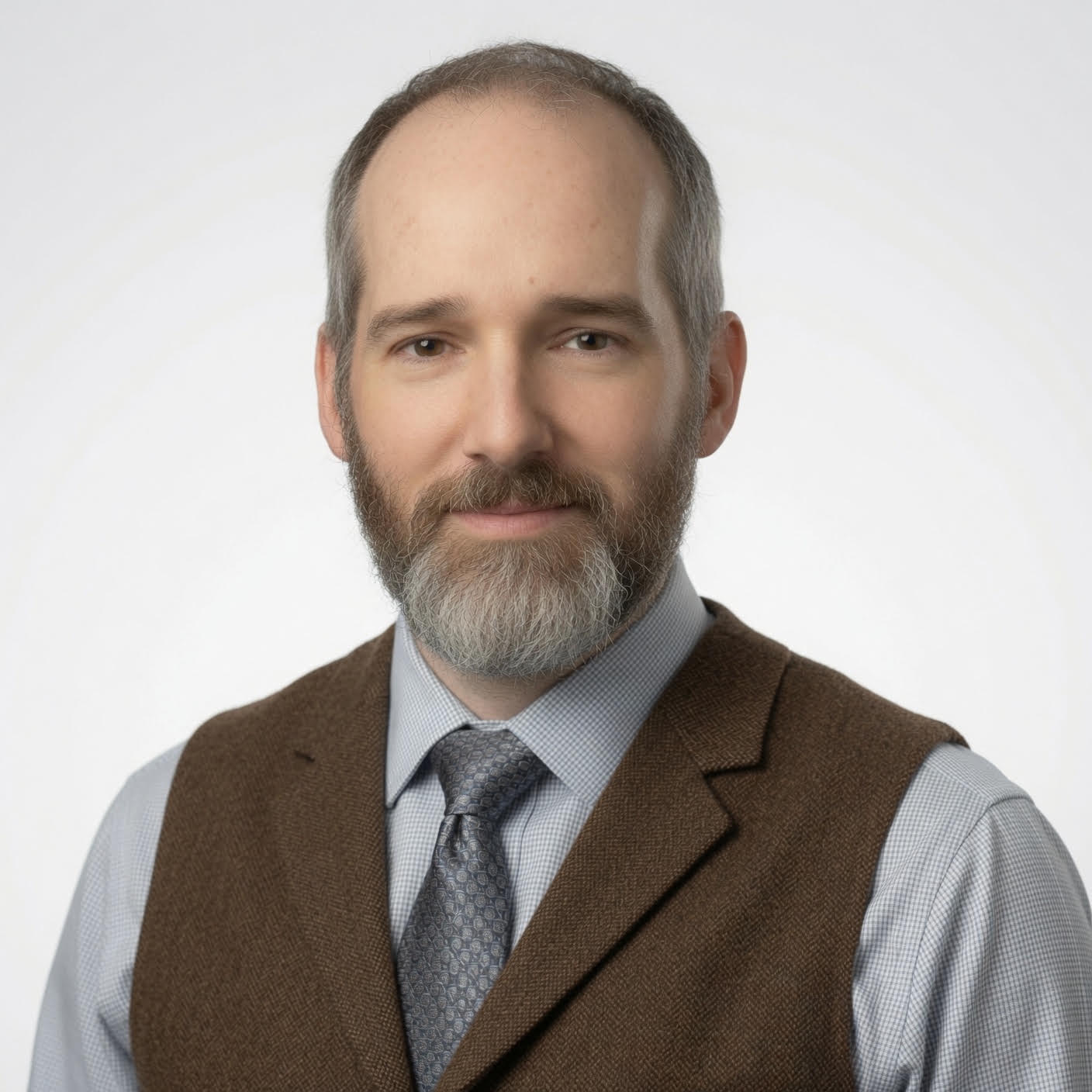
MA, LMHC, BCN Joshua Moore
Profile
Joshua Moore, MA, LMHC, BCN is a licensed mental health counselor and board-certified neurofeedback practitioner based in Vancouver, Washington. An Infra-Low Frequency (ILF) provider and trainer with experience in ILF since 2013, he specializes in complex cases involving early childhood trauma, dissociation, PTSD, and traumatic brain injury. He integrates QEEG brain mapping, neurofeedback (including ILF), EMDR, and Internal Family Systems therapy at his practice, Alternative Behavioral Therapy (neurofeedbackcare.com).
Joshua is dedicated to training and mentoring clinicians. He provides international consulting and courses on practical qEEG interpretation, neurofeedback phenotypes, ILF approaches, and clinical application, and is the author of Neurofeedback For All: A Beginner’s Introduction. He holds a Master’s in Counseling from Multnomah University and previously served as a U.S. Army medic.
Customer story: Anjali Singh-Mitter
Meet psychotherapist Anjali Singh-Mitter in London, UK!
Anjali Singh-Mitter is a psychotherapist running her own private clinic in London, where she supports clients in creating lasting emotional and physiological change. Neurofeedback has become the cornerstone of her therapeutic approach, complementing psychotherapy with a powerful tool for improving self-regulation and overall well-being.
Neurofeedback at the Core of Therapy
Anjali completed her ILF Neurofeedback Basic Training in London in October 2023. In her daily practice, she primarily works with ILF Neurofeedback while also incorporating frequency band training, Synchrony, and Alpha Theta training whenever clinically appropriate.
Since introducing neurofeedback into her practice, it has become her primary treatment modality. She finds that clients often experience meaningful changes much faster than with traditional therapeutic interventions alone. As she explains, many clients describe neurofeedback as something that "speeds up therapy." By facilitating change on a physiological level, neurofeedback helps create lasting improvements that extend into many areas of daily life.
Supporting Lasting Change for Adults and Children
For clients dealing with trauma or nervous system dysregulation, neurofeedback has proven to be an invaluable addition to psychotherapy. While approaches such as talk therapy or hypnotherapy often rely heavily on active client participation, neurofeedback supports change at a subconscious level, making self-regulation more accessible even when emotional distress makes engagement difficult.
Children, in particular, respond very well to neurofeedback. Since the training requires very little talking beyond simple symptom tracking and the feedback is often experienced as enjoyable almost immediately, young clients readily engage with the process. As a result, behavioural changes often develop naturally and with less effort than through conventional therapeutic approaches alone.
Working with BEE Medic
Immediately after completing her training, Anjali purchased her BEE Medic neurofeedback system and has been using it in her clinic ever since. Beyond the technology itself, she especially values the relationship with the BEE Medic team. "The connection feels personal rather than simply being an administrative client relationship," she says.
She also credits the exceptional quality of the training and mentorship she received through BEE Medic as an important part of her professional development. The highly personal teaching approach and ongoing supervision have given her the confidence to successfully integrate neurofeedback into her daily clinical work and continue developing her skills.
Neurofeedback as a Foundation for Psychotherapy
For Anjali Singh-Mitter, neurofeedback is far more than an additional therapeutic technique - it has become the foundation of her clinical work. By combining modern neurofeedback technology with psychotherapeutic expertise and compassionate care, she helps clients achieve meaningful, lasting change while strengthening their capacity for self-regulation and resilience.

Get In Touch
Anjali Singh-Mitter
Multimodal Therapy & Neurofeedback
📞 7810890049
🌐 https://anjalismitter.com/
Neurofeedback Basic Course
Course description
Vår 4-dagers grunnopplæring er tilstrekkelig til at du kan komme i gang med nevrofeedback. Du får ikke bare den teoretiske grunnkunnskapen, men du får også god mulighet til å prøve ut nevrofeedback-utstyret vi bruker. Etter å ha fullført opplæringen vil du være i stand til å bruke nevrofeedback i ditt daglige arbeid.
På kurset får du rikelig med muligheter til å skaffe deg praktisk erfaring med nevrofeedback. I løpet av uken gjennomfører vi seks treningsøkter der vi jobber sammen to og to. Rollene veksler mellom å være trener og klient. Hver treningsøkt evalueres i små grupper, slik at det genereres kunnskap og skapes trygghet rundt bruken av neurofeedback når du er tilbake på jobb igjen. Du får også med deg en dansk «Protocol Guide», 7. utgave 2019, samt deltakelse på en online oppfølgingsdag, der det tilbys veiledning og sparring som sikrer at du kommer godt i gang etter fullført utdanning. Etter fullført utdanning har du GRATIS veiledning i 2 måneder.
Essential teaching content
- Teknisk grunnleggende kunnskap om EEG og signalbehandling
- 10–20-systemet og elektrodeplasseringer
- Teori om selvregulering
- Forståelse av effekten av nevrofeedback
- Bruk av maskinvare og programvare til nevrofeedback-trening
- Å se og forstå mønstre av dysregulering hos personer
- Protokoller for klinisk bruk og for å oppnå topp ytelse
- Evaluering av symptomer og treningsforløp
- Andre testverktøy for å måle effekten av nevrofeedback-forløp
- Nevrofeedback-trening – du trener selv og merker effekten nevrofeedback har
After the course you can
- Arbeid trygt med 2-kanals ILF-neurofeedback
- Velg og bruk protokoller som er skreddersydd for dine klienter
- Hjelp mennesker med å oppnå bedre selvregulering og redusere symptomer
- Bruk et universelt verktøy som kan styrke din nåværende praksis
- Opplev hvor enkelt det er å arbeide med neurofeedback, og hvor lett det er for klientene å ta imot behandlingen
Location
Horten - tbdwill be announced soon
3181 Horten
Norway
Period of time
21.10.2026 08:30 – 24.10.2026 16:30
Local time: Europe/Oslo
Your selected time zone
Price
29 400 DKKIncluded in the price
Deltakere utover én fra samme arbeidsplass: 26 400 DKK
Alle priser er ekskl. mva.
- Undervisning og god tid til praktisk trening.
- Alt undervisningsmateriale.
- Forpleining: ved ankomst, lunsj med drikkevarer og pausemat gjennom hele dagen.
- Neurofeedback-utstyr til disposisjon for trening i par.
- Sertifisering.
- Oppfølgingsdag.
- Protocol Guide, 7. utgave 2019 på dansk.
- GRATIS veiledning i 2 måneder etter fullført utdanning.
More Information
Undervisningen vil foregå på dansk og norsk.
Language
- Norwegian
Lecturer
Organizer
EEGInstitute.dk
Stendyssevej 50
9850 Hirtshals
Denmark
- [email protected]
- Phone: +45 20329901
register*
Print course description
*By clicking on "register" you will be forwarded directly to the organizer of the course for booking. The organizer is also responsible for course organisation and invoicing.