Customer Stories: Cami Schermerhorn and Rally Neurofeedback & Coaching

10. March 2026

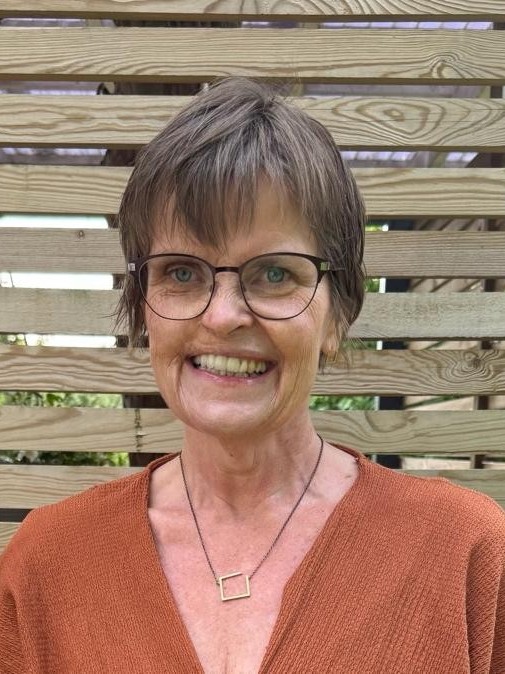
Meet Cami Schermerhorn, M. Psy, in Corvallis, Oregon! 

At Rally Neurofeedback & Coaching, the mission is clear and personal "helping your brain rally from setbacks to success". Founded and led by Cami Schermerhorn, M. Psy, Rally provides individualized neurofeedback training to clients across the lifespan, supporting a wide range of goals from nervous system regulation and sleep support to peak performance and resilience.


Cami brings a uniquely multifaceted background to her work. Before entering the mental health field, she competed as a professional tennis player on the Women’s Tennis Association Tour, spending eight years ranked in the top 100 worldwide and competing at the highest levels of the French Open, Wimbledon, the U.S. Open, and the Australian Open. Following her athletic career, she pursued academic training in psychology, graduating Summa Cum Laude from UCLA, earning a Fulbright Scholarship, and completing a Master’s degree in Psychology in Germany. She later spent more than a decade working as an outpatient therapist in a nonprofit mental health agency, primarily supporting children and families with complex challenges.


Cami was trained and certified in neurofeedback in 2019 through EEG Info and now uses Infra-Low Frequency (ILF) Neurofeedback, along with Synchrony and Alpha-Theta protocols, as the foundation of her private practice. She began integrating neurofeedback into treatment plans while working in agency settings and quickly observed how the gentle, nonverbal nature of the modality supported clients who struggled with traditional talk therapy.

Cami

A Gentle Approach to Regulation and Performance
Cami works with a wide range of clients, including individuals navigating stress, sleep challenges, migraines, neurodivergence, and emotional regulation concerns, as well as athletes, students, and professionals seeking performance optimization. Sessions are customized to each client’s goals, emphasizing comfort, engagement, and nervous system stability.


One of Cami’s clients has a very stressful career and experienced challenges from past events in childhood, teenage years, and previous jobs. His nervous system was so dysregulated that he would get nausea, tachycardia, and high anxiety before work, and then have difficulty letting work events go afterward. During the very first neurofeedback training session, the client started laughing as he had positive feelings wash over him and reported feeling calmer than he'd ever felt before. After completing 20 sessions, he reports feeling a freedom and peace he has never experienced in his life. “He says that neurofeedback truly saved him and has changed him, that he's not the same, much lighter, happier, and more peace-filled.”


Cami has also seen neurofeedback transform her work with children and teens who struggle with severe behavioral challenges. After completing a series of neurofeedback sessions, behaviors reduced in frequency and intensity, and mental health concerns improved more than they had with other forms of therapy. “Those dysregulated children who were too behaviorally challenged to do traditional talk therapy were willing to sit and watch a show while holding a teddy bear; and the neurofeedback was a game changer!”


Building a Practice Around Neurofeedback
Cami has used BEE Medic neurofeedback systems since her initial training and credits their reliability and responsive technical support as essential to her clinical work. While introducing neurofeedback initially required education and trust-building with clients unfamiliar with the modality, its impact quickly became evident.


“Once we got started, those who had experienced neurofeedback became some of our biggest promoters, encouraging other clients to take advantage of the service since they had such great results themselves.”


Today, Rally Neurofeedback & Coaching continues to grow, recently expanding with the addition of a second neurofeedback system. Cami now works with individuals, couples, and families, some of whom choose to complete sessions together. Reflecting on her work, she shares, “I tell people that I have a dream job: I get to invite people into my office, have a snack and/ or a tea, and sit down and watch a favorite show with a teddy bear and a blanket, and get better!” This approach allows her to provide far more neurofeedback sessions in a day than traditional talk therapy, while also reducing no-shows.


Cami remains deeply committed to sharing neurofeedback with as many people as possible as a gentle, non-medication option that supports both mental and physical health. We deeply respect Cami Schermerhorn’s dedication, expertise, and passion for helping clients harness their brain’s potential, and we’re grateful to support the impactful work being done at Rally Neurofeedback & Coaching as clients continue to rally toward greater balance, resilience, and success.


Get In Touch

Email: [email protected]
Business phone #: (541)286-5302
Website: rallyneurofeedbackandcoaching.com
 

Neurofeedback Info-Webinar: On Demand

Sie interessieren sich für Neurofeedback möchten sich aber vor einer Investition in einen Kurs und ein System unverbindlich informieren?

Die kostenlosen Neurofeedback Webinare der BEE Medic GmbH sind hierfür die ideale Möglichkeit.
Um Ihnen maximale zeitliche Flexibilität zu bieten, können Sie sich hier ein Info-Webinar on demand ansehen.

Im Rahmen der ca. einstündigen Veranstaltung, erhalten Sie durch unseren erfahrenen Dozenten, einen fundierten Überblick zur Entwicklung des Neurofeedbacks, den Anwendungsgebieten und welche Möglichkeiten Neurofeedback heute, dank moderner Signalverarbeitung, eröffnet. 

Agenda

  • Wie funktioniert Neurofeedback?
  • Wo findet modernes Neurofeedback Einsatz?
  • Für welche Indikationen und Symptome eignet sich Neurofeedback?
  • Wie unterscheiden sich die gängigen Neurofeedback-Verfahren?
  • Wie wird Neurofeedback in der Praxis angewendet?
  • Was sind die fachlichen und therapeutischen Anforderungen?
  • Was sind die technischen Voraussetzungen

After the info day

  • Haben Sie einen fundierten Überblick zur Evidenz von Neurofeedback
  • Wissen Sie, worin sich die wesentlichen Neurofeedback-Verfahren unterscheiden und wie effektives ILF Neurofeedback nach Othmer funktioniert
  • Wissen Sie, wie Sie Neurofeedback in Praxis und Klinik einsetzen können und wie das Behandlungssetting aussieht
  • Haben Sie viele neue Erkenntnisse und Hinweise zu Literatur und Studien, die Ihnen den weiteren Einstieg ins Neurofeedback erleichtern

Online

Period of time

01.01.2026 – 31.12.2026
Local time: Europe/Berlin

Your selected time zone

Details

Dies ist ein Video on-demand, welches Sie zu einem beliebigen Zeitpunkt ansehen können.

Organizer

For EU:

BEE Medic GmbH
Max-Porzig-Str. 1, 78224 Singen, Germany

For CH, UK and other non-EU countries:

BEE Medic GmbH, Switzerland
BEE Systems Ltd. UK

  • [email protected]
  • Phone: +49 7731 96969-70
  • Phone: +41 71 9314020
  • Phone: +44 1702 8200 06

Language

  • German

More Information

Abbonieren Sie unseren Newsletter und erhalten Sie den Link zum Webinar direkt in Ihr Postfach. Klicken Sie dafür auf Anmelden und folgen Sie den Anweisungen.

Die Neurofeedback Infotage und Webinare richten sich an Personen mit heilberuflichem und therapeutischem Hintergrund. Personen, die für sich eine Neurofeedback-Therapie in Erwägung ziehen, können leider nicht daran teilnehmen, finden aber Informationen rund um Neurofeedback beim Neurofeedback Netzwerk.

register* Print course description *By clicking on "register" you will be forwarded directly to the respective organizer, where you can register for the Info day.

Health and Wellbeing at Work - Integrating Neurofeedback for Resilience and Performance

16. February 2026

In today’s fast-paced corporate environment, the psychological well-being of employees has become a critical factor for organizational success. As burnout rates rise and the boundaries between work and private life blur, innovative neurological interventions like Neurofeedback are gaining more interest as powerful tools for both prevention and optimization.

Burnout is increasingly recognized as a state of chronic dysregulation of the autonomic nervous system (1). On a neurophysiological level, burnout often correlates with diminished cortical arousal control and disrupted connectivity within resting-state networks, particularly the Default Mode Network (DMN). Individuals affected by burnout frequently exhibit an inability to shift from a state of high sympathetic arousal into a parasympathetic recovery mode (2). The on-going stress at work leads to exhaustion, but also to a reduced performance. Neurofeedback is a method that can help to stabilize the nervous system and therewith reduce or prevent symptoms of burnout. Two fundamental studies investigated the application of ILF Neurofeedback on healthy adults. fMRI was conducted after one session of ILF Neurofeedback and revealed an increased connectivity in the brain. (3,4)

Burnout, but also stress in general can lead to sleep problems like an increased sleep onset latency or decrease in deep sleep phases, which both are essential for neurocognitive regeneration (5). Many people have problems resting their minds and finding proper sleep during nighttime. This leads to a reduced quality of life and can result in various other health issues. Neurofeedback has been reported to reduce the number of awakenings and increase in sleep quality (6). There are also studies that report about reduced sleep onset latency (7,8). Also in the case of burnout, where sleep issues go hand in hand with other symptoms, Neurofeedback was shown to help alleviate the issues.9 A 2022 published review paper discusses the model of the dysregulation of the central nervous system and summarizes the positive effects of Neurofeedback on insomnia (10)

Neurofeedback has been applied to significantly improve sleep quality and stress modulation in healthcare professionals during the COVID-19 pandemic (11). Similarly, research by Liu & Cha indicates that Neurofeedback training is an effective tool for reducing job-related stress specifically among financial sector employees, suggesting its utility in corporate wellness programs (12). Utilizing Neurofeedback training it was possible to significantly influence biological markers of stress (13) For those in leadership roles, stress management is inextricably linked to performance. It was demonstrated that top-level managers who learned self-regulation through neurofeedback showed improved decision-making under stress (14). This aligns with a broader framework, which positions Neurofeedback as a cornerstone of modern stress management, capable of enhancing the brain's ability to maintain cognitive clarity while under physiological pressure (15) Neurofeedback was also used to improve the cognitive workload management in radiation therapists by stabilizing mental effort, thereby reducing fatigue and enhancing safety in high-precision tasks (16) A study demonstrated that neurofeedback reduces burnout in surgical residents by enhancing self-regulation and resilience against the stressors of medical training (9)

Also in terms of peak performance, Neurofeedback shows promising results. It is possible to learn self-regulation that directly leads to enhanced attentional performance (17). In another study, the executive functioning and cognitive control of pilots could be effectively enhanced (18). In medical professionals, stress levels and surgical performance as been increased using Neurofeedback training. (19) During Italy’s 2006 World Cup victory, players utilized a "Mind Room" featuring neurofeedback to enhance focus and composure (20) This technology is also successfully employed in Formula 1, Olympic training centers, and by NASA, which developed specialized smart glasses to help astronauts maintain peak attention (21).

Neurofeedback is an evidence-based intervention that supports corporate wellness by strategically enhancing the brain’s capacity for self-regulation. Integrating it into the workplace offers three core benefits: It stabilizes the nervous system, helping employees manage chronic stress and efficiently transition into recovery states, thereby actively mitigating burnout risk. Furthermore, it improves essential metrics like sleep quality and boosts attention, executive function, and mental clarity, which are critical for sustained productivity. Finally, by developing self-regulation skills, Neurofeedback strengthens resilience and optimizes decision-making, enabling employees in high-stress roles to maintain peak performance.


Neurofeedback session

1.    Kanthak, M. K. et al. Autonomic dysregulation in burnout and depression: evidence for the central role of exhaustion. Scand. J. Work. Environ. Health 43, 475–484 (2017). 
2.    Golkar, A. et al. The influence of work-related chronic stress on the regulation of emotion and on functional connectivity in the brain. PloS One 9, e104550 (2014). 
3.    Dobrushina, O. R. et al. Modulation of Intrinsic Brain Connectivity by Implicit Electroencephalographic Neurofeedback. Front. Hum. Neurosci. 14, (2020). 
4.    de Matos, N. M. P., Stämpfli, P., Seifritz, E. & Brügger, M. Disassembling infra-low-frequency neurofeedback: A neurophysiological investigation of its feedback components. NeuroImage 325, 121647 (2026). 
5.    Akerstedt, T. Psychosocial stress and impaired sleep. Scand. J. Work. Environ. Health 32, 493–501 (2006). 
6.    Schabus, M. et al. Enhancing sleep quality and memory in insomnia using instrumental sensorimotor rhythm conditioning. Biol. Psychol. 95, 126–134 (2014). 
7.    Wu, Y. L., Fang, S. C., Chen, S. C., Tai, C. J. & Tsai, P. S. Effects of Neurofeedback on Fibromyalgia: A Randomized Controlled Trial. Pain Manag. Nurs. 22, 755–763 (2021). 
8.    Hoedlmoser, K. et al. Human SenSorimotor rHytHm, Sleep and Learning Instrumental Conditioning of Human Sensorimotor Rhythm (12-15 Hz) and Its Impact on Sleep as Well as Declarative Learning Instrumental Conditioning of Sensorimotor Rhythm-Hoedlmoser et Al. SLEEP vol. 31 (2008). 
9.    Kratzke, I. M. et al. Reducing Residents’ Burnout Using Neurofeedback. J. Am. Coll. Surg. 231, S254 (2020). 
10.    Othmer, S., Kara, O., Bechtereva, N. P. & Moore, P. T. Infra-Low Frequency Neurofeedback and Insomnia as a Model of CNS Dysregulation. 
11.    Benatti, B. et al. INTENSIVE NEUROFEEDBACK PROTOCOL: AN ALPHA TRAINING TO IMPROVE SLEEP QUALITY AND STRESS MODULATION IN HEALTH CARE PROFESSIONALS DURING THE COVID-19 PANDEMIC. A PILOT STUDY. Clin. Neuropsychiatry 20, 61–66 (2023). 
12.    Liu, C. & Cha, H. A randomized controlled trial for solving job stress of financial employees based on Neurofeedback training. NeuroQuantology 16, 91–96 (2018). 
13.    Shahyad, S. et al. Effectiveness of Neurofeedback on Psychological Stress, Salivary Cortisol and α-amylase Level in Students: A Randomized and Parallel-Group Clinical Trial. Iran. J. Psychiatry Behav. Sci. 18, (2024). 
14.    Iodice, P., Cannito, L., Chaigneau, A. & Palumbo, R. Learned self-regulation in top-level managers through neurobiofeedback training improves decision making under stress. Sci. Rep. 12, (2022). 
15.    Thompson, M. & Thompson, L. Neurofeedback for stress management. in Principles and practice of stress management, 3rd ed 249–287 (The Guilford Press, New York, NY, US, 2007). 
16.    Campbell, A. M., Mattoni, M., Yefimov, M. N., Adapa, K. & Mazur, L. M. Improving Cognitive Workload in Radiation Therapists: A Pilot EEG Neurofeedback Study. Front. Psychol. 11, (2020). 
17.    Egner, T. & Gruzelier, J. H. COGNITIVE NEUROSCIENCE AND NEUROPSYCHOLOGY NEUROREPORT Learned Self-Regulation of EEG Frequency Components Affects Attention and Event-Related Brain Potentials in Humans. Lippincott Williams & Wilkins vol. 12. 
18.    Lafont, A., Enriquez-Geppert, S., Roy, R., Leloup, V. & Dehais, F. Theta Neurofeedback and Pilots’ Executive Functioning. 
19.    Vernon, D. et al. The Effect of Training distinct Neurofeedback protocols on aspects of cognitive performance. Int. J. Psychophysiol. 47, 75–85 (2003). 
20.    Wilson, V., Peper, E. & Moss, D. ‘The Mind Room’ in Italian Soccer Training: The Use of Biofeedback and Neurofeedback for Optimum Performance Health Computing View Project Pathways Model for Healthcare View Project. https://www.researchgate.net/publication/259558691. 
21.    Smart Glasses Focus Attention with NASA Neurofeedback Technology - NASA. https://www.nasa.gov/technology/tech-transfer-spinoffs/smart-glasses-focus-attention-with-nasa-neurofeedback-technology/ (2020).


Dr. Judy Carlson

Dr. Judy Carlson

Supervision services

I offer supervision for individuals by arrangement. Please contact me.

Language: English

Please note that all scheduling is conducted in Hawaii Standard Time (HST).

Dr. Judy Carlson

Dr. Judy Carlson

Profile

Dr. Carlson is a nurse scientist and neurotherapist with the United States Department of Veterans Affairs (VA), where she serves within the VA Pacific Islands Health Care System. She holds a Doctor of Education (EdD) in Program Development and Outcomes Research from Rutgers University, a Master of Science in Nursing (Bio-Behavioral Nursing) from Hunter University, and a Bachelor of Science in Nursing from Long Island University. She also completed a certificate in Family Nurse Practice at the University of Virginia.

Board-certified in Neurofeedback, Dr. Carlson blends rigorous scientific inquiry with clinical expertise. Her research and clinical interests focus on understanding the impact of neurofeedback on a variety of health conditions, including mild traumatic brain injury (mTBI), post-traumatic stress disorder (PTSD), chronic pain, and sleep disorders — all areas of importance to veteran health and recovery.

At the VA, she founded and chairs the Evidence-Based Practice (EBP) Council, leading efforts to build and sustain a strong EBP culture across the VA Pacific Islands. She regularly conducts EBP workshops, offers training and consultation services, and mentors interdisciplinary project teams.

Shari

Shari Johansson

Profile

Shari Johansson brings nearly 30 years of therapeutic experience to her roles as mentor and instructor at Sadar Psychological. Her educational foundation in trauma work was established under Dr. Dan Allender’s tutelage, with a focus on childhood sexual abuse and developmental trauma. Her comprehensive post-graduate training encompasses Internal Family Systems, Somatic Experience, and Attachment Based Family Therapy, integrating the neurobiology of attachment and vagal system understanding into trauma treatment. As a former director of Student Counseling and counseling program developer, Shari’s journey into neurofeedback began in 2015, inspired by its effectiveness in resolving her children’s ADHD and temporal lobe seizures. This personal experience led to a deep commitment to advancing the field, particularly in treating developmental and complex PTSD, where she has observed superior lasting efficacy compared to traditional trauma interventions. As a certified mentor for both BCN and QEEG certification, Shari combines clinical expertise with extensive technical knowledge across multiple platforms including Nexus, ClearMind, BrainMaster, Neurofield, Daymed, Mitsarz1, and iSync. She specializes in various neuromodulation techniques, including photobiomodulation, DC/AC stimulation, and audio-visual entrainment, while maintaining the perspective of a continuous learner.

Languages

English

The "Tatort" Episode "Murot and the Elephant in the Room": What it Claims About Neurofeedback and Why It Is Wrong

28. January 2026

In the Tatort episode Murot und der Elefant im Raum (Murot and the Elephant in the Room), neurofeedback appears not as a form of therapy, but as a narrative device. The film uses "neurofeedback" as a label. The term lends an air of medical legitimacy to a completely fictional technology, even though the effects depicted have nothing to do with the actual method.

The Plot
Inspector Felix Murot is under severe psychological strain and is undergoing therapeutic treatment alongside his investigative work. This involves a technical-looking apparatus described as an "advanced development" of neurofeedback, which allegedly allows a person to enter their own internal psychological space and penetrate the subconscious.

Simultaneously, Murot is investigating a missing person's case. A woman has kidnapped her young son and retreated to a remote forest cabin. After an accident, she falls into a coma. The child's location is unknown, and traditional investigative methods fail to yield results. The film links these two levels. Murot uses the apparatus to confront his own psyche and later to enter the consciousness of the comatose mother by having both parties wear electrode caps. The idea of connecting two people to enter one person's subconscious is presented as a new, previously untested expansion of the technology. This inner world is staged as a surreal, physical space. Murot discovers clues that ultimately lead to the child's rescue. In parallel, conventional investigations also succeed, and the child is found alive.

Why the Depiction of Neurofeedback Is Not Realistic
The term "neurofeedback" linguistically categorizes the shown technology within a medical-therapeutic context without explaining how it actually works. During the application, Murot twitches convulsively; after his stay in the comatose woman's internal psychological space, he appears disoriented, shows hallucinatory symptoms, and later nearly causes a traffic accident.

The staging is reminiscent of neurological emergencies, overstimulation, and loss of control. While neurofeedback is not explicitly labeled as dangerous, it is visually linked to physical collapse and risk. For experts, this depiction is clearly recognizable as fiction; however, for a lay audience, it can lead to a false understanding of a real therapeutic procedure.

In reality, neurofeedback records brain activity and translates it into feedback that supports self-regulation processes. Seizures, disorientation, or hallucinatory states are medical emergencies, not therapeutic effects. Furthermore, it is impossible to read another person's thoughts or "enter" their subconscious. The depiction in the film is therefore not a simplified version of reality, but a fundamentally different construction that attributes properties to a real procedure that it simply does not possess.

Conclusion
The term "neurofeedback" is used to lend credibility to a fictional technology. This is precisely why it is important to contextualize this depiction and clearly name it for what it is: fiction using real vocabulary, not the representation of a therapeutic procedure.
 

Customer Stories: Evelyn Gollwitzer's occupational therapy and neurofeedback practice

11. February 2026

Evelyn Gollwitzer's occupational therapy and neurofeedback practice in Erlangen offers a wide range of therapies for children and adults. Since 2019, the occupational therapist has been working independently, drawing on her many years of experience, empathy, and a clear goal: to improve her clients' quality of life in the long term.She treats children with developmental disorders, especially ADHD, as well as adults with orthopedic, neurological, or mental illnesses. This includes clients suffering from pain, people who have had a stroke or have multiple sclerosis, people with dementia, and clients with depression, anxiety, or post-traumatic stress disorder.
 

Neurofeedback as an effective supplement

Evelyn Gollwitzer has been successfully using neurofeedback in her therapeutic work since 2015. She mainly works with the ILF method according to Othmer and combines it with frequency band training such as alpha-theta or SMR training, depending on the objective. “Neurofeedback promotes self-regulation, allowing classic approaches to be more effective. The effects are immediately noticeable, and the best thing is that clients don't have to do anything. All they have to do is watch their brain activity,” explains Evelyn Gollwitzer.
 

Neurofeedback for all ages

In practice, neurofeedback is offered for all age groups, from toddlers to seniors. Many clients report better sleep, greater serenity, and increased relaxation in everyday life. They provide feedback on their state of mind and fill out a diary in which they evaluate their main symptoms using individual, positively worded sentences. This allows progress to be observed in a targeted manner and the therapeutic approach to be optimally adjusted. “This daily reflection not only makes changes visible, but also provides inspiration for everyday life - such as more breaks or consciously planned family time,” explains Evelyn Gollwitzer.
 

Success stories from practice

For Evelyn Gollwitzer, every client is unique with their own story. Particularly impressive is the case of a client who suffered from severe irritable bowel syndrome and was greatly restricted as a result. Her fears meant that she was barely able to leave her house. “Today, she goes on vacation again, relaxed and with confidence in her body,” says Evelyn Gollwitzer. This example demonstrates the success and profound effect of neurofeedback. The therapy helps clients access their own feelings and release inner blockages.
 

Proven collaboration with BEE Medic

Evelyn Gollwitzer has been using BEE Medic systems since she began her neurofeedback work. "Before I started with neurofeedback, I thought it was only for tech-savvy people. Fortunately, that was a false assumption. The devices are intuitive to use and also ideal for someone like me who is technically illiterate," she says with a smile.

The variety of animations is a big advantage for Evelyn Gollwitzer. Some clients prefer colorful options such as Innertube, while others appreciate quieter variants such as Aurora from Dreamscapes. Children like to use Arcade or watch movies. Evelyn Gollwitzer also finds the combination with biofeedback sensors enriching. “This allows clients to see how thoughts are reflected positively or negatively in their stress levels in their bodies. This is often very impressive.”
 

About the Occupational Therapy & Neurofeedback Practice

Evelyn Gollwitzer's practice focuses on the individual, with all their unique needs and circumstances. The goal is to support people of all ages in strengthening self-regulation, well-being, and everyday skills. Whether in the practice, at home, or in a nursing home, treatment is always holistic, individualized, and highly empathetic.
 

Evelyn Gollwitzer

📍 Occupational Therapy & Neurofeedback Practice
Friedrichstraße 30, 91054 Erlangen
📞 09131 – 8272925
🌐 www.ergotherapie-neurofeedback.de


On the Death of Matt Fleischman, Founder of the Neurofeedback Advocacy Project

09. February 2026

It is with great sadness that we learned of the death of Matt Fleischman, founder of the Neurofeedback Advocacy Project (NAP).
Matt was not only the initiator of the Neurofeedback Advocacy Project, which he shaped with great clarity, perseverance, and personal conviction. He was also an extraordinary person. His death leaves a void that is deeply felt by us, not only professionally, but above all on a personal level.

Matt Fleischman worked as a licensed psychologist with a doctoral degree in Eugene, Oregon. Throughout his professional life, he worked at the intersection of behavioral therapy, neurofeedback, and healthcare systems. As a principal investigator, he was involved in a project funded by the National Institute of Mental Health in which family-based treatment programs were implemented in social service settings.

Matt first encountered neurofeedback in the late 1980s. In the decades that followed, he explored a wide range of neurofeedback approaches and their integration into therapeutic practice. He taught and lectured in the United States and internationally, and remained consistently committed to the practical and responsible use of neurofeedback-based methods.

In his memory, we would like to share the story of the project that was particularly close to his heart.

The Founding of the Neurofeedback Advocacy Project
Matt founded the Neurofeedback Advocacy Project in 2018 after retiring from active clinical practice. His goal was clear: neurofeedback should be made available where the need is greatest – in social service institutions. He was not focused on short-term effects, but on building sustainable structures and a solid foundation for decision-making in the practical delivery of care. To make the benefits of neurofeedback understandable and verifiable, he emphasized the systematic collection of data from real-world practice from the very beginning.

To support this effort, Matt developed the Results Tracking System. It enables clinicians to document relevant progress and outcome information in a structured way. This data foundation was central to him, as it made practical experience visible and allowed the effects of neurofeedback in social service settings to be assessed in a well-grounded manner.

Collaboration with BEE Medic
Since December 2020, BEE Medic and the Neurofeedback Advocacy Project have worked closely together, particularly in the areas of data analysis and project development. Matt advanced the project with perseverance, clarity, and great personal commitment. The regular exchanges were marked by respect, openness, and a shared commitment to developing meaningful and responsible solutions. Over time, this collaboration grew into not only a professional partnership, but also a personal bond. 

Results and Impact of the Project
Publicly available analyses from the Neurofeedback Advocacy Project’s Results Tracking System show meaningful changes across several areas that are particularly relevant to social service settings. The data are based on systematically collected self-assessments and progress documentation from participating institutions. Among other findings, the reports indicate reductions in the severity of identified problem areas as well as improvements in emotional regulation and behavior. Changes are also observed in areas such as school-related behavior, substance relapse, emergency care utilization, and hospitalizations. These results highlight the potential of neurofeedback-based interventions in addressing complex challenges such as trauma, chronic stress, and multiple psychosocial risk factors. Systematic data collection makes it possible to contextualize and further develop the use of neurofeedback in social care environments.

Continuation of the Project
The Neurofeedback Advocacy Project will continue. In the fall, Colette Melancon was appointed Executive Director. We are very pleased that she has taken on this role and will continue the work of the project.

Farewell
With Matt Fleischman, we lose the founder of the Neurofeedback Advocacy Project and a person who influenced many through his integrity, energy, and humanity. His commitment and approach live on in the project he built.

Further information:
https://www.neurofeedbackadvocacyproject.com/
 

Subscribe to