ILF De

Mind Matters
Neurofeedback Blog

Insights, Studies, Interviews, and News

Period of time

Order

Subjects

World Occupational Day_2

World Occupational Therapy Day on 2020/27/10 - “Neurofeedback makes my work even more exciting”

In a growing number of occupational therapy practices, Neurofeedback is already established as a solid treatment method. However, many occupational therapists also doubt whether the “technical” neurofeedback fits into their everyday work. Being said, occupational therapists can even get some reimbursement from the health insurance and healthcare system for neurofeedback therapy in countries like Germany. In an interview, EEG Info lecturer Thomas Theis reports what inspires him about neurofeedback, how neurofeedback can be integrated into occupational therapy and why occupational therapists in particular bring the perfect conditions for neurofeedback.

continue reading
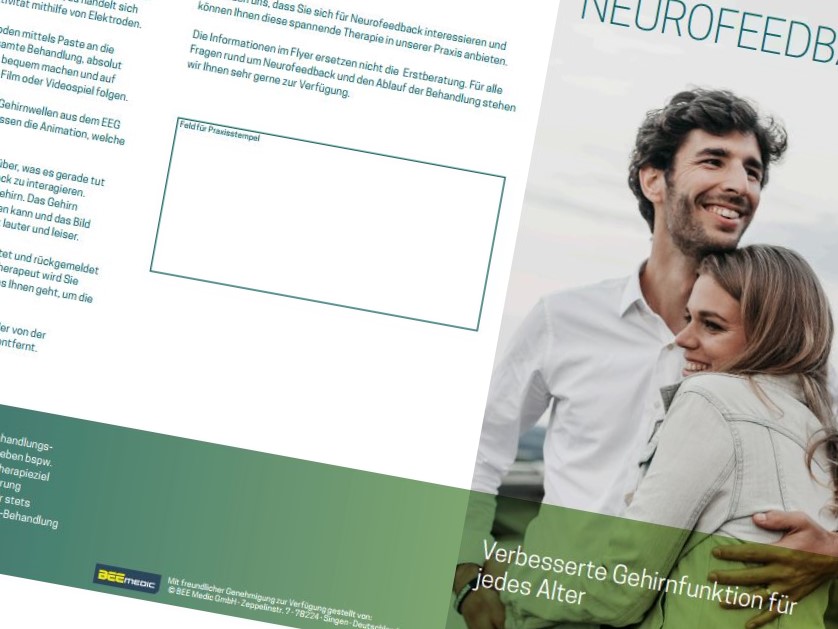
Neurofeedback Patientenflyer der BEE Medic GmbH

Patient information about Neurofeedback for your practice marketing — what matters

In considering the flood of information about health services via the Internet, Apps and brochures, it is more important than ever to provide patients with specific and well-founded information. Patients' need for information is particularly high for Neurofeedback. After all, ‘What exactly happens if electrodes are attached to my or my child's head?’ is a more than justified question. However, reliable, comprehensible information is hard to find and serious medical offers are difficult to distinguish from those that are not. The patient flyers of BEE Medic offer a very good opportunity to explain Neurofeedback to your clients in a professional and understandable way.

continue reading
Overview cygnet neurofeedback animations

What is Neurofeedback?

Neurofeedback is a therapy method that - similar to biofeedback methods - is based on measuring physical body functions and reporting them back through appropriate signals in real time. Since neurofeedback is about the brain, EEG signals are used for feedback here. Neurofeedback is mainly used in therapy to improve the self-regulation ability.

continue reading
Wissenschaftler beim Betrachten eines Laptops

Study proves: just one session with ILF Neurofeedback results in significant changes in brain connectivity!

For the first time a randomized, controlled study has shown effects of Infra Low Frequency Neurofeedback (ILF Neurofeedback for short and also known as the Othmer method), on connectivity and brain activity - and this after only a single session. The study by Dobrushina et al. entitled "Modulation of Intrinsic Brain Connectivity by Implicit Electroencephalographic Neurofeedback" thus makes an important contribution to a better understanding of the mechanisms and processes of ILF Neurofeedback. “This confirms what we see in daily practice and what patients telling us: that ILF Neurofeedback has effects even after only one session,” says Dr. Bernhard Wandernoth, Founder of BEE Medic GmbH.

continue reading
EEG Info Protokoll Leitfaden 7. Auflage

Protocol Guide available in 7th edition

The Protocol Guide by Susan F. Othmer has been the indispensable standard work for all those who (want to) work with Neurofeedback according to Othmer. The now current 7th edition contains clinical knowledge about the new extended ILF HD range, revised symptom profiles and the new ILF synchrony training.

continue reading
Video Elektroden kleben für Neurofeedback Eigentraining

How to hook up electrodes for Neurofeedback self-training

We all experience weeks of special challenges. Due to initial restrictions and cutbacks in public life, we all experience uncertainties and stressful situations. At the same time, new ideas emerge everywhere and some of us have something that is often neglected in the normal bustle of everyday life: more time! We would like to invite you to use this time for Neurofeedback training.

continue reading
Book

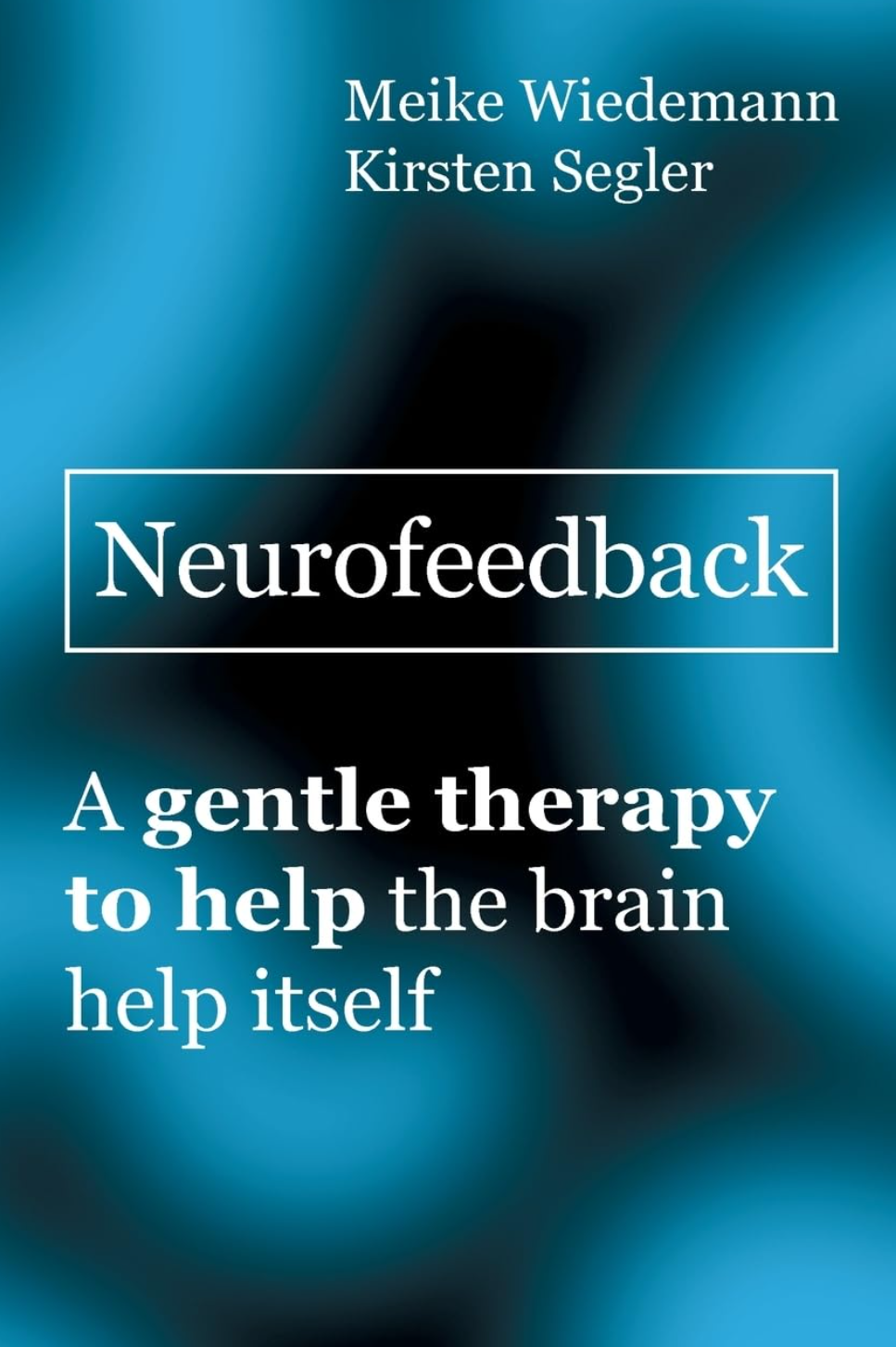
Book recommendation - "Neurofeedback: A gentle therapy to help the brain help itself"

Everyone can benefit from neurofeedback, which helps the brain to regulate itself better in a playful way. Above all, it helps to alleviate numerous illnesses such as migraines, sleep and concentration disorders, ADHD, mental disorders and trauma. And all this without having to go into detail about your own past. Meike Wiedemann and Kirsten Segler explain in an easily understandable way how neurofeedback works and how it is applied. Numerous case histories show the many different ways it can be used. An exciting introduction to a promising therapy method, effective and without side effects. Available in German.

continue reading