Brain Function Analyzer System
Course description
This course introduces the HBImed Brain Function Analyzer (BFA) and database developed by Andreas Müller and Juri Kropotov, covering the latest research findings including ICA evoked potentials, vigilance and arousal indexes, and ADHD and emotional classification indexes. Grounded in social neuroscience—which combines cognitive neuroscience and social psychology to examine emotional, social, and cognitive phenomena—the course links neurobiological foundations with cognitive-psychological approaches to provide comprehensive insight into brain functions and their relationship to behavior and experience. This integrative approach reflects modern psychiatry's holistic understanding and has far-reaching implications for clinical practice, enabling better understanding of the neurobiological foundations of mental disorders, identification of individual risk factors, and development of personalized diagnostic and therapeutic methods.
After the course you can
Students will understand…
- What ERPs are and how they help clinicians understand the brain
- The reports that the Brain Function Analyzer System generates
Online
Self-paced - take at any time
Price
$500Included in the price
Instructional Structure/Delivery Method
- 4 hours of pre-recorded instruction
- BFA Instructions
More Information
Prerequisites/Audience
- This is an intermediate/advanced class. Therefore course participants need to have completed an intro accredited BCIA course or have at least 2 years of full time neurofeedback training experience
- Students should already know how to acquire 19 channel EEG data below 7 kohms. If you need to learn this, we can help.
- Students should be able to detect and minimize artifact to collect analyzable data.
- Course participants must hold a clinical license or be working under a supervisor who meets all prerequisites and is either taking this course with them or already knows how to use the BFA
Course participants need to have the following equipment:
- Access to a computer that meets the specifications to run the ERP rec program1
- Caps and gels
- Display monitor with an HDMI connection, 1920x1080 resolution and a 60hz refresh rate
- Wired speakers with 3.5mm input connector
1The can be confirmed with BEE Medic tech support: tel – +1-818-313-9980
Language
- English
Lecturer
Organizer
Sadar Psychological & Sports Center
1288 Valley Forge Rd, Phoenixville, PA 19460
register*
Print course description
*By clicking on "register" you will be forwarded directly to the organizer of the course for booking. The organizer is also responsible for course organisation and invoicing.
Heart Rate Variability Training: Foundations & Practice
Course description
In just 5 hours of expert-led video instruction, you’ll learn to facilitate HRV training sessions, explain the science in accessible terms, and confidently incorporate HRV into treatment plans or educational settings. This practical course bridges the gap between clinical research and real-world application, giving you the tools to help clients, students, and family members improve their health, attention, and emotional regulation.
After the course you can
Students will be able to
- Facilitate an HRV training session
- Explain HRV for a non-clinical audience
- Incorporate HRV as part of a treatment plan
Students will understand…
- The science of how heart rate variability impacts health, attention, and happiness.
- Equipment choices for HRV training (show emWave & Wild Divine, quick reference to TT,
BEEmedic) - Educational options following this course
Course highlights
Learn from Recognized Experts
This course is co-taught by Angelika Sadar, an internationally recognized HRV-certified clinician, and Jenna Prada , a career educator with over 10 years of experience teaching somatic regulation and practical wellness techniques to educational professionals. Together, they bring both clinical rigor and real-world implementation expertise to help you successfully integrate HRV protocols with your clients, students, or children.
Online
Self-paced - take at any time
Price
$295.00More Information
Dates & Commitment Level
5 hours of prerecorded lectures + optional office hours
Assessments
- Multiple choice test for science
- Submit data to show ability to determine a person’s resonance frequency
- Baseline, stress, and recovery data submission
- Reflection & course evaluation
Prerequisites/Audience
- Clinicians, educators, and parents who want to offer HRV
Language
- English
Lecturer
Organizer
Sadar Psychological & Sports Center
1288 Valley Forge Rd, Phoenixville, PA 19460
register*
Print course description
*By clicking on "register" you will be forwarded directly to the organizer of the course for booking. The organizer is also responsible for course organisation and invoicing.
Advanced Neurofeedback Course
Course description
Le cours avancé est destiné aux utilisateurs avancés qui souhaitent utiliser le neurofeedback de manière encore plus systématique et exploiter pleinement les possibilités offertes par le logiciel Cygnet® de Neurofeedback. Vous recevrez des informations détaillées sur les protocoles de traitement actuels et approfondirez ou étendrez vos connaissances en neurofeedback grâce à de nombreux exercices illustratifs et études de cas. De plus, les derniers développements et découvertes en matière de neurofeedback selon l’Institut Othmer seront présentés.
Les présentations pour tous les participants alterneront avec des ateliers plus courts sur des thèmes variés. En outre, des discussions en petits groupes sur des sujets spécifiques ainsi que des expériences personnelles sous la supervision de professeurs expérimentés de l’IFPNT seront organisées.
La condition préalable à la participation est la participation au cours de base de Neurofeedback et au moins une année d'expérience pratique avec le Neurofeedback ILF.
Essential teaching content
- Présentation des paramètres logiciels avancés
- Approfondir la compréhension technique du Neurofeedback
- Approfondissement des connaissances : Bases neurophysiologiques du Neurofeedback ILF
- L'optimisation des protocoles d’entraînement pour un travail clinique plus efficace
- Intégration d'autres applications de Neurofeedback, par exemple l'entraînement Alpha-Theta et Synchrony
- Possibilité de discuter de différents sujets lors de discussions quotidiennes en petits groupes
- Ateliers quotidiens changeants sur 2 canaux ILF HD, avec les protocoles Alpha-Theta ou Synchrony
- Discussion sur les études de cas
- Aperçu des différentes méthodes et perspectives du Neurofeedback
- Présentation des études et projets dans le domaine du Neurofeedback
- Entraînement au neurofeedback pour une expérience personnelle
- Discussion sur les résultats de la formation
- Possibilité de réseautage avec d'autres thérapeutes
- Conférences sur des sujets connexes
After the course you can
- Travailler avec le Neurofeedback de manière encore plus approfondie et ciblée
- Optimiser davantage les protocoles d’entraînement
- Comprendre et gérer les complications éventuelles qui surviennent lors de l'entraînement au Neurofeedback avec les patients
- Combinez impeccablement les différents modules de Neurofeedback ILF HD, Synchrony et Alpha-Theta
- Mieux comprendre, expliquer et utiliser les mécanismes d'effets et la technologie
- Rendre l'entraînement au Neurofeedback encore plus efficace et l’utilisez dans le cadre d'une thérapie multimodale
- Offrir du Neurofeedback basé sur les dernières découvertes
- Continuez à améliorer vos compétences en Neurofeedback
Course highlights
- Échange intensif de connaissances avec des professeurs expérimentés et d'autres participants
- Format live varié avec des ateliers selon vos besoins individuels
Location
Gap - IFPNT38 bis rue Carnot 05000 GAP Hautes-Alpes
05000 GAP Hautes-Alpes
France
Period of time
14.12.2026 – 18.12.2026
Local time: Europe/Paris
Your selected time zone
Language
- French
Lecturer
Organizer
IFPNT - Institut de Formation Professionnelle au Neurofeedback Thérapeutique
38 Bis Rue
Carnot - 05000 Gap
France
- [email protected]
- Phone: +33619566791
register*
Print course description
*By clicking on "register" you will be forwarded directly to the organizer of the course for booking. The organizer is also responsible for course organisation and invoicing.
Advanced Neurofeedback Course
Course description
Le cours avancé est destiné aux utilisateurs avancés qui souhaitent utiliser le neurofeedback de manière encore plus systématique et exploiter pleinement les possibilités offertes par le logiciel Cygnet® de Neurofeedback. Vous recevrez des informations détaillées sur les protocoles de traitement actuels et approfondirez ou étendrez vos connaissances en neurofeedback grâce à de nombreux exercices illustratifs et études de cas. De plus, les derniers développements et découvertes en matière de neurofeedback selon l’Institut Othmer seront présentés.
Les présentations pour tous les participants alterneront avec des ateliers plus courts sur des thèmes variés. En outre, des discussions en petits groupes sur des sujets spécifiques ainsi que des expériences personnelles sous la supervision de professeurs expérimentés de l’IFPNT seront organisées.
La condition préalable à la participation est la participation au cours de base de Neurofeedback et au moins une année d'expérience pratique avec le Neurofeedback ILF.
Essential teaching content
- Présentation des paramètres logiciels avancés
- Approfondir la compréhension technique du Neurofeedback
- Approfondissement des connaissances : Bases neurophysiologiques du Neurofeedback ILF
- L'optimisation des protocoles d’entraînement pour un travail clinique plus efficace
- Intégration d'autres applications de Neurofeedback, par exemple l'entraînement Alpha-Theta et Synchrony
- Possibilité de discuter de différents sujets lors de discussions quotidiennes en petits groupes
- Ateliers quotidiens changeants sur 2 canaux ILF HD, avec les protocoles Alpha-Theta ou Synchrony
- Discussion sur les études de cas
- Aperçu des différentes méthodes et perspectives du Neurofeedback
- Présentation des études et projets dans le domaine du Neurofeedback
- Entraînement au neurofeedback pour une expérience personnelle
- Discussion sur les résultats de la formation
- Possibilité de réseautage avec d'autres thérapeutes
- Conférences sur des sujets connexes
After the course you can
- Travailler avec le Neurofeedback de manière encore plus approfondie et ciblée
- Optimiser davantage les protocoles d’entraînement
- Comprendre et gérer les complications éventuelles qui surviennent lors de l'entraînement au Neurofeedback avec les patients
- Combinez impeccablement les différents modules de Neurofeedback ILF HD, Synchrony et Alpha-Theta
- Mieux comprendre, expliquer et utiliser les mécanismes d'effets et la technologie
- Rendre l'entraînement au Neurofeedback encore plus efficace et l’utilisez dans le cadre d'une thérapie multimodale
- Offrir du Neurofeedback basé sur les dernières découvertes
- Continuez à améliorer vos compétences en Neurofeedback
Course highlights
- Échange intensif de connaissances avec des professeurs expérimentés et d'autres participants
- Format live varié avec des ateliers selon vos besoins individuels
Location
Gap - IFPNT38 bis rue Carnot 05000 GAP Hautes-Alpes
05000 GAP Hautes-Alpes
France
Period of time
26.10.2026 – 30.10.2026
Local time: Europe/Paris
Your selected time zone
Language
- French
Lecturer
Organizer
IFPNT - Institut de Formation Professionnelle au Neurofeedback Thérapeutique
38 Bis Rue
Carnot - 05000 Gap
France
- [email protected]
- Phone: +33619566791
register*
Print course description
*By clicking on "register" you will be forwarded directly to the organizer of the course for booking. The organizer is also responsible for course organisation and invoicing.
Customer Story: CJ3 Foundation
Meet The CJ3 Foundation from Albia, Iowa!
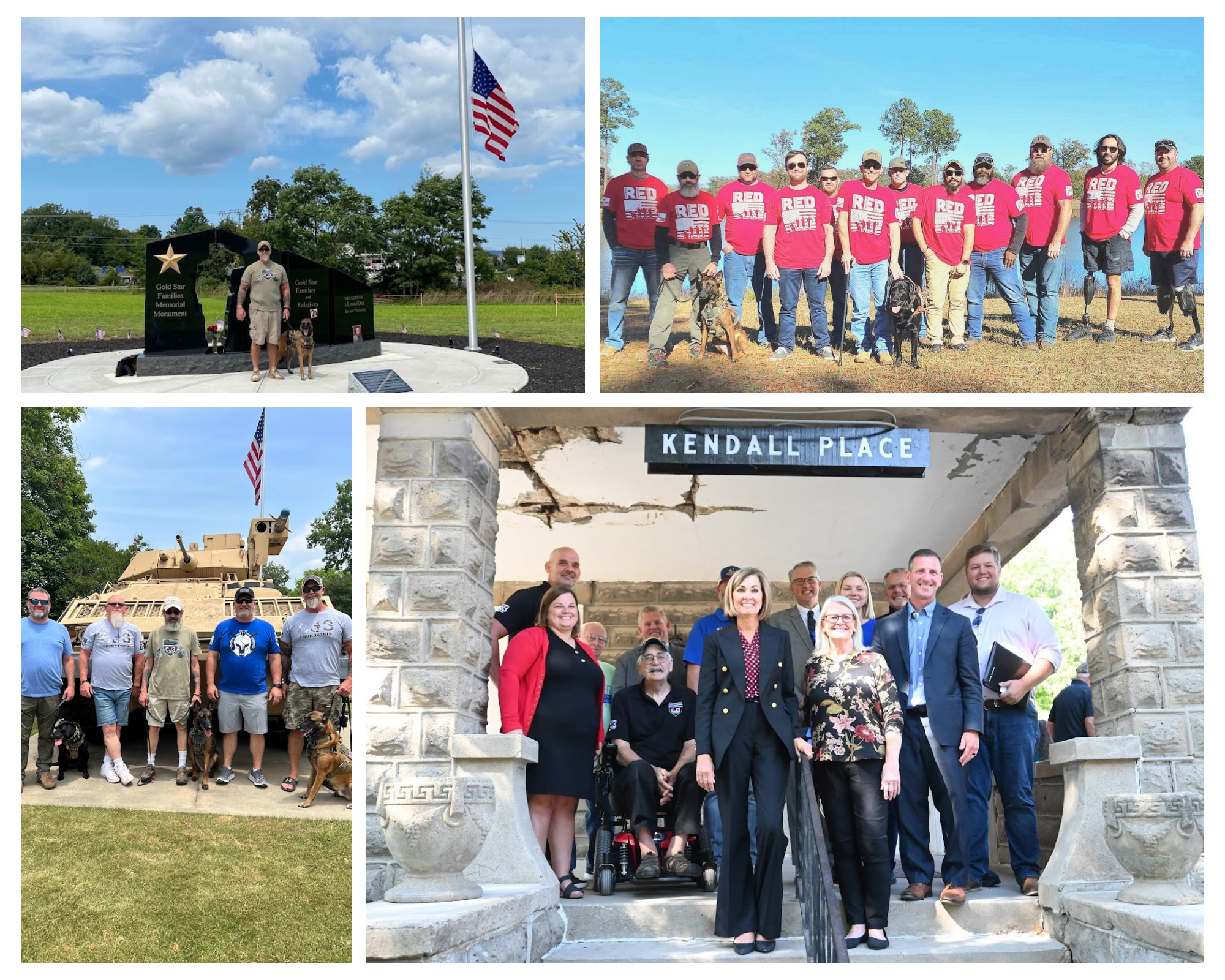
The CJ3 Foundation, founded by veteran Eric D. Thomas, is a 501(c)(3) nonprofit public charity dedicated to “Serving Our Nation’s Wounded Heroes.” CJ3 provides vital support, services, and advocacy for wounded and disabled U.S. Military Service Members, Veterans, Law Enforcement Officers, Firefighters, and Emergency/First Responders. Their mission is to help America’s heroes find the means and opportunities to holistically improve their quality of life and reconnect with the communities they so selflessly served.
Through their four primary initiatives—Advocacy, Mental Health & Wellness, Service Dogs, and Field Ops—CJ3 creates pathways for healing, restoration, and purpose. Whether it is providing trained service dogs, organizing outdoor activities that promote camaraderie and resilience, or guiding policy changes to support the needs of wounded heroes, every aspect of their work is driven by compassion and service.
At the heart of CJ3’s Mental Health & Wellness Initiative is a commitment to integrative care, and neurofeedback plays a pivotal role. CJ3 incorporates Infra-Low Frequency (ILF) Neurofeedback to help veterans and first responders recover from challenges related to their experiences in the field while supporting overall wellbeing. The Foundation also uses Alpha-Theta therapy, which supports relaxation and helps participants process intense experiences and memories. This program is operated under the guidance of Dr. Rebecca A. Thomas, PsyD, a licensed clinical psychologist and partner to the Foundation.
The Foundation has been using BEE Medic neurofeedback equipment since 2005. The team’s journey began in Norfolk, Virginia, when Lanny Fly, a pioneer in the field of neurofeedback, invited the Othmers to provide training, laying the foundation for their long-standing practice. Today, CJ3 operates two offices with Cygnet systems and maintains a full-time practice in rural Iowa, offering a variety of adjunctive therapies, with neurofeedback remaining the backbone of their success.
CJ3 also offers an all-expenses-paid five-day intensive retreat for up to four participants at a time. Guests stay in a restored historic Iowa home that once belonged to the 23rd Governor of Iowa. These immersive experiences combine neurofeedback with a range of holistic modalities, including chiropractic support, detoxification, and trauma-informed therapy, providing participants with tools to carry forward into their daily lives. Family-style meals foster connection, and participants progress through rounds of treatments to support their needs, including psychological evaluations focused on emotional wellbeing.
The impact of this work is profound. One veteran shared that after years of difficulty in crowded environments, he was able to travel home from his CJ3 intensive calm and confident. Another veteran’s wife expressed tearful gratitude, saying, “What have you done to my husband?" She went on to say that after many years of wanting to isolate, they were sitting outside at a restaurant and he was socializing with other folks.
For many participants, neurofeedback becomes a turning point when other approaches have fallen short. Many arrive stating, “I have a rucksack full of medication, but I still feel awful,” but leave with hope, connection, and lasting change. Beyond individual outcomes, the CJ3 Foundation helps restore what many veterans miss most—the brotherhood and sense of belonging that comes from shared experience and mutual support. Some participants are paired with service dogs that provide long-term assistance, extending the benefits of the Foundation’s programs well beyond the retreat.
Through the integration of neurofeedback and other holistic therapies, the CJ3 Foundation continues to honor its mission of helping America’s wounded heroes reclaim their strength, reconnect with their purpose, and rediscover joy in everyday life.
About CJ3 Foundation
The CJ3 Foundation’s commitment to healing our nation’s heroes is both personal and powerful providing life-changing programs that embody CJ3’s values: Combined, Joint, and Operations—a reflection of unity, teamwork, and coordinated care for those who have given so much.
Learn More: cj3foundation.org
Neurofeedback in physiotherapy: Bridging the gap between brain and body
In September 2025, the journal *pt – Zeitschrift für Physiotherapeuten* published an interview with Charlotte Wolf, physiotherapist, naturopath, and certified user of ILF Neurofeedback with BEE Medic devices. In the interview, she discusses how Neurofeedback can be meaningfully integrated into physiotherapy and the potential it offers for both patients and practitioners. In this blog post, we share the most important takeaways from the interview.
What is Neurofeedback?
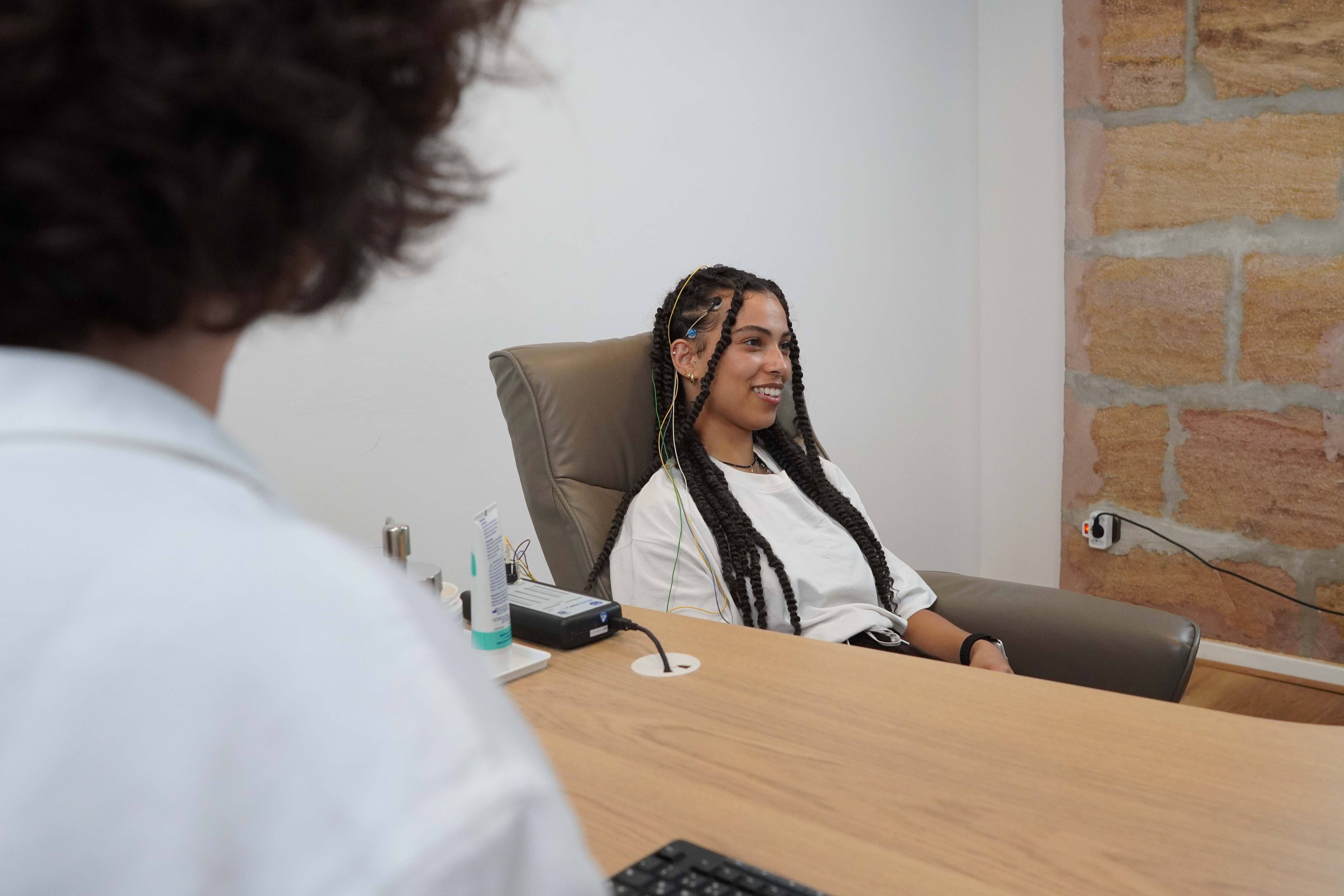
Neurofeedback is a scientifically established form of brain training. It measures brain activity through electrodes and provides real-time feedback via subtle visual and auditory changes within a film, game, or animation. The brain starts to interact with the system and learns through the feedback to change its own activity. This process enhances self-regulation, which in turn can improve focus, stress tolerance, sleep quality, pain perception, and many other aspects of daily functioning as well as medical indications.
When traditional physiotherapy reaches its limits
Manual and movement-based therapies are powerful tools but sometimes they are not enough on their own to achieve lasting relief from pain, tension, or neurological symptoms. Often, the underlying cause lies deeper, within the brain itself. That’s where Neurofeedback comes in. By training the brain’s ability to self-regulate, it supports and strengthens the physical work done in physiotherapy.
Why Neurofeedback and Physiotherapy are a powerful combination
In her daily practice, Charlotte Wolf observes the benefits first-hand:
“I use Neurofeedback as a supportive method when I notice that dysregulation in the brain is hindering progress or contributing to the symptoms.”
For patients dealing with muscle tension, migraines, chronic pain, or neurological conditions such as traumatic brain injury, stroke, Parkinson’s disease, CRPS (Morbus Sudeck), or fibromyalgia, the synergy between Neurofeedback and physiotherapy can make all the difference. While physiotherapy targets the body directly, Neurofeedback helps the central nervous system regain flexibility and balance — the foundation for sustainable physical change.
How the two methods work together
In Charlotte Wolf’s practice, Neurofeedback is incorporated in two main ways:
• As separate sessions during the week: one for physiotherapy, one for Neurofeedback.
• As a combined session: physical therapy followed by Neurofeedback (or vice versa), lasting about 90 minutes in total.
Patients often report improved relaxation, reduced pain, and heightened body awareness as a result.
Beyond therapy: Training for Peak Performance
Neurofeedback isn’t just for rehabilitation or symptom management. It’s also increasingly used in the field of performance optimization. Here, the focus shifts from treating dysfunction to enhancing mental clarity, concentration, and resilience under stress.
No Quick Fix – But Sustainable Change
Wolf emphasizes that Neurofeedback isn’t a substitute for other forms of therapy, nor is it a quick fix. It’s a learning process that requires time and consistency. The brain can’t simply be reprogrammed, it learns to regulate itself through repeated feedback and practice.
“Our brain isn’t a machine where you can just tighten a screw. But through regular training, it can find its way back to balance.”
Conclusion
Neurofeedback opens up a new dimension in physiotherapy. By extending physical treatment to include the neural level, it provides an effective approach for chronic and stress-related conditions, as well as for prevention and performance enhancement. For many patients, this combination paves the way toward greater well-being, functionality, and mental strength.
“STUDY UPDATE” – HERE YOU WILL FIND A SELECTION OF CURRENT NEUROFEEDBACK STUDIES
ILF neurofeedback mechanisms and neurophysiology
Dobrushina, O. R., Dobrynina, L.A., Arina, G.A., Kremneva, E., Novikova, E.S., Gubanova. M.V., Pechenkova, E.V., Suslina, A.D., Aristova, V.V., Trubitsyna, V.V. & Krotenkova, M.V. (2022). Enhancing Brain Connectivity With Infra-Low Frequency Neurofeedback During Aging: A Pilot Study. Front. Hum. Neurosci. 16:891547. doi: 10.3389/fnhum.2022.891547
Fleischman, M. J. (2022). Documenting the Impact of Infra Low Frequency Neurofeedback on Underserved Populations with Complex Clinical Presentations. Front. Hum. Neurosci.16:921491. doi: 10.3389/fnhum.2022.921491
Kropotov J.D. (2022). The enigma of infra-slow fluctuations in the human EEG. Front. Hum. Neurosci. 16:928410. doi: 10.3389/fnhum.2022.928410
Seuß S, Riederle J. (2021). Erfahrungen mit Neurofeedback in der therapeutischen Praxis.Praxis Ergotherapie; 2:75–81.
Dobrushina, O., Vlasova, R.M., Rumshiskaya, A.D., Litvionova, L.D., Mershina, E.A., Sinitsyn, V.E. and Pechenkova, E.V. (2020). Modulation of Intrinsic Brain Connectivity by
Implicit Electroencephalographic Neurofeedback. Frontiers in Human Neuroscience, 14: 192.
Grin-Yatsenko, V., Kara, O., Evdokimov, S., Gregory, M., Othmer, S. & Kropotov, J. (2020). Infra-Low Frequency Neurofeedback Modulates Infra-Slow Oscillations of Brain Potentials: A Controlled Study. Journal of Biomedical Engineering and Research, 4, 1-11.
Dobrushina, O., Pechenkova, E.V., Vlasova, R., Rumshiskaya, A.D., Litvinova, L., Mershina, E. and Sinitsyn, V. (2018). Exploring the brain contour of implicit infra-low frequency EEG neurofeedback: a resting state fMRI study. Int. J. Psychophysiol. 131, S76 (2018).
Grin-Yatsenko, V. A., Ponomarev, V. A., Kara, O., Wandernoth, B., Gregory, M., Ilyukhina, V. A., & Kropotov, J. D. (2018). Effect of Infra-Low Frequency Neurofeedback on Infra-Slow EEG Fluctuations. In Biofeedback. IntechOpen
Arina, G., Osina, E., Dobrushina, O. & Aziatskaya, G. (2017). Sham-neurofeedback as an intervention: Placebo or nocebo? European Psychiatry, 41, 253-254.
Altan, S., Berberoglu, B., Canan, S. & Dane, S. (2016). Effects of neurofeedback therapy in healthy young subjects. Clin invest Med 39, 27–30.
Dobrushina, O., Vlasova, R., Pechenkova, E.V., Rumshiskaya, A.D., Litvinova, L., Mershina, E.A. and Sinitsyn, V. (2015). The effect of Infra-Low Frequency Neurofeedback on default mode network of the brain. Conference paper at Applied Neuroscience and Social Well being, Moscow. (In Russian language).
Othmer S., Othmer S.F., Kaiser D. & Putman J. (2013). Endogenous Neuromodulation at Infra-Low Frequencies. Seminars in Paediatric Neurology, 20(4), 246-257.
Legarda S., McMahon D., Othmer S. & Othmer SF. (2011). Clinical Neurofeedback: Case Studies, Proposed Mechanism and Implication for Paediatric Neurology Practice. Journal of Child Neurology, 26(8), 1045-1051.
Othmer S., Othmer SF. & Legarda S. (2011). Clinical Neurofeedback: Training Brain
Behavior. Pediatric Neurology and Psychiatry, 2, 67-73.
ILF Neurofeedback in the latest clinical application
Addiction
Corominas-Roso, M., Ibern, I., Capdevila, M., Ramon, R., Roncero, C. & Ramos-Quiroga, J.A. (2020). Benefits of EEG-Neurofeedback on the Modulation of Impulsivity in a Sample of Cocaine and Heroin Long-Term Abstinent Inmates: A Pilot Study. International Journal of Offender Therapy and Comparative Criminology, 64(12), 1275-1298.
ADHD
Ölçüoğlu, R., Kozanoğlu, I., Mıdık, M. & Ates, E. G. (2024). The Impact of Neurofeedback Training on Cognitive Abilities Assessed by the Wechsler Intelligence Scale for Children-Revised in Children with Attention Deficit: A Randomized Single-Blind Sham-Controlled Study. Clin. EEG Neurosci. 55(6), 603-612. doi:10.1177/15500594241279997
Wührer, G. & Kolbe, S. (2024). Klinisches ILF-Neurofeedback mit Kindern und Jugendlichen. Gehirnfunktions-Training bei psychischen Störungsbildern – eine Übersicht mit Anwendungsbeispielen. Forum für Kinder- und Jugendpsychiatrie 4, 62–87. (In German language)
Ströhle, G. (2023). Infra-Low Frequency Training. In: Sidiropoulos, K. (eds). EEG-Neurofeedback bei ADS und ADHS. Springer, Berlin, Heidelberg. doi:10.1007/978-3-662-65726-3_17
Schneider, H., Riederle, J. & Seuss, S. (2021): Therapeutic Effect of Infra-Low Frequency Neurofeedback Training on Children and Adolescents with ADHD. In: Brain-Computer
Interface, Vahid Asadpour ed., IntechOpen Limited, 2021:13, 75-92. doi: 10.5772/intechopen.97938
Prinz, W. (2015): Neurofeedbacktherapie als Spezialtherapieangebot. Psychopraxis. Neuropraxis 18, 180–183. (In German language)
Flatz, T. & Gleußner, M. (2014): Neurofeedbacktherapie bei ADHS und Autismus. Pädiatrie & Pädologie 49, 22–27. (In German language)
Ahlstrand, P. & Grattbeck, M. (2013): Neurofeedback - ett behandlingsalternativ vid ADHD. Specialised Thesis in Clinical Psychology/Neuropsychology. (In Swedish language)
Aging and dementia
Dobrushina, O. R., Dobrynina, L.A., Arina, G.A., Kremneva, E., Novikova, E.S., Gubanova. M.V., Pechenkova, E.V., Suslina, A.D., Aristova, V.V., Trubitsyna, V.V. and rotenkova,
M.V. (2022). Enhancing Brain Connectivity With Infra-Low Frequency Neurofeedback During Aging: A Pilot Study. Front. Hum. Neurosci. 16, 1–12.
Legarda, S.B., Michas-Martin, P. A. & McDermott, D. (2022). Managing Intractable Symptoms of Parkinson's Disease: A Nonsurgical Approach Employing Infralow Frequency Neuromodulation. Front. Hum. Neurosci. 16:894781. doi: 10.3389/fnhum.2022.894781
Anxiety disorder
Wührer, G., Kolbe, S., Bolduan, U., Icking, A., Schneider, H. (2025). Klinisches ILF-Neurofeedback mit Kindern und Jugendlichen. Training bei psychischen Störungsbildern - Studienlage, Anwendungsbeispiele und Kostenerstattung. Forum für Kinder- und Jugendpsychiatrie 1, 42–68. (In German language)
Autism spectrum disorder (ASD)
Saleem, S. & Habib, S. H. (2024). Effect of Infra Low Frequency (ILF) neurofeedback training on EEG in children with autism spectrum disorders. Pakistan J. Med. Sci. 40(7), 1397-1402. Wührer, G. & Kolbe, S. (2024). Klinisches ILF-Neurofeedback mit Kindern und Jugendlichen Gehirnfunktions-Training bei psychischen Störungsbildern – eine Übersicht mit Anwendungsbeispielen. Forum für Kinder- und Jugendpsychiatrie 4, 62–87. (In German language)
Esmaeilzadeh Kanafgourabi S. N., Shabani, M., Mirchi, Z., Aliyari, H. & Mahdavi, P. (2023): The impact of ILF neurofeedback on inhibitory control in high-functioning adolescents with autism spectrum disorder: Preliminary evidence of a randomized controlled trial, Applied Neuropsychology: Child 14(2), 1-19. doi: 10.1080/21622965.2023.2258247
Saleem, S. & Habib, S. H. (2023). Neurofeedback Recuperates Cognitive Functions in Children with Autism Spectrum Disorders (ASD). Journal of Autism and Developmental Disorders 54(8), 1-11. doi: 10.1007/s10803-023-06037-7
Rauter, A., Schneider, H. & Prinz, W. (2022): Effectivity of ILF Neurofeedback on Autism spectrum disorder – a Case Study. Front. Hum. Neurosci. 16, 1-6.
Prinz, W. (2015): Neurofeedbacktherapie als Spezialtherapieangebot. psychopraxis. neuropraxis 18, 180-183. (In German language)
Flatz, T. & Gleußner, M. (2014): Neurofeedbacktherapie bei ADHS und Autismus. Pädiatrie & Pädologie 49, 22–27. (In German language)
Othmer S. & Othmer S.F. (2011): Neurofeedback for the Autism Spectrum. In K. Siri and T. Lyons (Eds.), Cutting-Edge Therapies for Autism (262-267). Skyhorse Publishing.
Brain injury and traumatic brain injury (TBI)
Carlson, J., Webster Ross, G, Tyrrell, C., Fiame, B., Nunokawa, C., Siriwardhana, C.,Schaper, K. (2025). Infra-low frequency neurofeedback impact on post-concussive symptoms of headache, insomnia and attention disorder: Results of a randomized control trial. Explore 21, 103137. doi: 10.1016/j.explore.2025.103137
Annaheim C, Hug K, Stumm C, Messerli M, Simon Y and Hund-Georgiadis M (2022): Neurofeedback in patients with frontal brain lesions: A randomized, controlled double-blind trial. Front. Hum. Neurosci. 16:979723. doi: 10.3389/fnhum.2022.979723
Carlson, J. & Ross, G. (2021): Neurofeedback Impact on Chronic Headache, Sleep and Attention Disorders Experienced by Veterans with Mild Traumatic Brain Injury: A Pilot Study. Biofeedback, 49(1), 2-9.
Chronic diseases
Borchert, N., Eliasson, H., Hamne, G., Hodgson, K., Lyche, T., Mayer-Pelinski, R., Praesto, F., Radu, G., Sandström, U. & Stapleton, P.B. (2023). Learning from Läklabbet: An integrative transdisciplinary eco therapeutic treatment approach designed to promote resource capacity in people recovering from chronic ill health . Open Access Digital rchive, 2023, 1–9.
Depression
Grin-Yatsenko, V. A., & Kropotov, J. D. (2020): Effect of infra-low frequency neurofeedback on the functional state of the brain in healthy and depressed individuals. In H. W. Kirk (Ed.), Restoring the brain: Neurofeedback as an integrative approach to health (2nd ed.). Routledge, pp. 244-255.
Grin-Yatsenko, V. A. et al. (2018): Infra-low frequency neurofeedback in depression: Three case studies. NeuroRegulation 5, 30–42.
Tschiesner, R. (2023). Infra-Low-Frequency Neurofeedback Treatment in Dysthymia : A Case Study. Behav. Sci. (Basel). 13(9), 711. doi: 10.3390/bs13090711.
Eating disorder
Winkeler, A., Winkeler, M. & Imgart, H. (2022): Infra-Low Frequency Neurofeedback in the Treatment of Patients With Chronic Eating Disorder and Comorbid Post-Traumatic Stress Disorder. Front. Hum. Neurosci. 16:890682. doi: 10.3389/fnhum.2022.890682
Leong, S. L., Vanneste, S., Lim, J., Smith, M., Manning, P., & De Ridder, D. (2018): A randomised, double-blind, placebo-controlled parallel trial of closed-loop infraslow brain training in food addiction. Scientific reports, 8(1), 1-9.
Chirita-Emandi, A., & Puiu, M. (2014): Outcomes of neurofeedback training in childhood obesity management: A pilot study. Journal of Alternative and Complementary Medicine, 20(11), 831–837.
Fibromyalgia, multiple sclerosis, concussion
Legarda, S. B., Lahti, C. E., Mcdermott, D. & Michas-martin, A. (2022): Use of Novel Concussion Protocol With Infralow Frequency Neuromodulation Demonstrates Significant Treatment Response in Patients With Persistent Postconcussion Symptoms, a Retrospective Study. Front. Hum. Neurosci. 16:894758. doi: 10.3389/fnhum.2022.894758
Ingvaldsen, S. H. (2019): QEEG and Infra-Low Frequency Neurofeedback Training in Fibromyalgia: A Pilot Study Master’s thesis in Psychology. Norwegian University of Science and Technology, Dept. of Psychology, NTNU. Lamprecht, C. E. (2019): The effect of neurofeedback in post-concussion syndrome. Doctoral dissertation, Stellenbosch University.
Dobrushina, O. R., Varako, N. A., Kovyazina, M. S. & Zinchenko, Y. P. (2016): Combination of Neurofeedback and cognitive training in attention deficit due to multiple sclerosis. Int. J. Psychophysiol. 108, 118.
Insomnia
Orakpo N, Yuan C, Olukitibi O, Burdette J and Arrington K (2022): Does Virtual Reality Feedback at Infra-Low Frequency Improve Centralized Pain With Comorbid Insomnia While Mitigating Risks for Sedative Use Disorder?: A Case Report. Front. Hum. Neurosci. 16:915376. doi: 10.3389/fnhum.2022.915376
Moore, P.T. (2022): Infra-low frequency neurofeedback and insomnia as a model of CNS dysregulation. Front. Hum. Neurosci. 16:959491. doi: 10.3389/fnhum.2022.959491
Migraines and tension headaches
Arina, G.A., Dobrushina, O.R., Shvetsova, E.T., Osina, E.D., Meshkov, G.A., Aziatskaya, G.A., Trofimova, A.K., Efremova, I.N., Martunov, S.E. & Nikolaeva, V.V. (2022). Infra-Low Frequency Neurofeedback in Tension-Type Headache: A Cross-Over Sham-Controlled Study. Front. Hum. Neurosci. 16:891323. doi: 10.3389/fnhum.2022.891323
Legarda, S.B., Michas-Martin, P. A. & McDermott, D. (2022). Remediating Intractable Headache: An Effective Nonpharmacological Approach Employing Infralow Frequency
Neuromodulation. Front. Hum. Neurosci. 16:894856. doi: 10.3389/fnhum.2022.894856
Dobrushina, O., Arina, G., Osina, E. & Aziatskaya, G. (2017): Clinical and psychological confirmation of stabilizing effect of neurofeedback in migraine. European Psychiatry, 41(S1), p253. doi: 10.1016/j.eurpsy.2017.02.045
Peak Performance
Bakhtafrooz, S., Kavyani, M., Farsi, A. & Alboghebeish, S. (2025). The effect of infra low frequency – neurofeedback training on pistol shooting performance and attention in semi-skilled players. Front. Hum. Neurosci. 19:1487737. doi: 10.3389/fnhum.2025.1487737
Othmer, S. F. S. & Othmer, S. F. S. (2011). Performance Enhancement Applications of Neurofeedback. In: Case Studies in Applied Psychophysiology: Neurofeedback and Biofeedback Treatments for Advances in Human Performance, 17–30. doi:10.1002/9781119959984.ch2
Persistent postural-perceptual dizziness
Sasu R (2022). Infra-low frequency neurofeedback in persistent postural-perceptual dizziness. Case report. Front. Hum. Neurosci. 16:959579. doi: 10.3389/fnhum.2022.959579
PTSD
Kirk, H.W. & Dahl, M.G. (2022): Infra Low Frequency Neurofeedback Training for Trauma Recovery: A Case Report. Front. Hum. Neurosci. 16:905823. doi: 10.3389/fnhum.2022.905823
Spreyermann, R. (2022). Case Report : Infra-Low-Frequency Neurofeedback for PTSD : A Therapist`s Perspective. Front. Hum. Neurosci. 16:893830. doi: 10.3389/fnhum.2022.893830
Winkeler, A., Winkeler, M. & Imgart, H. (2022). Infra-Low Frequency Neurofeedback in the Treatment of Patients With Chronic Eating Disorder and Comorbid Post-Traumatic Stress Disorder. Front. Hum. Neurosci. 16:890682, 1–11. doi: 10.3389/fnhum.2022.890682
Gerge, A. (2020). A multifaceted case-vignette integrating neurofeedback and EMDR in the treatment of complex PTSD. European Journal of Trauma & Dissociation, 4(3), 100157.
Dahl, M. G. (2020). Neurofeedback with PTSD and traumatic brain injury. In H. W. Kirk (Ed.), Restoring the brain:Neurofeedback as an integrative approach to health (2nd ed.). New York, NY: Routledge, pp.256-284.
Nilsson, R. M. & Nilsson, V. (2014). Neurofeedback Treatment for Traumatized Refugees - A Pilot Study. Master thesis, Dept. of Psychology, Lund University.
Kelson, C. Y. (2013). The Impact of EEG Biofeedback on Veterans’ Symptoms of Posttraumatic Stress Disorder (PTSD)..The Chicago School of Professional Psychology ProQuest Dissertations & Theses, 2013. 3606174.
Othmer, S., Othmer, S. F. & Legarda, S. B. (2011). Clinical Neurofeedback: Training Brain Behavior. Treat. Strateg. Pediatr. Neurol. Psychiatry 2, 67–73.
Othmer, S. & Othmer, S. F. (2009). Post Traumatic Stress Disorder—The Neurofeedback Remedy. Biofeedback 37, 24–31.
Refractory neurological disorders (epilepsy, cerebral palsy)
Legarda, S. B., McMahon, D., Othmer, S. S. & Othmer, S. S. (2011): Clinical neurofeedback: Case studies, proposed mechanism, and implications for pediatric neurology practice. J. Child Neurol. 26, 1045–1051.
Schmidt, C. & Laugesen, H. (2023). Infra-low frequency neurofeedback training in Dravet syndrome: a case study. Epilepsy Behav. Reports 100606. doi:10.1016/j.ebr.2023.100606
Schizophrenia
Nestoros, J.N. and Vallianatou N.G. (2022). Infra-Low Frequency Neurofeedback rapidly ameliorates schizophrenia symptoms: A case report of the first session. Front. Hum. Neurosci. 16:923695. doi: 10.3389/fnhum.2022.923695
Tinnitus
Güntensperger, D. (2018). Treatment of chronic tinnitus with neurofeedback. (Doctoral Dissertation, University of Zurich). (Attn: The authors have primarily used frequency band NFB training in their studies and are (just) referring to ILF-NFB)
Güntensperger, D., Thüring, C., Meyer, M., Neff, P. Kleinjung, T. (2017). Neurofeedback for Tinnitus Treatment - Review and Current Concepts. Frontiers in Aging Neuroscience, 9,386.(Attn: The authors have primarily used frequency band NFB training in their studies and are (just) referring to ILF-NFB)
Tourette syndrome/tic disorders
Solberg, B. & Solberg, E. (2022). Infra-low frequency neurofeedback in application to Tourette syndrome and other tic disorders: A clinical case series. Front. Hum. Neurosci. 16:891924. doi: 10.3389/fnhum.2022.891924
Virtual Reality NFB in Pain Therapy
Orakpo, N., Yuan, C., Olukitibi, O., Burdette, J. & Arrington, K. (2022). Does Virtual Reality Feedback at Infra-Low Frequency Improve Centralized Pain With Comorbid Insomnia While Mitigating Risks for Sedative Use Disorder? A Case Report. Front. Hum. Neurosci. 16:915376. doi: 10.3389/fnhum.2022.915376.
Orakpo, N., Vieux, U. & Castro-Nunez, C. (2021). Case Report: Virtual Reality Neurofeedback Therapy as a Novel Modality for Sustained Analgesia in Centralized Pain Syndromes. Frontiers in Psychiatry, 12, 418. doi: 10.3389/fpsyt.2021.660105
ILF Neurofeedback Therapy – Practical Experience and Case Reports
Wührer, G., Kolbe, S., Bolduan, U., Icking, A., Schneider, H. (2025). Klinisches ILF-Neurofeedback mit Kindern und Jugendlichen. Training bei psychischen Störungsbildern - Studienlage, Anwendungsbeispiele und Kostenerstattung. Forum für Kinder- und Jugendpsychiatrie 1, 42–68. (In German language)
Wührer, G. & Kolbe, S. (2024). Klinisches ILF-Neurofeedback mit Kindern und Jugendlichen. Gehirnfunktions-Training bei psychischen Störungsbildern – eine Übersicht mit Anwendungsbeispielen. Forum für Kinder- und Jugendpsychiatrie 4, 62–87. (In German language)
Knežević, B. (2024). Neurofeedback Treatment – Application in Speech and Language Therapy, Logopedija, 14(1), 23-31. doi: 10.31299/log.14.1.3 (In Croatian language)
Theis T, Bolduan U, Seuß S, Spallek J, Wandernoth B and Mayer-Pelinski R (2025) ILF-neurofeedback in clinical practice: examining symptom change and performance metrics across diagnostic groups. Front. Hum. Neurosci. 19:1601187. doi: 10.3389/fnhum.2025.1601187
Reviews
Bazzana, F., Finzi, S., Di Fini, G. & Veglia, F. (2022). Infra-Low Frequency Neurofeedback: A Systematic Mixed Studies Review. Front. Hum. Neurosci. 16:920659. doi:10.3389/fnhum.2022.920659
Books and book chapters on the topic of ILF neurofeedback
Haus, K.-M. et al. (2015). Praxisbuch Biofeedback und Neurofeedback. Springer Berlin, Heidelberg. doi:10.1007/978-3-662-59720-0 (In German language)
Kirk, H. W. (2020). Restoring the Brain: Neurofeedback as an Integrative Approach to Health. Second Edition, Routledge, Taylor and Francis Group.
Othmer S. (2019). Protocol Guide for Neurofeedback Clinicians, 7th Edition. EEG Info. ISBN: 0989543277.
Othmer, S. & Othmer, S. F. (2011). Performance Enhancement Applications of Neurofeedback. In Case Studies in Applied Psychophysiology: Neurofeedback and Biofeedback Treatments for Advances in Human Performance 17–30. Wiley-Blackwell. Sidiropoulos, K. (ed.) (2023). EEG-Neurofeedback bei ADS und ADHS. Innovative Behandlung von Kindern, Jugendlichen und Erwachsenen. Springer-Verlag GmbH Deutschland. ISBN: 978-3-662-65725-6. doi: 10.1007/978-3-662-65726-3 (In German language)
Ströhle, G. (2023): Infra-Low Frequency Training. In: Sidiropoulos, K. (ed.) (2023): EEG-Neurofeedback bei ADS und ADHS. Kapitel 17, 237-271. Springer-Verlag GmbH Deutschland. doi: 10.1007/978-3-662-65726-3_17(In German language)
Wiedemann, M. & Segler, K. (2017): Neurofeedback - Wie eine spielerisch leichte Therapie dem Gehirn hilft, Probleme zu überwinden. Kösel, ISBN: 3466346827. (In German language)
Wiedemann, M. & Segler, K. (2024). Neurofeedback - A gentle therapy to help the brain help itself. BoD - Books on Demand. ISBN: 9783758375095.